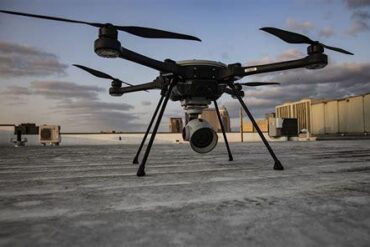
Moldova’s overnight airspace shutdown, triggered by Russian military drones crossing its sovereign territory, has amplified concerns that the war in neighboring Ukraine is increasingly spilling into the air corridors of Eastern Europe. The 70-minute closure, though brief, revealed how even a small unmanned aircraft can bring a nation’s aviation network to a halt and disrupt safety procedures far beyond the battlefield.
Moldovan authorities confirmed that two drones of Russian origin crossed into the country’s airspace late on November 28. National surveillance systems tracked their entry, prompting the Civil Aviation Authority to order a rapid suspension of all operations from 10:43 PM to 11:53 PM. The aircraft continued across Moldovan territory before exiting into Ukraine, where they later entered active conflict zones.
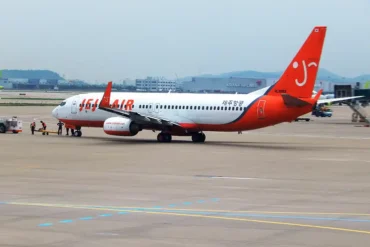
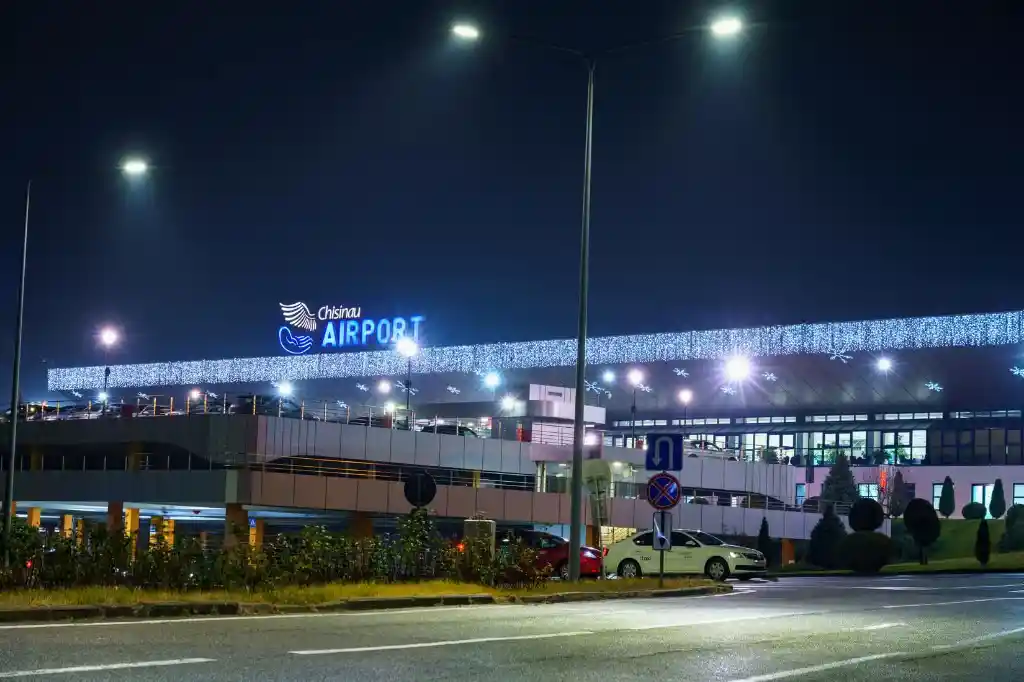
Air traffic controllers immediately rerouted two inbound flights to Romania while one outbound aircraft was held at Chișinău International Airport. The northern sector of Moldovan airspace remained restricted until military teams confirmed both drones had cleared the region. President Maia Sandu condemned the incident as another example of Russia’s disregard for Moldovan sovereignty.
Political Tensions Intensify As Drone Violations Increase
The incursion was not an isolated event. Moldova has reported three similar breaches in the last nine days alone, including cases where drone debris landed on Moldovan soil and triggered diplomatic protests. Earlier this month, officials summoned the Russian ambassador to formally object to what they described as illegal and hazardous overflights that place civilian lives at risk.
Romania, a NATO member bordering both Moldova and Ukraine, has also recorded multiple drone incursions. Fighter aircraft have been scrambled on several occasions to track or intercept inbound objects that drifted from Ukrainian airspace. These events underscore a growing regional challenge: Russia’s long-range drone strikes are testing the boundaries of neutral and allied countries alike.
How Air Traffic Control Manages These Sudden Threats
Moldova’s swift shutdown was a textbook example of how air traffic authorities respond when unidentified or threatening objects enter controlled airspace. Unlike manned aircraft, drones often fly unpredictably, with low-altitude profiles that make them difficult to track and avoid. Even unarmed drones can pose a catastrophic collision hazard.
Military surveillance detected the inbound objects and immediately passed the threat assessment to civilian controllers. Flight paths were frozen, landings diverted, and crews required to hold until authorities could confirm that no debris or impact risk remained. Search-and-rescue teams were also placed on alert in case wreckage fell near populated areas.
Why These Incursions Keep Happening
Russia’s ongoing drone campaign over Ukraine relies heavily on long-range systems capable of traveling hundreds of kilometers. These aircraft are sometimes programmed with indirect routes, lose GPS stability, or are intentionally dispatched through air corridors that skim or violate neighboring airspace. Moldova’s location—wedged between Romania and Ukraine—places it directly in this path.
The country’s military capacity is limited, and its diplomatic posture leans toward the EU, making each violation a sensitive political incident. Increasing drone activity heightens safety concerns for airlines operating in and out of Chișinău, who may soon need to factor in more frequent diversions, additional contingency fuel, and higher operational uncertainty.
Growing Risks For Aviation And Regional Stability
Each new incident compounds pressure on Moldova’s aviation sector, which has worked to modernize operations and attract more carriers. Greater unpredictability could affect passenger confidence, airline planning, and even insurance considerations for operators serving the region.
More broadly, these violations illuminate a creeping danger: modern conflict does not stay neatly within borders. As drones become more ubiquitous tools of warfare, nations near conflict zones may increasingly face sudden airspace restrictions, diplomatic flare-ups, and the constant possibility of debris falling onto civilian territory.
The latest Moldovan airspace shutdown may have lasted just over an hour, but it represents a far larger story—one where unmanned aircraft are redefining regional security, testing national responses, and forcing governments to prepare for threats that can materialize without warning.