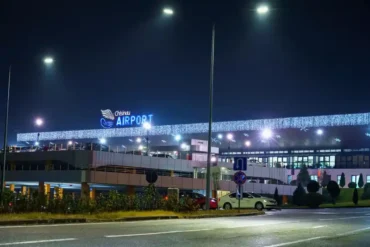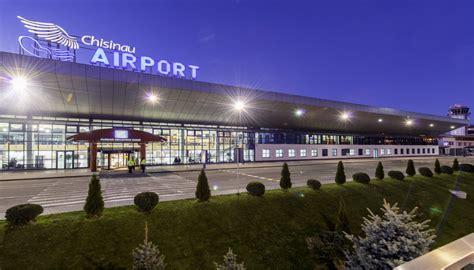
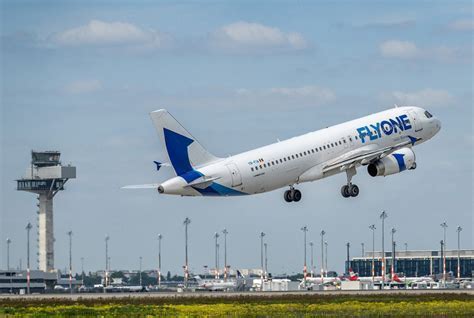
Located 13 kilometers southeast of central Chișinău, Chișinău International Airport (IATA: RMO, ICAO: LUKK) stands as the primary air gateway to the Republic of Moldova. Positioned at an elevation of 122 meters, this international hub plays a vital role not only in connecting Moldova to Europe and the Middle East but also in shaping the region’s modern aviation landscape. The airport is operated by Chișinău International Airport Company and functions as a strategic hub for FlyOne, HiSky, SkyUp, and Wizz Air.
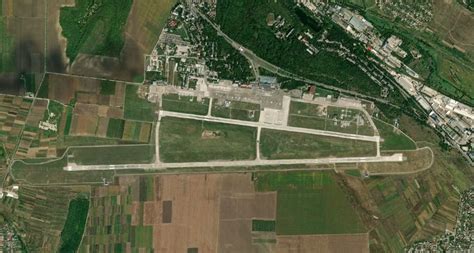
As of 2024, the airport handled a substantial 4.14 million passengers and oversaw 33,251 aircraft movements, marking a robust recovery and expansion trajectory post-pandemic. With two concrete runways—Runway 08/26 at 3,590 meters and Runway 09/27 at 2,383 meters—the infrastructure supports both long-haul and regional operations with significant efficiency.
Historical Development: From Dust to Runways
The story of Chișinău International Airport traces back to June 1926, when the first scheduled flights by CFRNA laid the foundation for Moldova’s aviation era. During the Soviet period, a major step came in the 1970s, with the construction of the original main terminal designed to accommodate 1.2 million passengers annually.
Its journey into international aviation began in May 1995, when the airport officially gained international status, prompting widespread modernization. The most transformative milestone came in 2002, with the unveiling of a 4,270 m² terminal annex, installation of modern navigational systems, and expansion that elevated annual passenger handling to 5.4 million. This renovation brought the airport in line with European aviation standards and prepared it for increasing passenger demand.
However, the strategic location of Chișinău International Airport has occasionally placed it in the path of geopolitical tensions. Notably, in February 2022, following the Russian invasion of Ukraine, Moldovan airspace was shut down, forcing a temporary suspension of operations. A partial reopening in March 2022 allowed limited traffic, but challenges persisted—Wizz Air suspended services in March 2023, citing regional security concerns, though negotiations with Ryanair hinted at renewed interest from major carriers.
Passenger Experience and Terminal Facilities
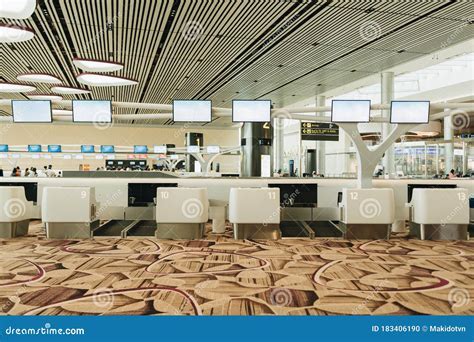
Chișinău International Airport offers a well-rounded blend of modern amenities and strategic design. In its check-in hall, ten functional check-in desks and five departure gates (as of 2009) ensure manageable throughput even during peak hours. VIP and business travelers benefit from a dedicated VIP/CIP terminal, offering privacy, convenience, and accelerated customs clearance.
Since 2006, a public visitor terrace allows non-travelers to observe airport operations, a rarity among regional airports. Significant layout improvements, including the restructuring of the check-in hall and customs zones, were introduced post-2006. These enhancements, coupled with planned runway, taxiway, and apron upgrades (backed by a €19 million loan), indicate Moldova’s commitment to long-term aviation infrastructure resilience.
A second runway project, initiated in early 2017, advanced the airport’s operational efficiency. The shorter Runway 09/27 became operational in September 2018, enhancing flexibility for simultaneous arrivals and departures, as well as providing contingency capacity for weather or maintenance scenarios.
Airlines and Flight Connections: Moldova in Motion
Chișinău International Airport maintains a growing portfolio of scheduled and charter carriers, connecting Moldova to both Western and Eastern Europe, as well as the Middle East. Key international airlines include:
- Aegean Airlines (Athens)
- Air Baltic (Riga)
- Austrian Airlines (Vienna)
- FlyOne (covering multiple EU cities, Tel Aviv, and Dubai)
- HiSky (a Moldovan low-cost carrier)
- SkyUp (Ukraine-based)
- Turkish Airlines (Istanbul)
- Wizz Air (low-cost European carrier)
By June 2024, the airport had established strong weekly frequency for several critical destinations. Leading the charge is Istanbul with 35 weekly flights, followed by Bucharest (26), Antalya (22), Tel Aviv (17), and London Luton (14). This strategic network underlines the airport’s role as an increasingly relevant regional transit point.
Passenger Growth and Statistical Momentum
Chișinău International Airport has experienced impressive traffic growth over the past four years. From a modest 900,731 passengers in 2020, it reached a record 4,142,418 in 2024. This expansion signals not only pandemic recovery but also growing international interest in Moldova as a business and tourism destination.
In parallel, the airport’s annual aircraft movements exceeded 33,000 operations, reflecting consistent demand and heightened airline confidence. This momentum supports ongoing infrastructure investment and provides the foundation for future route expansion.
Aviation Authority and Strategic Governance
An integral component of airport operations is the Moldovan Civil Aviation Authority (CAA), which is headquartered directly within the airport grounds. This close proximity facilitates real-time regulatory oversight, enhances communication between operators and regulators, and ensures seamless alignment with evolving European Union aviation protocols.
The presence of the CAA on-site is symbolic of Moldova’s ambition to integrate its aviation policies with EU safety, security, and environmental norms, especially as part of its broader alignment with European institutions.
Ground Transportation: Seamless City Access
Accessibility is one of the core strengths of Chișinău International Airport. Located just 13 kilometers from downtown, passengers benefit from frequent bus and trolleybus services that operate efficiently across most hours. The public transport network connects directly to major city nodes, offering a cost-effective and environmentally conscious travel option.
Taxi services and private car hire options are also readily available, with dedicated pick-up zones outside the terminal. Plans to further integrate digital ticketing systems and app-based rideshare options reflect a growing responsiveness to tech-savvy travelers.

Notable Incidents and Safety Record
While Chișinău International Airport maintains a strong safety culture, it has encountered a few tragic incidents in its operational history. In 1970, an Aeroflot Antonov An‑10A crashed shortly after takeoff, resulting in 11 fatalities. Another notable accident occurred in 2008, when a Kata Air Transport An‑32 cargo plane crashed during landing, leading to the deaths of eight crew members.
In June 2023, a rare but significant security breach unfolded when an expelled foreign passenger initiated an armed attack inside the airport terminal, tragically killing two security personnel. The incident prompted a review of airport security protocols, and new scanning systems, behavioral analysis software, and response training have since been implemented.
Cultural Elements and Architectural Details
Chișinău International Airport also embodies Moldovan artistic identity. A striking sculpture titled “Crew” by artist Veaceslav Jiglitski, installed in 2019 within the check-in hall, symbolizes unity and resilience among aviation professionals. Outside the terminal, a retired Tupolev Tu‑134 airliner now serves as a monument, honoring Soviet-era aviation while drawing nostalgic interest from visiting enthusiasts.
These features contribute to the airport’s unique identity—blending functional design with artistic expression—and reflect Moldova’s broader cultural fusion of tradition and modernity.

Future Outlook and Strategic Development
Looking forward, Chișinău International Airport is positioned to evolve into a key Eastern European aviation hub. Continued investment in runway and terminal enhancements, expansion of route networks, and safety upgrades reinforce Moldova’s commitment to future-proofing its aviation infrastructure.
With the rise of low-cost carriers and renewed talks with Ryanair, the airport is likely to witness greater competition, lower fares, and increased passenger flow. Additionally, strategic cooperation with European regulatory bodies and infrastructure lenders will further align Moldova with the EU Single European Sky framework.
As air travel in the region rebounds, Chișinău International Airport will remain central to Moldova’s economic aspirations, serving as a gateway for commerce, tourism, and international collaboration.