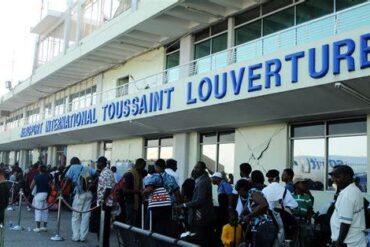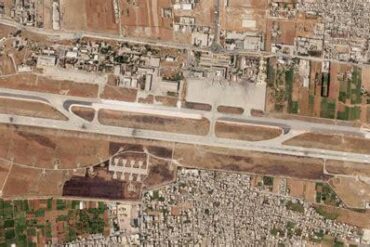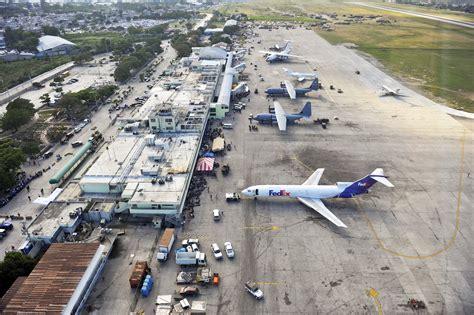
Located in Tabarre, a northern commune of Port-au-Prince, Toussaint Louverture International Airport (IATA: PAP, ICAO: MTPP) stands as Haiti’s primary air transit hub, and its busiest airport. At an elevation of 109 feet above sea level, the airport operates with a single 3,040-meter (9,974 ft) asphalt runway (designated 10/28), strategically positioned at 18°34′31″N 72°17′42″W. It serves as a critical base for Sunrise Airways, linking Haiti to destinations across the Caribbean and beyond. Commonly known by locals as the “Maïs-Gâté airport”, this airfield has seen decades of evolution, turbulence, and resilience.
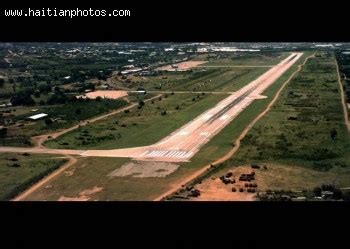
A Legacy Etched in Aviation History
The origins of aviation in Haiti trace back to 1919, when the United States Marine Corps established the precursor to modern aviation infrastructure with Bowen Field, used primarily for military reconnaissance missions. This field, expanded in 1942 to support Douglas O-38 aircraft, became an operational center for the Haiti Air Corps, monitoring regional activity during World War II. Bowen Field later transitioned into a modest civilian airport, offering mail services by 1943 and passenger flights a year later.
By 1961, the newly formed Compagnie haïtienne de transports aériens succeeded earlier operations, enhancing connectivity for the island. The historic Bowen Field was finally decommissioned after 1994, with the land now repurposed for humanitarian and sporting facilities, including a Centre Sportif and a camp for internally displaced persons. Its former runway now forms part of Avenue Haile Selassie.
Modernization and Renaming Through Political Shifts
A major leap forward occurred in 1965, when Haiti opened a more advanced facility with the support of U.S. funding and Haitian public contributions, naming it François Duvalier International Airport after the then-president, known as “Papa Doc.” Following the fall of his son, Jean-Claude Duvalier, in 1986, the airport was renamed Port-au-Prince International Airport. It received its current name in 2003, honoring Toussaint Louverture, the revered leader of the Haitian Revolution.
Natural Disasters and Political Unrest
The 2010 Haiti earthquake brought catastrophic damage to the airport, disrupting its operations and damaging infrastructure. In a significant recovery milestone, the repaired arrivals terminal was inaugurated by President Michel Martelly on November 25, 2012.
However, political turmoil once again forced the airport into crisis mode. Following the assassination of President Jovenel Moïse on July 7, 2021, the facility was shut down, with inbound flights redirected to origin cities. The airport faced further turmoil during the March 2024 gang-led jailbreak, which directly targeted the airport’s perimeter. Consequently, acting Prime Minister Ariel Henry was stranded abroad. Authorities swiftly responded by nationalizing land, demolishing 350 buildings to enhance perimeter security.
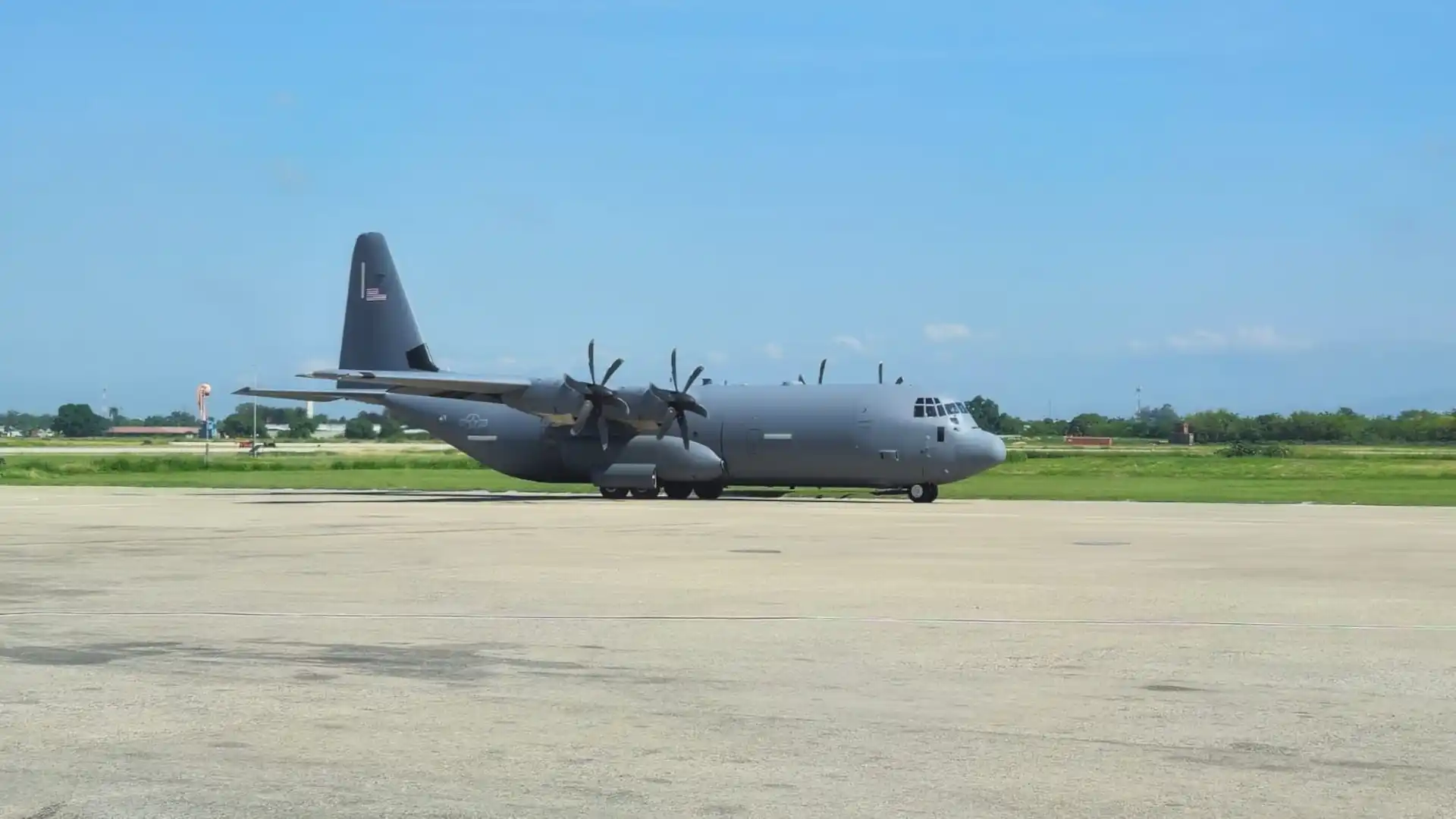
Between April 23 and mid-May 2024, the U.S. military began airlifting over 500 tons of material—primarily supplies and equipment for the Haitian National Police—into the airport via cargo planes. Civilian flights resumed cautiously on May 20, 2024, led by Sunrise Airways and Amerijet, with restored routes to Miami.
Terminal and Passenger Facilities
Toussaint Louverture International features a modern two-story concrete-and-glass terminal that hosts international traffic. On the upper level, travelers find lounges and retail outlets, while the lower level accommodates check-in counters, boarding gates, and immigration control. A separate facility, the Guy Malary Terminal, named after a former justice minister, handles domestic flights. Though modest by international standards, the terminal includes three jet bridges, and its ramp area can park up to 12 aircraft simultaneously. Most boardings still require mobile stairways, adding to the airport’s logistical challenges during peak operations.
Ongoing Expansion Projects
To address chronic taxiway congestion, a new taxiway began construction in June 2016, designed to prevent aircraft from using the active runway for positioning. This upgrade, awarded to the China National Automation Control System Corporation, is vital to increasing air traffic capacity. While delayed, this initiative remains central to Haiti’s long-term aviation goals, offering hope for streamlined airport operations amid growing demands.
Passenger and Cargo Airlines
Before the 2024 suspension, Toussaint Louverture International hosted a variety of international and regional carriers. Regularly scheduled services included:
- Air France and Air Caraïbes from France
- Air Transat from Montréal-Trudeau
- American Airlines, JetBlue, and Spirit from the United States
- InterCaribbean Airways and Caicos Express from Providenciales
- Sky High from Santo Domingo–Las Américas
- Winair from St. Maarten and Curaçao
- Sunrise Airways, the Haitian flagship, offering extensive Caribbean routes including Cap-Haïtien, Les Cayes, Jérémie, Curaçao, Havana, and Pointe-à-Pitre
For cargo, Amerijet International and IBC Airways maintained key freight routes to Miami, a vital lifeline for both commerce and humanitarian relief.

Access and Ground Transport
Travelers can access the airport via National Bus Route 1 or by private car, with parking facilities available adjacent to the main terminal. Despite frequent congestion and security concerns in the capital, the airport remains relatively accessible by local standards.
Notable Accidents and Security Incidents
The airport’s complex history includes several tragic and dramatic aviation incidents:
- 8 September 1974: A Curtiss C-46 Commando (TAISA) crashed into a mountain, killing all four onboard.
- 3 March 1980: A Learjet crashed near the airport, killing three.
- 12 July 1980: A Douglas C-47, allegedly used for drug smuggling, crashed on approach, killing three.
- 15 September 1980: A DC-6 ditched into the ocean due to engine failure; all four occupants died.
- 7 December 1995: A Beechcraft 1900D crashed into a mountain, killing 20—all were undocumented immigrants en route to Guadeloupe.
- 12 February 1996: A GAF Nomad operated by Haiti Express crashed after takeoff, killing 10.
- 31 August & 11 September 2007: Two Caribintair Cessna Grand Caravans crashed near the airport in separate incidents; no fatalities were recorded.
- 26 May 2013: A Brazilian Air Force KC-137 skidded off the runway during takeoff. It carried 121 soldiers from MINUSTAH; no injuries occurred.
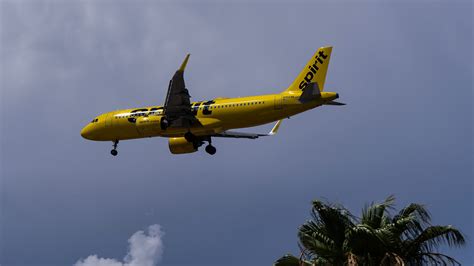
- 11 November 2024: A Spirit Airlines A320neo was fired upon by gang elements, sustaining damage and diverting safely to Cibao International Airport in the Dominican Republic. Minor injuries were reported among crew. The FAA immediately suspended all U.S. flights to Haitian airspace for 30 days.
A Symbol of Haitian Fortitude and Future Ambition
Despite geopolitical instability, natural disasters, and violent unrest, Toussaint Louverture International Airport endures as a vital connector for Haiti. It reflects the country’s unbreakable spirit, a crossroads of historical legacy and modern necessity. As global and regional partnerships evolve, and infrastructure gradually improves, the airport may yet fulfill its promise as a gateway to Caribbean prosperity and resilience.