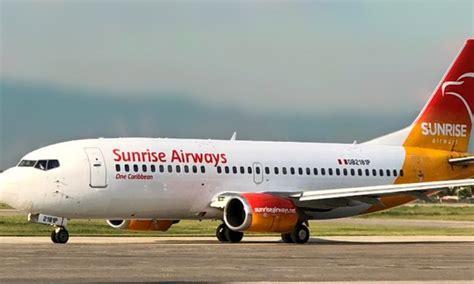
Founded in 2010, Sunrise Airways has emerged as a key player in regional Caribbean aviation, headquartered in Port-au-Prince, Haiti. Operating since 2012, the airline was established with a mission to bridge the Caribbean’s fragmented airspace, especially for underserved and strategically significant routes. Under the leadership of President Philippe Bayard, Sunrise Airways has not only positioned itself as Haiti’s flagship airline but is also expanding its footprint across ten destinations with a growing fleet and key strategic partnerships.
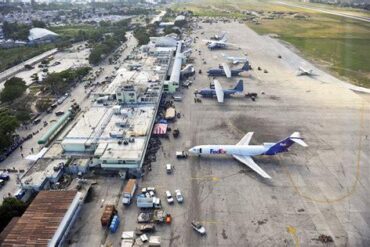
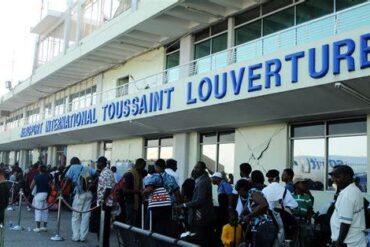
The airline’s operational hub at Toussaint Louverture International Airport in Port-au-Prince plays a pivotal role in its domestic and international connectivity. Sunrise has also designated V.C. Bird International Airport in Antigua as a secondary hub to catalyze its expansion into the Eastern Caribbean, a decision that reflects its strategic commitment to broader regional integration.
Strategic Growth and Destination Network
By 2024, Sunrise Airways had cemented its presence in five Caribbean countries and was actively expanding to four more destinations. Its current scheduled services connect passengers between:
- Haiti (Port-au-Prince, Cap-Haïtien, Jérémie, Les Cayes)
- Cuba (Havana, Santiago de Cuba)
- Dominican Republic (Santo Domingo: Las Américas and La Isabela Airports)
- Panama (Panama City’s Tocumen International Airport)
- Guadeloupe (Pointe-à-Pitre)
Recent route announcements in 2024 introduced new destinations in Dominica (Roseau), St. Kitts and Nevis (Basseterre), St. Lucia (Castries), and St. Maarten (Philipsburg). These strategic additions signify a broader Eastern Caribbean focus, facilitated by its base in Antigua.
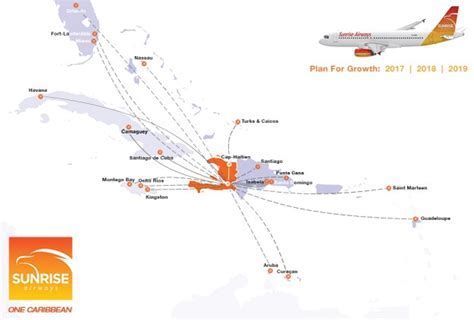
This regional strategy not only enhances intra-Caribbean mobility but also opens new economic and tourism channels between Haiti and its neighbors—fostering bilateral relations, business travel, and family reunification for the large Haitian diaspora.
Fleet Composition and Operational Capabilities
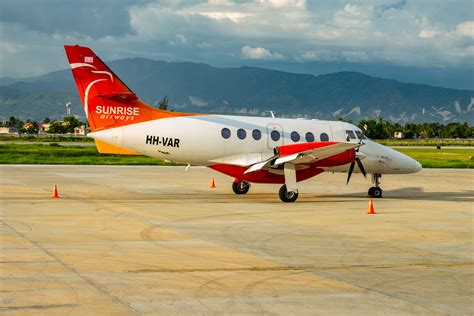
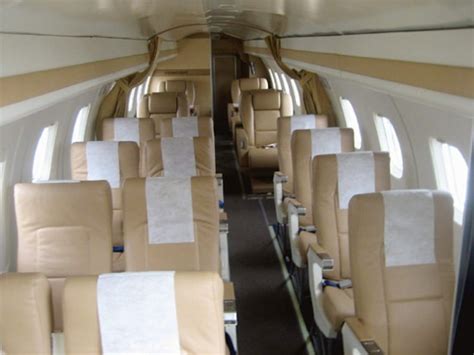
Sunrise Airways maintains a fleet of ten aircraft tailored for short-haul and medium-haul regional travel. The current fleet includes:
- 5 Embraer EMB 120ER Brasilia (30 passengers) – Leased from Sahara African Aviation
- 1 Embraer ERJ-145 (50 passengers) – Leased from Sahara African Aviation
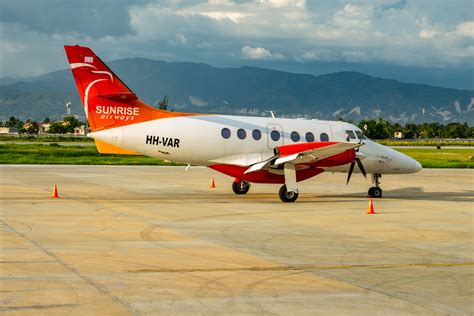
- 2 British Aerospace Jetstream 32 (19 passengers) – Leased via Sunrise Dominicana
- 1 British Aerospace Jetstream 32 – Owned by Sunrise Airways
- 1 Cessna Caravan 208 (9 passengers) – Owned
- 1 ATR 72-500 – Specialized for cargo operations (5000 kg payload)
These aircraft are ideal for the challenging terrains and shorter runways across the region. They offer operational flexibility while keeping maintenance and fuel costs economical. Notably, while the airline briefly operated a Boeing 737 starting in 2017, the aircraft was later removed from service, reflecting a return to a more agile, prop-based regional fleet.
Codeshare and Interline Agreements Enhancing Global Connectivity
A key differentiator in Sunrise Airways’ growth model is its strategic airline partnerships. It has secured a codeshare agreement with Cubana de Aviación, allowing seamless travel between Haiti and Cuba. In addition, Sunrise maintains interline agreements with Hahn Air and Air Caraïbes, giving it access to a broader distribution network and enabling passengers to book Sunrise flights through global reservation systems with ease.
These agreements enable multi-leg international bookings and support greater visibility in global GDS platforms. They are particularly significant for Haiti, a country that faces persistent travel limitations and infrastructural challenges, providing the national airline with much-needed logistical and commercial support.
A Business Model Rooted in Regional Integration and Service Access
Sunrise Airways operates on a hybrid business model that integrates scheduled passenger service with charter flights, enabling flexible resource utilization and seasonal route adjustments. This model has proven resilient amid regional disruptions such as hurricanes, political unrest, and airport closures—common in Caribbean aviation.
The airline’s emphasis on underserved domestic markets like Jérémie and Les Cayes demonstrates its commitment to national unity and decentralization. These routes, often ignored by larger carriers, have become lifelines for local communities, facilitating not only travel but also critical shipments of supplies and medicine.

Antigua: A Bold Move to Expand Influence in the Eastern Caribbean
In a transformative move, Sunrise Airways established a secondary hub in Antigua, marking its serious entry into the Eastern Caribbean corridor. The decision aligns with broader efforts to consolidate intra-regional routes and fill the void left by shrinking regional airlines.
From Antigua, Sunrise has launched new connections to St. Maarten, Dominica, St. Lucia, and St. Kitts and Nevis. This expansion is expected to re-balance the Caribbean’s historically north-south-focused air network into a more east-west-inclusive structure. By doing so, Sunrise not only taps into new tourism markets but also diversifies its route portfolio amid competitive pressures from other carriers like interCaribbean Airways and Caribbean Airlines.

Challenges and Future Trajectory
Despite its successes, Sunrise Airways operates in a highly challenging environment. Haiti’s political instability, frequent fuel shortages, and limited aviation infrastructure create operational uncertainties. Moreover, the Caribbean’s regulatory complexity and small-scale markets necessitate high adaptability and strategic vision.
Nevertheless, the airline’s resilience has been notable. The addition of the ATR 72-500 for cargo transport signals Sunrise’s intent to tap into the Caribbean’s growing e-commerce logistics and humanitarian aid sectors. As relief supplies and medical goods become more critical due to climate-related disruptions, having cargo capacity becomes not just a commercial advantage but a social necessity.
Moving forward, Sunrise Airways may consider fleet modernization, including the potential addition of newer-generation turboprops such as the ATR 42-600 or Dash 8 Q400, which offer greater efficiency and better fuel economy. Expansion into territories like Martinique, Barbados, or even Florida could also be on the horizon, contingent on regulatory permissions and infrastructure compatibility.
Conclusion: Sunrise Airways as a Catalyst for Regional Transformation
Sunrise Airways is more than just Haiti’s national airline; it is a symbol of Caribbean regionalism, economic resilience, and connectivity in adversity. Its evolution from a modest domestic operator into a regional carrier with a 10-aircraft fleet and pan-Caribbean vision demonstrates how smart leadership and regional alliances can overcome even the most daunting geopolitical landscapes.
As it strengthens its foothold in the Eastern Caribbean and deepens inter-island connections, Sunrise Airways holds a unique position in shaping the future of Caribbean aviation—an industry long in need of innovation, inclusivity, and sustainability. With calculated expansion, robust partnerships, and an agile fleet strategy, Sunrise Airways is on a trajectory to become the regional connector Haiti and the Caribbean have long needed.