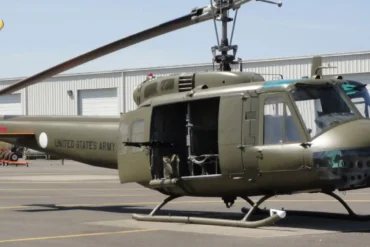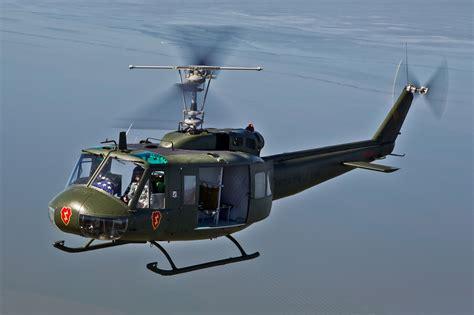
The Vietnam War, one of the longest and most controversial military engagements in American history, produced many iconic images and sounds. Few are as enduring or as symbolic as the rhythmic, thudding rotor blades of the UH-1H Huey helicopter slicing through the humid Southeast Asian air. More than a tool of transport, the Huey became an essential lifeline for U.S. forces in Vietnam. From dust-off medevac missions to combat insertions, it played a role unmatched by any other aircraft of its time.
The experience of flying in a Vietnam-era UH-1H Huey today is more than a simple ride—it’s a visceral plunge into the historical, emotional, and mechanical heart of a bygone battlefield. We had the opportunity to take flight in one of these storied machines and walk—if only briefly—in the boots of the soldiers who lived and died by it.
The Huey: Backbone of the Vietnam War
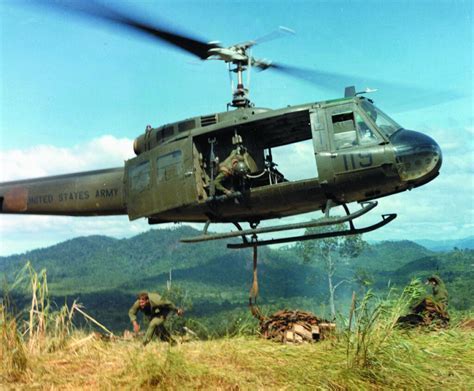
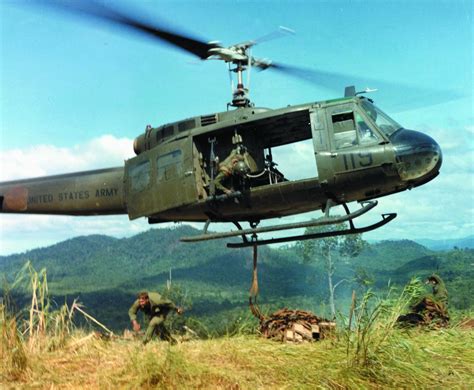
Officially known as the Bell UH-1 Iroquois, but universally called the Huey due to its original designation (HU-1), this helicopter was introduced in the late 1950s. By the height of the Vietnam War, it was the workhorse of American military aviation. Its powerful Lycoming T53 engine, rugged frame, and ability to operate in dense jungle environments made it indispensable.
Hueys were everywhere. They inserted troops into hot LZs, extracted wounded under fire, and provided close air support with mounted M60 machine guns and rocket pods. Pilots often flew multiple missions a day, braving enemy fire, bad weather, and mechanical failures to support boots on the ground. For medics and wounded soldiers, the sound of a Huey’s approach often meant the difference between life and death.
The Living History of a Huey Flight
Our journey began at a reenacted Vietnam-era firebase, complete with sandbag bunkers, a watchtower-mounted M60, and volunteers in period uniforms. The atmosphere set the tone before we ever approached the tarmac. This wasn’t a commercial joyride—it was a time capsule, an immersive experience designed to evoke the intensity of the Vietnam War from the moment you stepped on site.
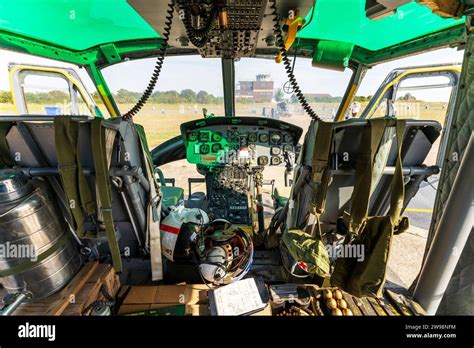
Walking toward the waiting Huey, blades already slicing the air in a thunderous rhythm, was enough to raise goosebumps. As we climbed aboard, every detail—the worn seat webbing, the metal flooring, the smell of aviation fuel—whispered history. Once strapped in and secured with flight gear, the crew gave us a thumbs-up, and we began to lift.
The Sensory Power of Takeoff
There is a physical sensation of history when riding a UH-1H. Unlike modern helicopters with their quieter blades and enclosed cockpits, the Huey delivers an experience that is visceral and raw. The rotor wash, the shake of the frame, and the thunder of the engine create a symphony of sound and motion that places you squarely in the world of the Vietnam War.
As we ascended, the pilot banked left and then right, giving us panoramic views of the landscape below. It was easy to imagine this was not St. Augustine, Florida, but the highlands of Pleiku or the Mekong Delta. The sensation was both thrilling and humbling—thrilling in the mechanical marvel of it all, humbling in the realization that many young soldiers made these flights not for the adventure, but to fight and survive.
Combat Realism and Emotional Weight
Despite being safe and controlled, the flight managed to conjure a surprisingly authentic emotional response. As we descended into a simulated landing zone (LZ), the sudden drop and shift in rotor pitch evoked a fleeting rush of adrenaline. The mind, momentarily suspended from modern comfort, shifted toward empathy. What would it have felt like to land in hostile territory, unsure if the next moment would be your last?
For many Vietnam veterans, the Huey remains a potent symbol—of survival, loss, and brotherhood. Flying in one today can be a form of living tribute, an emotional connection to the soldiers who flew in these same machines under far graver circumstances.
Technical Specifications of the UH-1H Huey
Though the flight is emotional, it also highlights the remarkable engineering behind the UH-1H. Below are key technical details:
- Engine: Lycoming T53-L-13B turboshaft, producing 1,400 shaft horsepower
- Cruising Speed: Approximately 125 mph (201 km/h)
- Range: 315 miles (507 km)
- Service Ceiling: Around 19,390 feet (5,910 meters)
- Capacity: Crew of 4 (pilot, co-pilot, 2 crew chiefs/gunners) and up to 13 troops
- Armament (configurable): M60 machine guns, rocket pods, grenade launchers
This balance of speed, maneuverability, and adaptability made the Huey the ultimate multi-role helicopter of its time.
The Echo of the Rotor Blades
What makes the Huey truly iconic is the distinctive “whomp-whomp” of its two-bladed rotor system. Unlike the more muffled sound of modern multi-blade helicopters, the Huey announces itself with authority. To friend and foe alike, this sound meant something: rescue, reinforcement, retaliation—or escape.
Even decades later, the unmistakable chop-chop still turns heads. For veterans, it’s a portal to the past. For civilians, it’s the sound of history.
The Price of Admission: More Than a Ride
At just $80 for a 10-minute flight, this experience is shockingly affordable considering its historical weight. It’s not simply a helicopter tour—it’s a ticket into the living soul of a wartime era. The opportunity to sit where combat medics, infantry, and pilots once did, and to hear, see, and feel what they felt, is something no museum exhibit can match.
The Role of Reenactment in Preserving Legacy
The Firebase we visited serves not just as a backdrop, but as a powerful educational tool. Period-authentic gear, sandbag emplacements, and reenactors bring history to life in ways textbooks cannot. More than entertainment, these recreations offer immersion, helping younger generations understand what their parents and grandparents endured.
The Huey, parked amid these props and sounds, becomes more than an aircraft. It becomes a symbol, a character in the ongoing narrative of remembrance.
Reflections on a Moment in Time
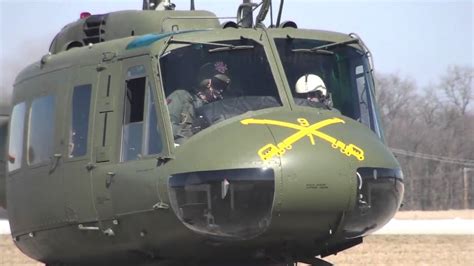
As the flight concluded and we touched down, the moment was unexpectedly poignant. Disembarking, we felt not relief, but a kind of loss—as if we were leaving behind not just the aircraft, but the unspoken stories it carried. These machines, once mass-produced, are now rare, lovingly restored by enthusiasts and veterans’ organizations. Their rotors may slow, but their legacies do not.
Conclusion: More Than Just Metal and Blades
Flying in a Vietnam-era Huey is not merely about aviation—it is about time travel through experience. It is about understanding history not as a series of dates or political strategies, but as the sum of individual lives, moments of courage, and the machines that carried people through them. The UH-1H Huey was not just a tool of war—it was, and remains, a beating heart of memory.
If ever there was an aircraft that could speak, the Huey would tell tales of fear, valor, grief, and survival. In taking to the sky in its humming hold, we honor those stories and the people who lived them.