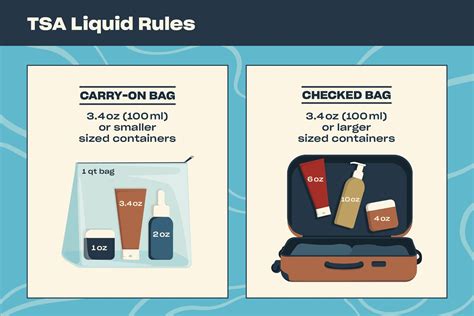
The TSA’s widely recognized 3-1-1 rule is the cornerstone of all liquid regulations for air travel in the United States. According to this rule, passengers may bring:
- Containers of 3.4 ounces (100 milliliters) or less.
- All containers must fit into a single quart-sized, clear, resealable plastic bag.
- Each passenger is permitted only one such bag.
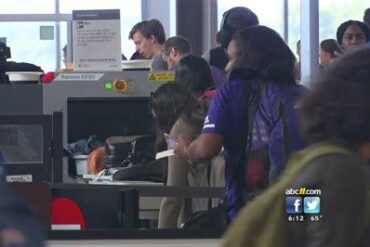
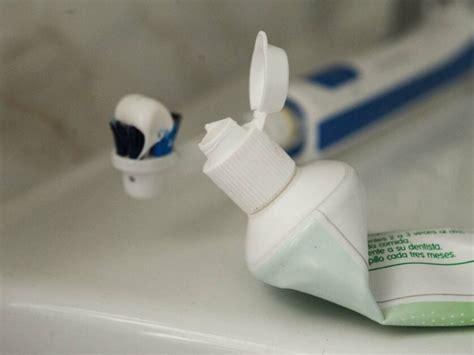
Toothpaste, even though semi-solid, is treated as a gel, and therefore must adhere to this rule. When arriving at the security checkpoint, travelers must place their liquids bag in a bin for individual screening. Failure to do so, or attempting to bring a container exceeding 3.4 ounces, typically results in confiscation.
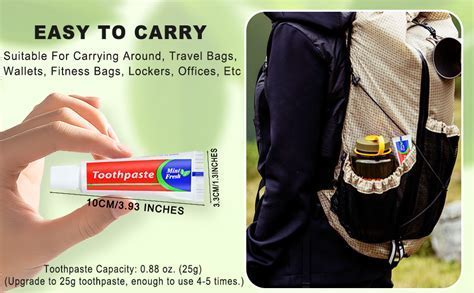
It’s important to note that these rules apply not only in the United States but are often mirrored internationally. However, specific airlines and countries may impose slightly different limits, so consulting the airline’s official website or local aviation authority before travel is highly recommended. To avoid last-minute complications, travel-sized toothpaste—readily available from many brands—is the safest option. Notable choices like Boka’s Travel Size Toothpaste, which features nano-hydroxyapatite (n-Ha) for enamel strengthening, are perfect for compliant and effective dental care on the go.
Checked Luggage: Fewer Restrictions, More Freedom
For those packing toothpaste in checked luggage, the rules are much more lenient. There are no restrictions regarding the size or quantity of toothpaste placed in checked bags. Whether you prefer large tubes of your favorite brand or want to stock up for a longer trip, the checked bag offers the most flexible option.
That said, travelers must remain mindful of the overall weight restrictions imposed by airlines. Most carriers set weight limits between 50 to 70 pounds (23 to 32 kilograms) for checked bags. Exceeding this limit can result in hefty fees or the need to redistribute items at the airport counter. It’s advisable to weigh luggage at home before departing to avoid these scenarios.
Additionally, travelers should be aware that while toothpaste itself is generally safe, some specialized or medicated toothpaste containing active ingredients might be subject to specific import or customs regulations, especially when flying internationally. Always check for country-specific guidelines if transporting medicinal dental products in bulk or in high concentration formulas.
Practical Tips for a Smooth Security Check
Despite the clarity of TSA rules, many travelers encounter avoidable hiccups due to oversight. Here are some essential tips to ensure a smooth journey through airport security:
- Pre-pack your liquids bag: Have your toothpaste and other gels pre-packed in your clear bag before arriving at the airport.
- Label awareness: Ensure all items have visible volume markings. TSA officers need to verify that each item is within the allowed 3.4 ounces.
- Easy access: Place your liquids bag at the top of your carry-on so it’s readily accessible during screening.
- Consider solid alternatives: If you travel frequently, toothpaste tablets or powders can bypass liquid restrictions entirely, offering a convenient, mess-free alternative.
Are Toothpaste Tablets the Future of Travel?
In recent years, toothpaste tablets have emerged as a popular choice among frequent flyers. Unlike traditional toothpaste, these solid tablets do not fall under liquid restrictions and are TSA-compliant in any quantity. Simply chew a tablet, brush as usual, and enjoy the same freshness and cleanliness as with gel-based pastes.
Brands like Bite and Hello have introduced innovative formulations that cater to eco-conscious consumers while addressing the practical limitations of liquid-based toothpaste. Not only do these tablets simplify the packing process, but they also contribute to reducing plastic waste, making them a sustainable alternative for modern travelers.
International Variations and Airline Policies
Although the TSA sets the standard for U.S. flights, international travelers should be vigilant about local regulations. For instance, in the European Union, the liquid allowance is similar (100ml per item), but some airports enforce stricter security procedures. Asian countries may require additional screenings or documentation for dental products containing certain chemicals.
Moreover, individual airlines may impose unique restrictions during specific events or high-alert periods. Always review both government and airline policies in advance to stay compliant and avoid surprises at the airport. Remember, the ultimate authority lies with airport security staff, whose discretion can vary depending on the situation.
Conclusion: A Bright Smile, Wherever You Fly
Traveling with toothpaste is entirely feasible with the right preparation. Whether opting for a mini tube that meets the 3-1-1 rule or placing a full-size favorite in checked luggage, understanding and adhering to regulations will ensure smooth security checks. For frequent flyers or those seeking added convenience, toothpaste tablets provide an innovative, restriction-free option.
A proactive approach—consulting airline policies, packing correctly, and considering alternatives—can make all the difference in ensuring that your dental care routine remains uninterrupted, no matter your destination. Equipped with this knowledge, travelers can focus on enjoying their journey with confidence and, of course, a brilliant smile.