Air travel may feel routine, but the truth is every seat on an aircraft tells a different story. From subtle comfort differences to hidden operational realities, seasoned flyers—especially flight attendants—approach seat selection with a level of strategy most passengers never consider. When they travel off duty, their choices are deliberate, informed, and revealing.
What’s most striking is not just where they choose to sit—but the one seat row they consistently avoid. It’s not a superstition. It’s not preference alone. It’s based on years of firsthand experience inside the cabin, observing everything from turbulence patterns to passenger flow, noise levels, and even subtle environmental discomforts.
Understanding these choices unlocks a powerful advantage: the ability to transform your next flight from tolerable to genuinely comfortable.
Why Seat Selection Is More Strategic Than You Think
Every passenger faces the same decision when booking a flight—window or aisle, front or back, extra legroom or proximity to the exit. Yet beneath these surface-level choices lies a deeper reality: aircraft cabins are dynamic environments shaped by physics, service logistics, and human behavior.
Flight attendants don’t just sit anywhere when they travel off duty. They analyze:
- Aircraft balance and turbulence zones
- Passenger traffic patterns
- Noise concentration areas
- Service timing and meal availability
- Ease of boarding and disembarkation
This isn’t overthinking—it’s optimization. They understand that a seat is not just a location. It’s an experience.
By the time most passengers are settling into cramped economy seats, flight attendants have already positioned themselves in areas that maximize rest, minimize disruption, and improve overall comfort.
The Preferred “Sweet Spot” Seats Flight Attendants Actually Choose
While many travelers chase upgrades or bulkhead seats, flight attendants often gravitate toward a surprisingly specific location: over-wing exit rows, particularly window seats like 21A or 21F on narrowbody aircraft.
This choice is no accident.
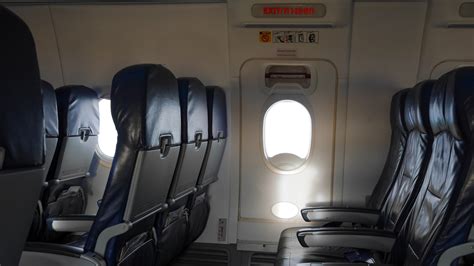
These seats strike a rare balance between space, stability, and privacy. Sitting near the aircraft’s center of gravity, they offer a noticeably smoother ride—something only experienced flyers truly appreciate. Turbulence, while unavoidable, feels less pronounced here compared to the front or rear sections.
The window adds another advantage. It provides a physical surface to lean against, making it easier to sleep—an underrated luxury on long-haul flights. Meanwhile, the exit row design offers extra legroom, giving passengers space to stretch without constantly adjusting posture.
There’s also a practical edge. Exit row passengers typically board earlier and disembark faster, avoiding the chaotic bottlenecks that form during boarding and landing.
Yet, these seats are not without compromise. They often don’t recline, can feel colder due to proximity to the aircraft door, and require passengers to store belongings in overhead bins during takeoff and landing. Still, for flight attendants, the trade-off is worth it.
The One Seat Row Flight Attendants Avoid—Every Time
Ask almost any flight attendant where they would never choose to sit, and the answer is remarkably consistent: the last row of the aircraft.
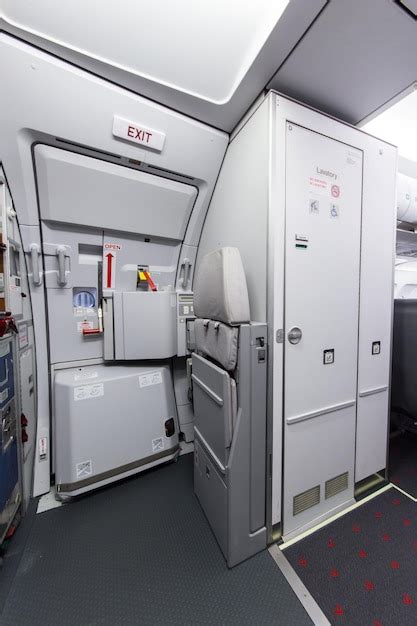
This section of the plane may look like any other at first glance, but in reality, it’s a convergence point of nearly every in-flight inconvenience.
The most immediate issue is limited or nonexistent seat recline. With a bulkhead or wall directly behind, these seats are often fixed upright—turning even a short flight into an endurance test.
Then comes the environment. Positioned next to the lavatories and galley, the last row is subject to:
- Constant foot traffic
- Persistent noise from flushing toilets and galley operations
- Lingering odors that fluctuate throughout the flight
It’s a high-activity zone where privacy is minimal and interruptions are constant. Passengers frequently gather nearby while waiting for the restroom, often leaning into the personal space of those seated.
But the discomfort doesn’t stop there.
From a physical standpoint, turbulence is felt more intensely at the rear of the aircraft. The plane moves in a wider arc at the back, amplifying motion and increasing the likelihood of motion sickness. What feels like mild shaking mid-cabin can become noticeably more aggressive in the rear rows.
And finally, there’s the exit delay. Sitting in the last row means being the absolute last to leave the aircraft—a minor inconvenience unless you’re racing to make a connection. Then, it becomes a critical disadvantage.
The Overlooked “Problem Row” in the Middle of the Cabin
While the last row gets most of the criticism, some flight attendants quietly flag another less obvious contender: row 11 on many narrowbody aircraft.
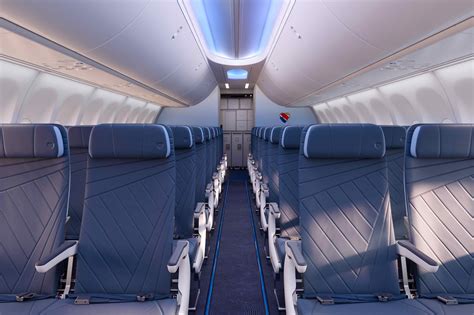
This row sits in a logistical dead zone. On aircraft that allow both front and rear boarding or disembarkation, passengers in this middle section often find themselves stuck—waiting for movement from both directions.
The result? Delayed boarding, delayed exit, and prolonged time spent standing in crowded aisles.
It’s not the most uncomfortable seat physically, but operationally, it can be one of the most frustrating. For professionals accustomed to efficiency, that’s reason enough to avoid it.
Does Seat Location Affect Safety? The Reality Behind the Data
The question of the “safest seat” on an aircraft has circulated for decades, often fueled by anecdotal evidence and isolated incidents. Data does offer some insights—but not definitive answers.
Studies analyzing aviation accidents over several decades suggest that rear cabin seats sometimes show slightly higher survival rates, particularly middle seats. However, these statistics are highly situational and influenced by countless variables, including crash dynamics, impact angle, and post-crash conditions.
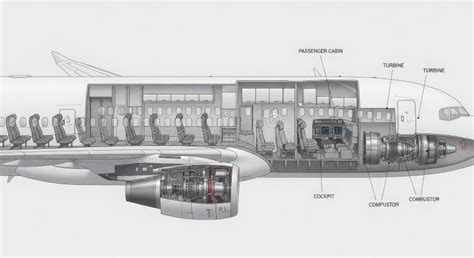
Interestingly, survival is less about seat location and more about proximity to exits, passenger awareness, and adherence to crew instructions. In real-world scenarios, reaction time and preparedness often matter more than position.
Despite occasional viral stories about “lucky seats,” there is no universally safest row. Aviation remains one of the safest forms of transportation, and risk is extraordinarily low regardless of where you sit.
How Cabin Geography Shapes Your Entire Flight Experience
To understand why flight attendants avoid certain rows, you have to see the cabin as they do—not as a static layout, but as a living system.
The front of the cabin offers speed and convenience. Passengers seated here are among the first to board, the first to be served meals, and the first to exit. It’s efficient, predictable, and relatively calm.
Mid-cabin areas—especially over the wings—offer stability. This is where the aircraft’s motion feels most controlled, making it ideal for those sensitive to turbulence.
The rear, however, is where everything converges. Service preparation, passenger movement, and environmental fluctuations all peak here. It’s functional for crew operations, but far from ideal for rest.
Flight attendants, having worked countless flights, instinctively navigate these zones. Their choices reflect not preference alone, but a deep understanding of how each section behaves over time.
Smart Seat Selection Strategies Inspired by Cabin Crew
If there’s one takeaway from flight attendants’ habits, it’s this: seat selection should be intentional, not random.
Instead of defaulting to whatever is available, consider aligning your choice with your priorities.
If comfort and rest matter most, aim for over-wing seats or forward economy rows. These areas combine relative quiet with smoother flight dynamics.
If quick exit is critical—especially for tight connections—prioritize seats closer to the front. The time saved during disembarkation can be significant.
If you’re hoping for extra space on a less crowded flight, some travelers gamble on rear seats—but this comes with trade-offs in noise and comfort.
And if you value uninterrupted sleep or minimal disturbance, avoid high-traffic zones near lavatories and galleys at all costs.
The Psychology Behind Why Passengers Still Choose “Bad” Seats
Despite all this information, many travelers still end up in less desirable seats. Why?
Part of it comes down to availability and pricing. Airlines often charge premiums for better seats, pushing passengers toward standard options in less favorable areas.
But there’s also a psychological element. Some passengers prioritize perceived convenience over actual comfort, choosing seats near lavatories or at the back believing they’ll have easier access or more flexibility.
In reality, these perceived advantages rarely outweigh the downsides.
Flight attendants don’t fall into this trap. Their decisions are shaped by repetition and experience, not assumption.
The Final Verdict: What Flight Attendants Want You to Know
The consensus is clear and consistent across the industry: the last row is the one seat area flight attendants avoid whenever possible.
It’s not just about comfort—it’s about the cumulative effect of multiple small disadvantages that, together, create a noticeably worse experience.
From restricted recline and increased noise to stronger turbulence and delayed exit, the rear row represents a perfect storm of inconvenience.
Meanwhile, the seats they favor—particularly over-wing exit rows and forward economy—offer a balanced blend of comfort, efficiency, and control.
The next time you book a flight, remember this: your seat choice shapes far more than just where you sit. It determines how you sleep, how you feel, and how smoothly your journey unfolds.
And if there’s one insider rule worth following, it’s simple—sit where the professionals sit, and avoid where they won’t.