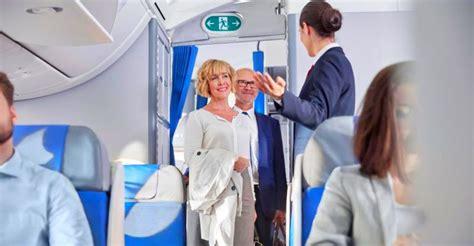
Boarding an aircraft often feels routine. Passengers step onto the plane, exchange a quick smile with the flight attendants, and move toward their seats. To many travelers, that brief greeting appears to be nothing more than a gesture of hospitality. In reality, those few seconds represent one of the most important safety procedures carried out before takeoff.
Flight attendants are not simply welcoming guests—they are quietly performing a rapid three-second security and safety assessment of every passenger who boards the aircraft. Within that fleeting moment, trained crew members evaluate body language, physical condition, potential risks, and even the possibility that a traveler might become an ally in a crisis. It is a skill developed through training, experience, and an acute awareness that aviation safety often begins long before the cabin doors close.
This subtle process plays a critical role in maintaining order, identifying potential problems early, and ensuring that the cabin environment remains secure throughout the flight. For passengers, the scan is invisible. For cabin crews, it is a crucial component of their professional responsibility.
Why Every Passenger Is Quietly Evaluated During Boarding
Commercial aviation operates under strict safety regulations, yet human awareness remains one of the most powerful tools available to airline crews. The brief interaction during boarding gives flight attendants a unique opportunity to observe each passenger before the aircraft leaves the ground.
During this moment, flight attendants evaluate several subtle indicators simultaneously. Physical mobility, emotional state, and attentiveness can all reveal important clues about how a person might behave during the flight or react in an emergency. Because boarding is the only time when every passenger passes directly by a crew member, it becomes the ideal moment to perform a rapid but meaningful assessment.
Airlines emphasize that this observation is not about judging people. Instead, it is about ensuring that the aircraft cabin contains the right balance of individuals who can help during emergencies while also identifying passengers who may require extra attention or assistance.
The process is quick, instinctive, and almost invisible. Experienced flight attendants can gather essential information about a traveler in less time than it takes to say “Welcome aboard.”
The Concept of Able-Bodied Passengers (ABPs)
One of the key goals of the three-second scan is identifying Able-Bodied Passengers, often abbreviated as ABPs in aviation safety training. These are travelers who appear physically capable of assisting the crew during an emergency evacuation.
In an evacuation scenario, seconds matter. Aircraft are certified under international aviation regulations to evacuate all passengers within 90 seconds, even if half the exits are blocked. Achieving this level of efficiency requires coordination not only from the crew but sometimes from passengers as well.
Flight attendants therefore pay attention to individuals who appear strong, alert, and physically capable. These passengers may be called upon to help open emergency exits, guide others toward slides, or assist people who have difficulty moving quickly.
The scan typically evaluates characteristics such as:
- General physical fitness and mobility
- Age and apparent health
- Alertness and responsiveness
- Ability to understand instructions
- Confidence and situational awareness
While the evaluation happens quickly, it allows the crew to form a mental map of the cabin—one that could become invaluable if an emergency arises.
Exit Rows and the Responsibility of Emergency Assistance
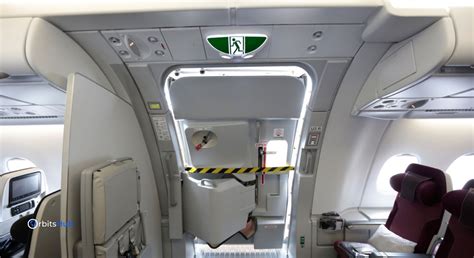
The presence of emergency exit rows introduces additional safety requirements. These seats provide extra legroom and are often considered desirable by passengers, but they also come with serious responsibilities.
Passengers seated in exit rows must meet specific regulatory criteria. Flight attendants confirm that individuals sitting there are physically capable and willing to assist if necessary. This includes tasks such as opening the exit door, ensuring that the evacuation slide deploys correctly, and guiding passengers out of the aircraft.
In many countries, aviation authorities require that exit-row passengers meet several conditions:
- They must meet a minimum age requirement, typically at least 15 years old.
- They must possess full mobility in their arms and legs.
- They must be able to understand and follow instructions from the crew.
- They cannot be responsible for small children, pets, or mobility devices.
If a passenger fails to meet these conditions, the flight attendants may quietly relocate them to another seat. In some cases, they may even move a capable traveler into the exit row if the seat needs someone qualified.
Although passengers rarely notice this adjustment, it ensures that the aircraft meets safety regulations before departure.
Spotting Potentially Disruptive Passengers Early
The three-second scan is not only about identifying helpers. It is also designed to detect individuals who might pose a risk during the flight.
Airline crews are trained to watch for signs of intoxication, agitation, or aggressive behavior. These warning signals can appear in many forms, including slurred speech, unstable walking, loud arguments, or confrontational body language.
Air rage incidents have increased significantly in recent years. Disruptive passengers can threaten cabin safety, delay flights, or force aircraft to divert to alternate airports—an extremely expensive and disruptive event for airlines and travelers alike.
Early identification allows flight attendants to take preventive measures. Often this begins with calm conversation and observation. If the crew senses that a passenger may become problematic, they can inform the captain before the aircraft departs.
In extreme cases, the captain may decide that the passenger should not be allowed to travel on that flight. Removing someone during boarding is far easier and safer than handling a serious disturbance at 35,000 feet.

Recognizing Passengers Who May Need Extra Assistance
Just as flight attendants identify potential helpers and troublemakers, they also look for passengers who might require special care during the journey.
Travelers with limited mobility, elderly passengers, individuals who appear unwell, or those who seem anxious about flying may need additional attention. Recognizing these passengers early allows the crew to monitor them more closely throughout the flight.
A first-time flyer, for example, might display signs of nervousness—hesitation while boarding, uncertainty about where to place luggage, or repeated questions about basic procedures. While these behaviors are completely normal, they can signal that the passenger might require reassurance or guidance later.
Similarly, someone who appears ill may need medical monitoring. A minor issue during boarding could become more serious once the aircraft is airborne, where medical resources are limited.
Flight attendants quietly note these situations so they can respond quickly if needed.
The Value of Skilled Passengers During Emergencies
Commercial aircraft sometimes carry passengers with valuable professional expertise—doctors, nurses, firefighters, engineers, or even off-duty aviation crew members. While flight attendants cannot identify these professionals during the boarding scan, they remain aware that such assistance might be present onboard.
During a medical emergency, cabin crews typically make an announcement asking if any medical professionals are traveling on the aircraft. Having a qualified doctor onboard can dramatically improve the response to in-flight medical situations, especially on long-haul flights far from the nearest airport.
The importance of knowledgeable passengers has been demonstrated in several notable aviation incidents. One of the most famous occurred during United Airlines Flight 232 in 1989, when an off-duty DC-10 pilot named Captain Dennis E. Fitch was traveling as a passenger.
When the aircraft suffered catastrophic hydraulic failure, Fitch volunteered to assist the cockpit crew. Working together, the pilots managed to maintain partial control of the aircraft and perform a crash landing in Sioux City, Iowa. While the accident still resulted in fatalities, the teamwork of four experienced pilots onboard saved many lives.
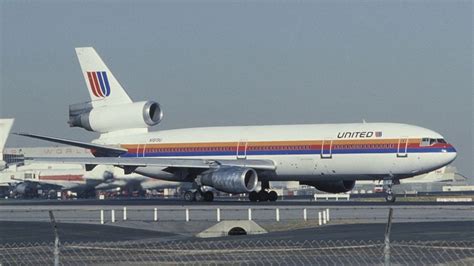
This extraordinary event illustrates how valuable trained individuals can be during aviation emergencies. Although flight attendants cannot identify such experts during the boarding scan, their awareness of passengers’ abilities remains an important aspect of cabin safety.
The Psychology Behind the Three-Second Observation
The ability to evaluate passengers so quickly may sound remarkable, but it relies on a combination of psychology and professional training.
Humans naturally gather information through micro-observations—small cues such as posture, facial expressions, and movement patterns. Flight attendants are trained to use these cues to build a rapid mental profile of each traveler.
For example, posture can indicate confidence or discomfort. Eye contact can reveal attentiveness or distraction. The way a passenger carries luggage can signal physical strength or limited mobility.
Over time, experienced flight attendants develop an instinctive awareness of these signals. What begins as formal training eventually becomes second nature, allowing them to assess dozens or even hundreds of passengers in a matter of minutes.
This observational skill is similar to techniques used in other safety professions, including law enforcement, security screening, and emergency response.
Balancing Safety Responsibilities With Customer Service
Despite the safety objectives behind the boarding scan, the interaction must still feel welcoming to passengers. Airlines place great importance on creating a positive first impression, and the boarding greeting plays a key role in shaping a traveler’s perception of the flight.
Flight attendants therefore perform two roles simultaneously. On one hand, they are safety professionals conducting silent assessments. On the other, they are hospitality representatives responsible for ensuring that passengers feel comfortable and valued.
Many airlines intentionally design boarding procedures to encourage friendly interaction. Some carriers provide small gestures—such as sanitizing wipes, refreshments in premium cabins, or personal greetings—to make the moment feel more personable.
These interactions serve a dual purpose. They enhance customer satisfaction while also giving the crew additional opportunities to observe passengers closely.
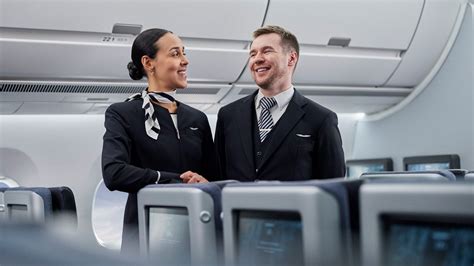
Why the Boarding Scan Matters More Than Passengers Realize
Most travelers never realize that such a detailed evaluation takes place as they step onto an aircraft. The greeting feels casual and friendly, yet it represents a vital part of the aviation safety system.
This simple three-second observation helps flight attendants accomplish several critical goals:
- Identifying able-bodied passengers who can assist during evacuations
- Ensuring exit row seats are occupied by qualified individuals
- Detecting potentially disruptive behavior before departure
- Recognizing passengers who may require additional care or support
- Maintaining overall situational awareness inside the cabin
When combined with other safety procedures—such as pre-flight checks, crew briefings, and emergency equipment inspections—the boarding scan forms part of a comprehensive approach designed to protect everyone on board.
The Demanding Reality of a Flight Attendant’s Job
Many passengers associate flight attendants primarily with in-flight service, yet the profession involves far more responsibility than distributing meals or beverages.
Cabin crews undergo extensive safety training covering emergency evacuations, firefighting, first aid, security procedures, and conflict management. They must be prepared to respond to a wide variety of situations, from medical emergencies to unexpected turbulence or passenger disturbances.
The boarding scan is just one example of the constant vigilance required in the role. Even before the aircraft pushes back from the gate, flight attendants are already performing critical safety duties.
Behind every warm greeting lies a trained professional quietly ensuring that the flight begins with the highest possible level of awareness.
Conclusion
The next time you board an airplane and hear a friendly “Welcome aboard,” remember that the interaction carries more meaning than it seems. In those brief seconds, a flight attendant is doing far more than offering hospitality.
They are performing a rapid evaluation designed to keep the cabin safe—identifying helpers, recognizing risks, and preparing for scenarios that passengers hope will never occur.
It is a silent routine repeated thousands of times every day across the global aviation network. Most travelers never notice it, yet it remains one of the subtle practices that helps make modern air travel one of the safest forms of transportation in the world.
Frequently Asked Questions
Do flight attendants really evaluate every passenger during boarding?
Yes. Cabin crews are trained to observe each passenger briefly during boarding. This quick scan helps them identify individuals who may assist during emergencies, those who might require help, and anyone who could potentially cause safety issues.
Why are exit row passengers questioned by flight attendants?
Exit row passengers have the responsibility of assisting during an evacuation. Flight attendants must confirm that these individuals meet safety requirements, including physical ability, age limits, and willingness to help open emergency exits.
Can a passenger be removed from a flight during boarding?
Yes. If a passenger appears intoxicated, aggressive, or unwilling to follow crew instructions, the captain has the authority to deny boarding or remove the individual before departure to protect the safety of everyone onboard.