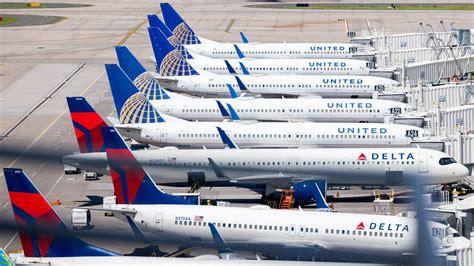
In a stunning revelation that is shaking the pillars of public trust in air travel, it has come to light that American Airlines, United Airlines, and Delta Air Lines have been discreetly supplying passenger data to Immigration and Customs Enforcement (ICE) through a clandestine surveillance operation. Far from isolated incidents, these data transfers are part of a broad and highly secretive intelligence program run by a little-known intermediary called the Airlines Reporting Corporation (ARC).
This program, shielded from public knowledge, represents more than just an invasion of privacy—it is a profound breach of the social contract between travelers and the institutions they trust. Beneath the routine of check-ins and boarding calls lies a nationwide surveillance infrastructure, where billions of travel records have been quietly fed into federal databases without the consent—or even awareness—of the flying public.
The Silent Funnel: How Passenger Data Was Secretly Shared
While travelers booked their seats through popular platforms like Expedia or Booking.com, their personal data—including names, travel routes, credit card information, and identification numbers—was quietly rerouted through ARC’s data systems. This middleman, headquartered in Arlington, Virginia, processes over half of all airline tickets globally. ARC’s Travel Intelligence Program aggregates ticketing data from more than 400 international carriers, storing over 1 billion searchable records that document where individuals have flown, when, and often with whom.
Unlike Customs and Border Protection, which collects travel data through direct interactions at points of entry, ARC provides a pre-emptive surveillance network. Its database contains not just past flights but also planned future itineraries, offering a chilling depth of insight into citizens’ movements.
Most disturbingly, ARC’s role remains completely opaque to the average traveler. It is rarely, if ever, disclosed by airlines or booking platforms in privacy policies, leaving consumers unaware that their information is part of a government-accessible system.
ICE, Military, and More: The Agencies Accessing Civilian Travel Data
According to multiple documents and investigative reports, ICE, the Department of Defense, and the Department of the Treasury have all secured data-sharing agreements with ARC, some stretching back to 2017. These contracts—often awarded without competitive bidding—have provided federal agencies with near real-time access to ARC’s massive travel database. The agencies have collectively paid ARC more than $1.3 million for this access.
This means that civilian airline data isn’t just being used for immigration enforcement. It is potentially being analyzed for defense intelligence, financial tracking, and other undisclosed surveillance objectives. The implications for personal freedom and privacy are staggering.
A Veil of Secrecy: No Transparency, No Consent
What makes this revelation especially jarring is the complete absence of transparency. Airlines and booking platforms do not inform users that their data will be shared with ARC. ARC, in turn, does not disclose that it hands over this data to federal agencies. This layered concealment denies passengers the ability to consent or opt out, violating basic principles of data ethics and informed choice.
Civil liberties organizations have condemned the program, likening it to warrantless digital wiretapping. Without judicial oversight, user awareness, or clear opt-in policies, the ARC-ICE connection operates in a legal gray zone where privacy rights are treated as optional.
Targeting the Vulnerable: Immigrants and Marginalized Groups at Risk
For immigrant communities, the stakes are even higher. The existence of this surveillance program raises concerns about racial profiling, targeted deportations, and the erosion of safe travel for non-citizens. The fear now is not merely theoretical—real lives are affected when travel history becomes a trigger for federal action.
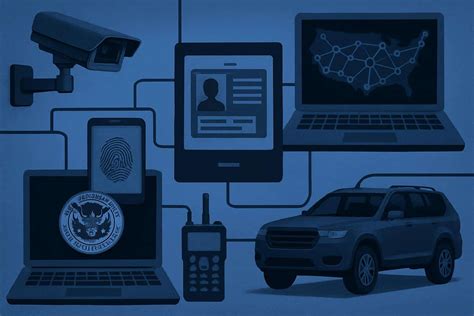
Students on visas, refugees, green card holders, and even naturalized citizens could find themselves flagged due to pattern recognition algorithms interpreting their travel choices as suspicious. The data does not exist in isolation—it is likely cross-referenced with biometric files, financial records, and social media footprints.
The Corporate Silence: Airlines Under Fire
In response to the growing scandal, American, United, and Delta have remained largely silent or issued vague denials of direct cooperation with ICE. However, their contracts with ARC—and ARC’s own relationship with the federal government—draw a straight line between customer data collected by airlines and surveillance activity.
This evasion of accountability is fueling public backlash. Advocacy groups are demanding congressional hearings, and some legal experts argue that these practices may violate not only state privacy laws but potentially Fourth Amendment protections against unreasonable searches and seizures.
Global Implications: Surveillance Without Borders
The issue is not confined to U.S. borders. Because ARC handles a significant portion of international ticketing, foreign nationals flying into American airports may also be unknowingly surveilled. International travelers could see their data transferred to U.S. agencies without recourse or knowledge, straining diplomatic relationships and raising ethical questions for data protection regimes like Europe’s GDPR.
Countries with stronger privacy laws may begin to reevaluate their data-sharing partnerships with U.S. travel systems. Airlines based abroad but using ARC as a processing layer may now be implicated in surveillance activities they never intended to support.
Legal and Political Repercussions Loom
The backlash is building momentum. Lawmakers have started asking hard questions about ARC’s activities and demanding audits. Several privacy watchdogs are preparing lawsuits challenging the legality of the data transfers.
Among the pressing legal questions:
- Was passenger data shared without appropriate consent mechanisms?
- Were international privacy laws, such as GDPR or PIPEDA, violated?
- Did government agencies bypass necessary judicial procedures?
These inquiries could lead to a wider examination of how the U.S. government collects and exploits civilian data—not just in air travel, but across sectors. As more surveillance infrastructure is revealed, public trust in digital and travel systems may deteriorate.
What Travelers Can Do
In the absence of full transparency, passengers can take a few protective steps:
- Request data reports from airlines and travel platforms.
- Avoid centralized booking engines that route through ARC when possible.
- Use privacy-focused credit cards or virtual payment methods to minimize traceability.
- Support organizations lobbying for data rights legislation.
But meaningful change requires systemic reform. Airline industry leaders must be held to higher standards of accountability, and privacy laws must evolve to address the realities of data commerce and digital surveillance.
The Future of Trust in Air Travel
The revelation that three of America’s most trusted airlines are connected to a covert government data-sharing program undermines the very essence of public trust. The problem isn’t merely technical or legal—it’s moral.
Trust, once broken, is hard to restore. Transparency, consent, and ethical stewardship of personal data must become core tenets of the travel experience. Without them, the skies may remain open, but our freedom to move without fear will be grounded.