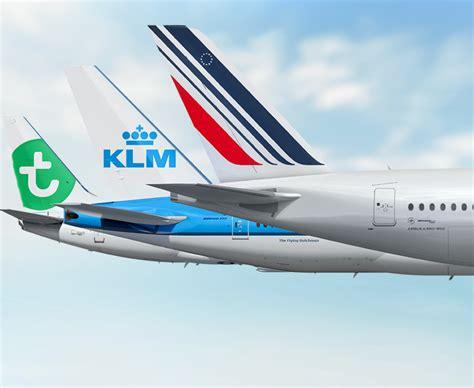
Travelers flying between Amsterdam Schiphol and New York JFK this summer will witness a pivotal shift in international aviation cooperation as KLM and Air France initiate a four-month pilot-sharing program that could redefine industry collaboration standards.
A Historic First in Aviation Operations
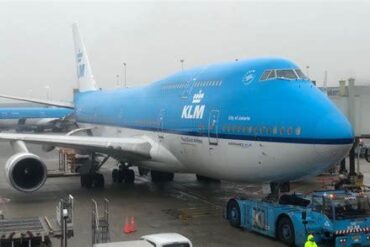
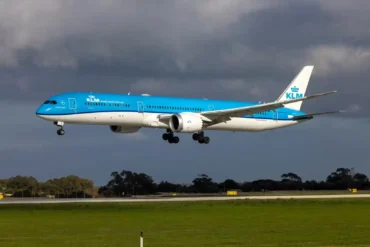
For the first time in history, Air France pilots are officially operating scheduled KLM flights—specifically aboard the airline’s Boeing 777-200 aircraft, primarily servicing flight KL 641, the flagship transatlantic connection between the Netherlands and the United States. This initiative, running from July through October 25, 2025, marks a substantial leap from traditional airline codeshares and joint marketing into tangible operational integration.
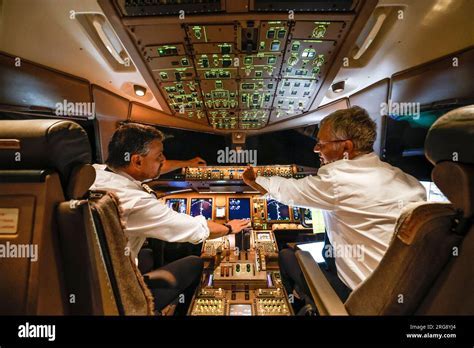
Such deep cooperation, especially between two legacy flag carriers fiercely protective of their national identities and brand ethos, signals a strategic pivot driven by necessity and opportunity.
The Industry Crisis Fueling Change
Global aviation has yet to recover fully from the cascading effects of the COVID-19 pandemic, which decimated airline staff rosters, delayed pilot training, and accelerated early retirements. Although passenger demand now exceeds pre-pandemic levels, the supply of qualified pilots remains insufficient. European carriers, in particular, face immense pressure during the peak summer travel months, grappling with packed airports, swelling transatlantic traffic, and restless passengers unwilling to tolerate cancellations.
Against this backdrop, KLM and Air France have embraced an unorthodox yet pragmatic solution—pilot sharing—to safeguard operational continuity on one of KLM’s most critical routes.
Why Focus on Amsterdam-New York?
Flight KL 641, connecting Amsterdam Schiphol Airport (AMS) to John F. Kennedy International Airport (JFK), is central to KLM’s transatlantic operations. The route serves:
- Business travelers maintaining corporate links across the Atlantic
- Leisure tourists eager for direct access between two global capitals
- Cargo shippers relying on dependable transatlantic air freight services
Protecting this daily connection is paramount for KLM. With Air France pilots temporarily stepping in, the airline ensures that this high-demand, high-revenue artery remains uninterrupted, preserving both service reliability and brand reputation.
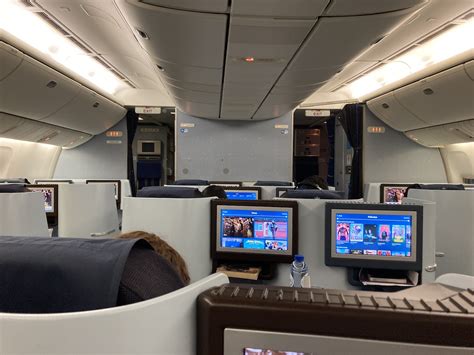
How the Program Operates: Inside the Cockpit
Under the pilot-sharing arrangement:
- Air France flight crews are deployed to operate KLM’s Boeing 777-200 aircraft on the Amsterdam-New York route.
- KLM cabin crews remain onboard, ensuring consistency in service delivery, Dutch hospitality, and passenger experience.
This hybrid operational model required extensive behind-the-scenes work, including:
- Harmonizing cockpit communication protocols and standard operating procedures between the two airlines.
- Ensuring compliance with international aviation regulations regarding pilot licensing and aircraft-type qualifications.
- Conducting cross-airline briefings and training programs to synchronize workflows.
The result is seamless cockpit collaboration without compromising safety or operational standards.
Beyond Crisis Management: Deeper Strategic Integration
While the summer 2025 program addresses immediate pilot shortages, its broader significance lies in what it represents: a deliberate move towards operational unification within the Air France-KLM Group.
Historically, airline alliances revolved around shared marketing efforts and loyalty programs. Today, however, operational alliances—where fleets, crews, and schedules are fluidly shared—are becoming the new frontier. By sharing pilots, Air France-KLM transcends traditional corporate boundaries while preserving distinct national brand identities for passengers.
Navigating Cultural and Operational Challenges
For the pilots themselves, operating another airline’s aircraft introduces both professional development and operational complexity. Each airline adheres to specific manuals, communication styles, and procedural norms, despite flying similar aircraft models. Bridging these divides required:
- Regulatory approvals from aviation authorities in both France and the Netherlands.
- Rigorous cross-training sessions for Air France pilots.
- Enhanced coordination between flight operations and training departments.
Despite the complexities, participating pilots benefit from expanded experience and camaraderie across company lines—an intangible yet valuable advantage.

Passenger Experience Remains Unchanged
For travelers, the experience remains familiar. The sight of an Air France pilot in the cockpit might surprise some, but passengers continue to receive the hallmark KLM cabin service they expect:
- Dutch hospitality
- Multilingual inflight assistance
- Signature KLM service touches
Maintaining this front-end consistency is crucial. Airlines must innovate operationally while safeguarding the passenger experience—a balance KLM and Air France aim to master.
A Potential Blueprint for Future Aviation Alliances
The implications of this pilot-sharing venture extend well beyond Amsterdam and New York. The program’s success could inspire other major alliances—SkyTeam, Star Alliance, and Oneworld—to explore similar cross-border crew-sharing initiatives. As airlines confront ongoing pilot shortages, geopolitical disruptions, and sustainability challenges, such collaborations could become vital for maintaining global flight schedules.
Shared pilot pools may represent the next evolution of alliance cooperation, blurring the lines between member airlines in operational spheres once deemed sacrosanct.
Economic Ramifications Beyond Aviation
Protecting key transatlantic routes like Amsterdam-New York does more than keep planes flying. It stabilizes:
- Corporate travel itineraries
- Tourism flow between Europe and the US
- Cargo supply chains
- Regional employment in associated industries
Delays or cancellations on such pivotal routes have cascading economic effects, from hotel bookings to manufacturing logistics. By ensuring continuity, KLM and Air France indirectly safeguard wider economic stability.
Post-October 2025: What Lies Ahead?
Although this pilot-sharing program is currently temporary, slated to conclude by late October, industry insiders anticipate close monitoring of its outcomes:
- Operational efficiency metrics
- Safety and performance evaluations
- Passenger satisfaction levels
- Cost-benefit analyses
If deemed successful, extensions to additional routes or aircraft types could follow. Other global carriers may also replicate the model, particularly within alliance frameworks.
The Core Priority: Seamless Passenger Journeys
In the end, passengers prioritize reliability, comfort, and safety above all. KLM and Air France’s initiative underscores that behind-the-scenes innovation can occur without disrupting the customer-facing experience. Whether greeted in French or Dutch, travelers flying KL 641 can trust in the professionalism of the crew and the consistency of service.
A Defining Moment for Modern Aviation
The Air France-KLM pilot-sharing program is more than a logistical response to labor shortages—it’s a strategic statement about aviation’s future. In a sector historically defined by national pride and brand sovereignty, operational flexibility now reigns supreme.
This groundbreaking move exemplifies how collaboration, rather than competition, can drive resilience in global aviation. By sharing pilots, KLM and Air France signal that success in modern air travel hinges on thinking beyond borders and embracing innovative operational alliances.
Passengers boarding at Schiphol or arriving at JFK this summer may not realize it, but their flight represents a turning point in how airlines operate in the 21st century.