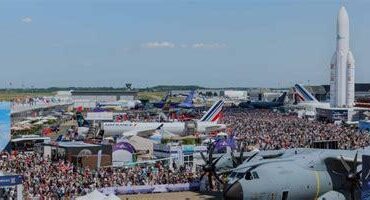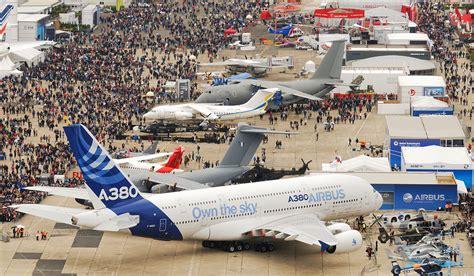
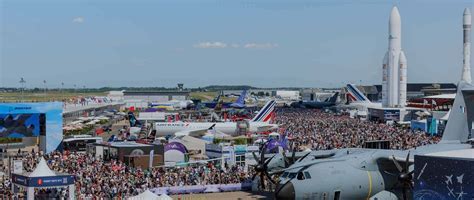
At the 2025 Paris Air Show, held at Le Bourget, Airbus dominated headlines with a commanding showcase that pushed the boundaries of aerospace innovation. From zero-emission aviation technologies to deep-space exploration systems and advanced military platforms, Airbus demonstrated why it remains a powerhouse not only in Europe but globally. The event became a symbol of France’s leadership in aerospace and Airbus’ vision for a sustainable, secure, and interconnected world.
A Century of Aerospace Progress Culminates in Visionary Innovation
As one of the oldest and most prestigious gatherings of the aviation world, the Paris Air Show has long served as the industry’s premiere launchpad for next-generation technologies. This year, Airbus elevated the bar by presenting a comprehensive and bold roadmap across three critical domains: green aviation, space exploration, and European defense modernization. Each initiative presented reflected not only technical brilliance but also a firm commitment to environmental stewardship, international cooperation, and global stability.
The showcase revealed not just the hardware and systems but the strategic intent behind them—how Airbus is shaping the aerospace landscape of tomorrow while addressing the pressing global challenges of today.
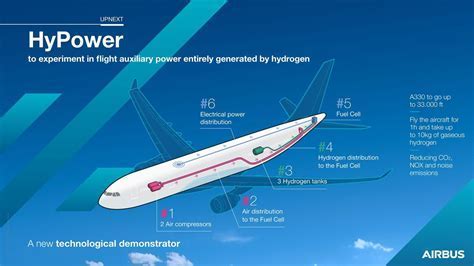
Decarbonizing the Skies: Airbus Leads the Green Aviation Revolution
Among the most anticipated segments was Airbus’ green aviation display, where hydrogen-powered flight, sustainable aviation fuel (SAF) integration, and hybrid-electric propulsion took center stage. The aviation industry, responsible for around 2-3% of global CO₂ emissions, faces mounting pressure to decarbonize. Airbus responded by unveiling a suite of solutions designed to radically alter how aircraft are powered, manufactured, and operated.
Key innovations included:
- Hydrogen combustion engine prototypes now undergoing ground and flight testing, with a target entry into service by 2035.
- Wide-scale integration of SAF into the existing A320neo and A350 fleets, paving the way for carbon reduction even before next-gen aircraft arrive.
- A new family of aircraft using lightweight composite materials and optimized aerodynamics, reducing drag and improving fuel efficiency.
Airbus emphasized that sustainable aviation is not a one-nation challenge—it’s a global imperative. Partnerships with Rolls-Royce, GE Aerospace, and energy infrastructure companies were spotlighted, pointing to a future where collaboration and shared technology underpin decarbonization goals.
The Space Pavilion: Airbus Charts a Course to the Final Frontier
In the dedicated Space Pavilion, Airbus presented a vision that reaches well beyond Earth’s atmosphere. From Earth observation satellites that track climate change to interplanetary missions destined for Mars, Airbus revealed itself as a linchpin in humanity’s efforts to explore, understand, and responsibly utilize outer space.
Technologies showcased included:
- The latest Copernicus Earth observation satellites, critical for real-time climate and environmental monitoring.
- Developments in Moon and Mars exploration, with advanced rover modules and life-support systems designed for long-term missions.
- Secure, high-throughput satellite communication platforms that serve both commercial and defense applications.
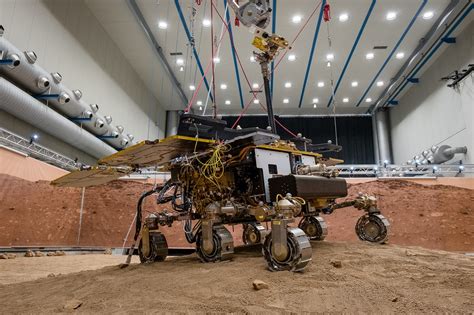
In collaboration with the European Space Agency (ESA) and NASA, Airbus’ upcoming missions will expand humanity’s scientific frontiers. Notably, the company’s contributions to the Orion spacecraft and its role in constructing components of the Lunar Gateway reaffirm its deep integration into the future of international spaceflight.
Strengthening European Defense with Next-Gen Military Power
Airbus’ defense segment drew significant attention, especially in a world facing heightened geopolitical tensions and evolving security challenges. With a firm spotlight on European sovereignty and NATO interoperability, Airbus presented a new era of military readiness powered by precision aerospace technology.
Advanced Military Platforms Unveiled:
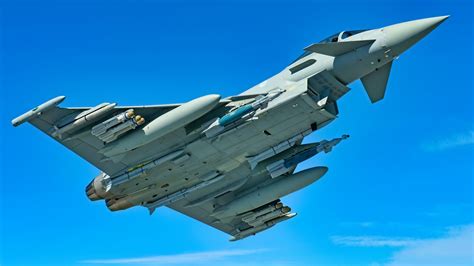
- The Eurofighter Typhoon enhancements, featuring stealth upgrades and AI-assisted systems.
- The latest A330 MRTT (Multi Role Tanker Transport) with autonomous refueling capabilities.
- High-performance Unmanned Aerial Systems (UAS) for intelligence, surveillance, and reconnaissance missions.
These advancements align with the broader EU goals of strategic autonomy and enhanced deterrence. Airbus reaffirmed its partnership with the French Ministry of Armed Forces, Bundeswehr, and other European defense institutions, spotlighting joint research, shared defense infrastructure, and collaborative procurement as critical success factors.
Human Capital: Inspiring the Next Generation of Aerospace Visionaries
Beyond steel and silicon, Airbus brought human talent to the forefront through the Avion des Métiers exhibit. This immersive zone introduced visitors—especially students and young professionals—to the diverse array of career paths in aerospace engineering, maintenance, design, and AI integration.
Experts led interactive workshops, simulations, and mentoring sessions designed to ignite curiosity and cultivate future talent. The message was clear: the technologies of tomorrow require investment in people today. Airbus also announced scholarship expansions and partnerships with European universities to bolster STEM education pipelines across the continent.
A Vision for a Unified Aerospace Future
The Airbus Pavilion was more than a display hall—it was a statement of purpose. Interactive kiosks, scale models, and immersive VR simulations helped articulate a single, powerful narrative: that sustainable progress, scientific discovery, and global security can all be achieved through aerospace innovation.
The synergy between Airbus’ divisions—Commercial Aircraft, Defence and Space, and Helicopters—was evident in the coordinated display of cross-sector integration. For instance, satellite-fed data networks designed for space use also enhance battlefield communications, while aviation decarbonization research finds applications in defense and disaster relief operations.
International Partnerships Driving Aerospace Transformation
Another key theme was strategic partnerships. From hydrogen research agreements with Saudi Arabia and Japan, to joint defense development with France, Germany, and Spain under the Future Combat Air System (FCAS) program, Airbus reiterated that no single entity can tackle the challenges ahead alone.
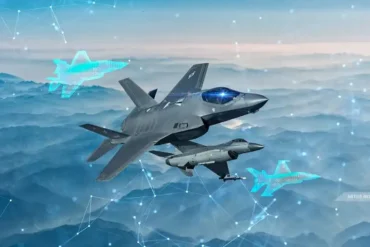
The FCAS initiative, one of the EU’s most ambitious defense programs, saw new milestones at the show, including the unveiling of an experimental NGWS (Next-Generation Weapon System) demonstrator. This collaboration promises to redefine European air superiority in the decades to come.
Conclusion: Airbus Charts the Path Forward
As the sun set on another historic edition of the Paris Air Show, Airbus emerged not just as a manufacturer, but as a global steward of aerospace transformation. Through its multi-domain innovations, it delivered a compelling vision that connects cleaner skies, deeper space ambitions, and stronger defense capabilities.
By combining world-class engineering with visionary strategy, Airbus is not only shaping the future of flight—it’s helping to shape the future of the planet, and the stability of the world that depends on it.