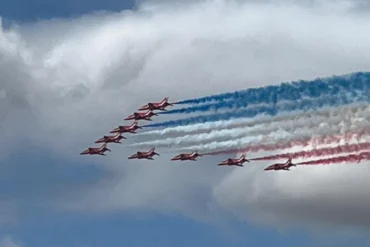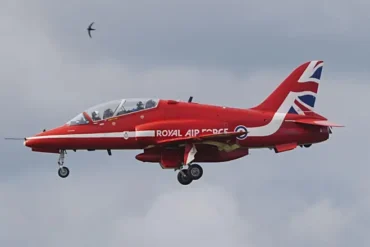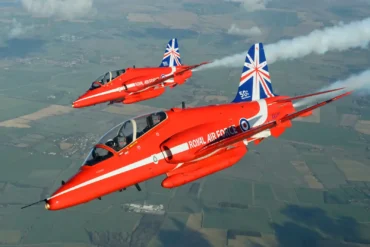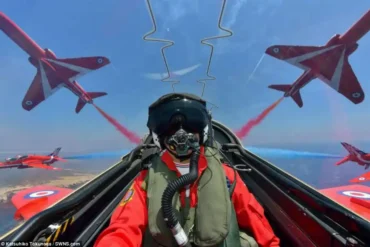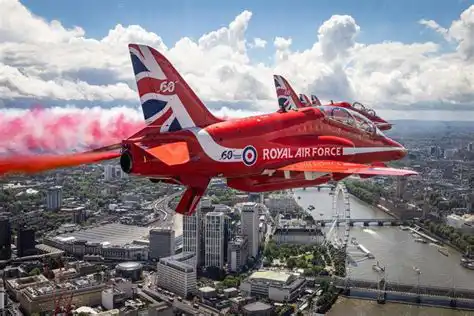
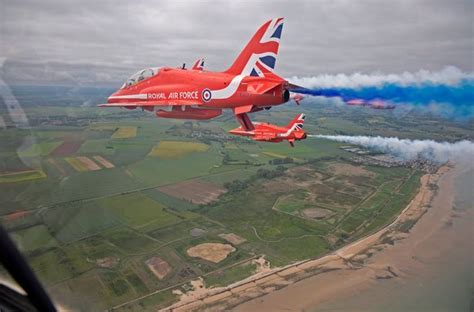
In a landmark shift toward eco-conscious aviation, the Royal Air Force’s world-renowned aerobatic team, the Red Arrows, is embracing sustainable aviation fuel (SAF) for its high-profile public performances. During the 2025 Royal International Air Tattoo (RIAT), scheduled from July 18 to 20 at RAF Fairford, the Red Arrows will take to the skies powered not only by SAF but also Hydrotreated Vegetable Oil (HVO)—a renewable biofuel that will generate their iconic vapour trails.
This is not the first SAF-powered appearance for the elite nine-ship aerobatic team. On June 14, 2025, the Red Arrows completed a historic SAF flypast over London in celebration of HM King Charles, setting the stage for what will now become a central feature of their participation at the world’s largest military airshow. However, the upcoming RIAT event will mark the first time both SAF and HVO are used during aerobatic performances, a milestone in the military aviation world.
RAF’s Bold Green Strategy: Flying Toward Energy Resilience
The RAF’s decision to incorporate SAF into its operational and ceremonial routines is not just a symbolic gesture—it is part of a larger, strategic movement to reduce reliance on global fossil fuel supply chains, improve energy security, and enhance operational resilience. According to the official RIAT statement, the Red Arrows will perform three displays using SAF throughout the airshow weekend. They will also feature prominently in special formation flypasts, showcasing both aerobatic skill and technological evolution.
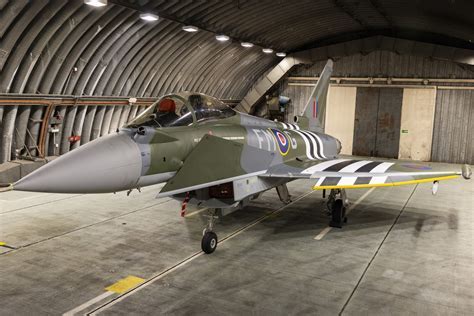
This year’s green evolution won’t be limited to the Red Arrows. The RAF Typhoon Display Team, which made history with its first-ever SAF-powered display at RIAT 2024, will return for another 100% SAF-powered routine. The commitment of both teams marks a decisive step forward in normalizing sustainable fuel use in high-performance military aircraft.
The 2025 RIAT event is expected to attract over 170,000 spectators, making it the ideal stage to demonstrate the future of sustainable flight. Support for these SAF-powered missions comes from several forward-thinking partners, including Air Space Intelligence, Intel Foundry, and Team Lewis. Power Electrics is supplying HVO, while AFS Aviation is providing the sustainable jet fuel that powers these extraordinary performances.
A Timeline of Green Innovation: From Concept to Airshows
The RAF’s exploration into sustainable aviation began well before 2025. In November 2021, a significant milestone was achieved when a microlight aircraft flew powered by synthetic fuel made from air and water—a scientific feat with profound implications. Just a year later, in 2022, the RAF’s Airbus A330 MRTT Voyager completed a 90-minute flight using 100% SAF, becoming the first large military aircraft to do so.
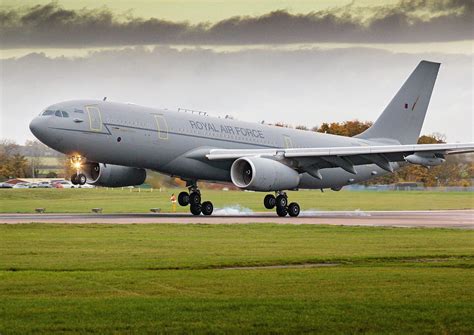
Momentum continued to build into 2023, when the Voyager performed a routine air-to-air refueling mission using a SAF blend (around 43–48%) to refuel a Typhoon and a C-130J Hercules. Each new test has been a deliberate step in proving that military operations can adapt to green fuels without compromising performance.
These trials have also allowed engineers and scientists to study the real-world impacts of SAF on engine wear, emissions profiles, and fuel efficiency, helping to build the technical foundation necessary for broader military adoption.
The Complex Chemistry of Sustainable Aviation Fuel
SAF isn’t a single compound—it’s an umbrella term for fuels derived from renewable or waste-based feedstocks. These include used cooking oil, animal fats, agricultural waste, forestry residues, and even municipal solid waste. By using such materials, SAF can achieve a carbon emissions reduction of up to 80% over the full lifecycle, according to assessments by the International Air Transport Association (IATA).
The production process for SAF varies depending on the feedstock and technology. One of the most common methods is HEFA-SPK (Hydroprocessed Esters and Fatty Acids – Synthetic Paraffinic Kerosene), which refines oils and fats into jet fuel. Another promising pathway is Power-to-Liquid (PtL), which uses electrolysis and captured CO₂ to create synthetic hydrocarbons.
Yet, challenges persist. The cost of SAF remains significantly higher than traditional Jet A-1 fuel. Furthermore, supply chains are underdeveloped, and feedstock availability is geographically uneven. While countries like the UK prioritize used cooking oil, much of it is imported from Asia, ironically contributing to shipping emissions. Maritime transport alone contributes about 2% of global CO₂ output, undercutting some of SAF’s intended climate benefits.
Voices of Optimism—and Skepticism
The RAF’s SAF program has drawn both applause and scrutiny. Kate McKinley, Director of People and Sustainability at Royal Air Force Charitable Trust Enterprises, hailed the Red Arrows’ green turn as a landmark event:
“Their nine-ship team are known across the world, so we are delighted to be hosting this landmark display here at RAF Fairford. In 2024 we were lucky enough to secure the RAF Typhoon’s first public display on SAF and being able to continue the Typhoon for another year and add the Red Arrows is great for us as an event.”
But not all experts are sold on SAF’s long-term viability. Sir Dieter Helm, Professor of Economic Policy at the University of Oxford, questioned the true sustainability of these fuels:
“It’s very hard to think there is such a thing as a sustainable aviation fuel. There are aviation fuels that are less polluting than those currently used, and you can use elements of biofuel and chip fat and so on.”
This reflects a broader philosophical divide in the industry: Is SAF a silver bullet or merely a bridge technology? Many airlines and defense agencies have begun adjusting their sustainability targets to account for technological uncertainties, with some, like Air New Zealand, switching from absolute reduction targets to flexible emissions tracking models.
From Stunts to Strategy: Why This Matters for Global Aviation
What may appear to the public as a symbolic airshow performance is, in reality, a calculated demonstration of military readiness, innovation, and strategic energy adaptation. The Red Arrows flying on SAF at RIAT isn’t just about public relations—it’s a message to the defense sector and global aviation industry alike that sustainability can be operationalized.
The military implications are significant. With SAF, the RAF reduces its dependence on volatile global oil markets, and potentially enhances fuel security in remote theaters of operation. Moreover, this shift aligns with the UK Ministry of Defence’s broader goal of achieving Net Zero carbon emissions by 2050—a target that is politically ambitious and technically daunting.
Conclusion: A Green Trail for Future Skies
The Red Arrows’ transition to SAF at RIAT 2025 is not just a footnote in aviation history—it’s a turning point in the narrative of sustainable flight. While challenges such as cost, scale, and authenticity of sustainability claims remain unresolved, the RAF’s proactive role in championing this transformation demonstrates a critical leadership role in the aviation sector’s decarbonization journey.
As the thunderous roar of Hawk jets echoes over RAF Fairford this July, it won’t just be an airshow—it will be a statement of intent. The trails they leave behind may now be green in more ways than one: a signal that the future of aviation need not be tethered to fossil fuel combustion. For a world grappling with climate crisis and energy transitions, that’s a message worth watching—and hearing—loud and clear.