The Royal Air Force (RAF) has strongly pushed back against recent reports suggesting the Red Arrows, Britain’s iconic aerobatic team, are in crisis due to a dwindling fleet and a severe lack of replacement parts. These reports, first circulated by tabloid media, claimed that the team was being forced to salvage components from grounded aircraft in order to keep flying.
A dramatic shift in tone followed on Wednesday when the Ministry of Defence (MoD) issued a public rebuttal, labeling the rumors as “false” and reiterating its commitment to the Red Arrows’ continued presence at domestic and international air shows. Concerns had mounted over the Hawk T1 jets that form the backbone of the Red Arrows’ aerial performances, with suggestions the aircraft inventory had shrunk alarmingly — from 26 in early 2025 to just 17.

The iconic “diamond nine” formation — a fixture at major air shows and national events — was feared to be under threat, with sources speculating the fleet could be slashed to as few as six operational jets by 2028. Such a reduction would effectively dismantle the visual and symbolic core of Red Arrows’ display heritage. However, the RAF maintains that it has “sufficient aircraft in the fleet” to continue full performances.
Hawk T1: The Aircraft at the Center of the Debate
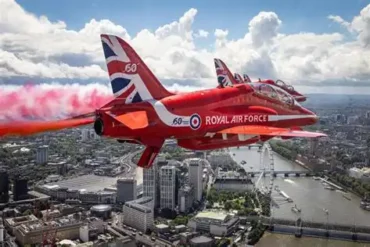
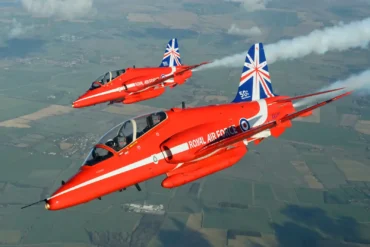
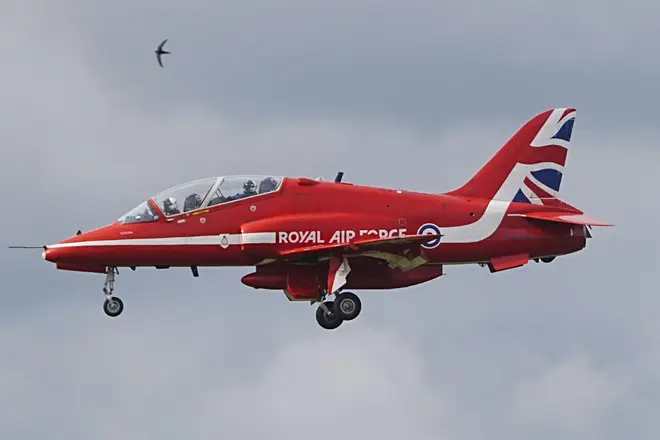
The Red Arrows have flown the BAE Systems Hawk T1 since 1979, a jet synonymous with their high-speed, precision aerobatics. Despite its age, the Hawk T1 remains agile and reliable — but its prolonged service has strained maintenance logistics. Replacement parts have become scarcer, and cannibalizing grounded aircraft for spares has been described by insiders as a growing necessity.
A source quoted by The Sun earlier this week stated bluntly: “Planes can only fly so many shows before they need new parts. So either they get new planes or they have to cancel shows.”
This grim outlook raised immediate questions about whether the RAF has a sustainable plan to maintain the Red Arrows’ operational capability, especially given the Hawk T1’s scheduled retirement date. Industry observers note that sourcing parts for jets no longer in production often means relying on aftermarket suppliers or decommissioning other aircraft for inventory.
MoD Denial and Strategic Reassurance
The Ministry of Defence responded swiftly, aiming to quell fears of a Red Arrows stand-down. A spokesperson stated: “The Red Arrows will continue to use the Hawk to perform displays and flypasts until their out-of-service date and have sufficient aircraft in the fleet to do so.”
Moreover, the MoD clarified that it is actively collaborating with industry partners to keep the aircraft airworthy through effective maintenance strategies. While the RAF has not officially disclosed whether any international components or interim aircraft have been sourced, officials remain adamant that the fleet is not in imminent jeopardy.
Is a Replacement on the Horizon?
Despite the firm denials, the absence of a clear replacement strategy for the Hawk T1 casts a long shadow over the future of the Red Arrows. Internal RAF discussions have reportedly examined multiple jet options, yet no successor has been publicly named.
Speculative reports even suggested that Russian-manufactured jets were being considered — a notion quickly dismissed by aviation experts who stress that the Red Arrows have exclusively flown British aircraft for their 61-year history. Such a pivot would be controversial and politically charged, particularly amid ongoing tensions with Moscow.
There is widespread consensus that any successor must not only meet aerodynamic and operational benchmarks, but also preserve the aesthetic and symbolic identity of the Red Arrows, which serve as both a morale booster and soft-power emblem for British military aviation.
The Airshow Legacy: National Pride in Red Paint
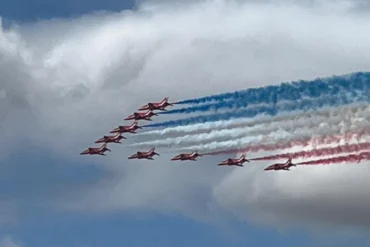
From Farnborough to Cosford, the Red Arrows are more than just a flying team — they are an enduring national symbol. Their red, white, and blue smoke trails have celebrated royal jubilees, Olympic ceremonies, and state visits. During the recent RAF Cosford Airshow 2025, the team’s performance reaffirmed their appeal and resilience.

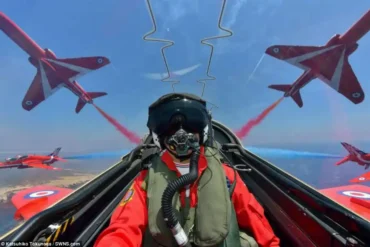
Thousands gathered to watch the jets thunder through the skies in perfect synchronization, offering visual proof that — despite internal challenges — the Red Arrows remain airborne and awe-inspiring.
Local reports this week described the team soaring over Norwich, training and thrilling residents beneath with their iconic formations. These displays bolster public support and underscore the RAF’s efforts to maintain confidence amidst swirling rumors.
Financial and Political Dimensions
Part of the growing scrutiny lies in the defense budgetary constraints facing the UK. Maintaining legacy aircraft like the Hawk T1 can be costlier than replacing them, yet the upfront investment for a new display fleet is substantial.
According to insiders, options for replacements — such as upgraded versions of the Hawk, or even newer British-designed trainers — are under evaluation. However, the procurement process is time-consuming and subject to rigorous specification reviews, airworthiness assessments, and funding allocations.
Meanwhile, defense critics argue that the prestige value of the Red Arrows — as both a recruiting tool and a cultural icon — justifies prioritized investment. These voices emphasize that failure to act soon could result in an irreversible decline of British air display excellence.
Looking Forward: Sustaining the Skies
The future of the Red Arrows hinges on several interconnected decisions. Chief among them is whether the Ministry of Defence will commit to an accelerated replacement programme for the Hawk T1, or continue patching the fleet with stopgap measures.
In the short term, the RAF appears confident it can maintain performance levels, citing partnerships with BAE Systems and other aerospace contractors to manage repairs and logistics. However, with the 2028 fleet projection as low as six aircraft, the clock is ticking.
As the Red Arrows prepare for another season of high-profile events — including flypasts for Trooping the Colour and international airshows — public enthusiasm remains high. Spectators, aviation buffs, and veterans alike see the team as a source of national pride and unity, especially in challenging times.
But behind the visual spectacle lies a complex, urgent debate about sustainability, modernization, and military priorities. Unless addressed transparently and decisively, the crisis — denied or not — may outpace the spin.
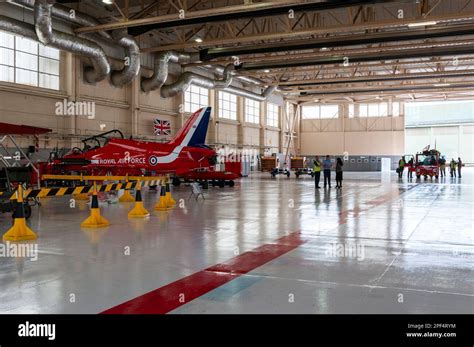
For now, the Red Arrows remain airborne. But whether they continue to soar beyond 2028 in their current form depends on what happens next — behind the hangar doors.