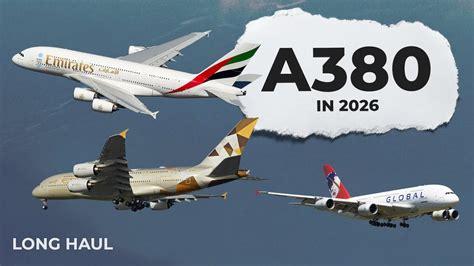
The Airbus A380, once celebrated as the pinnacle of passenger aviation engineering, was expected to quietly exit the skies, eclipsed by smaller, more fuel-efficient aircraft. The onset of the COVID-19 pandemic in 2020 accelerated this trajectory, forcing airlines to retire their superjumbos amid plunging travel demand. Viewed as excessively large, operationally costly, and challenging to maintain in a rapidly evolving long-haul market, the A380 seemed destined for storage or the scrapyard. Yet, within just a few years, these leviathans of the air staged an unexpected comeback. Airlines, grappling with surging international travel and ongoing delivery delays of next-generation widebodies like the Boeing 777X, began reactivating previously retired aircraft. Underpinning this revival is a sophisticated ecosystem of dismantlement and parts reclamation that has transformed grounded A380s into some of aviation’s most valuable spare-part reservoirs.
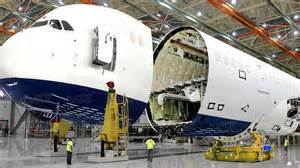
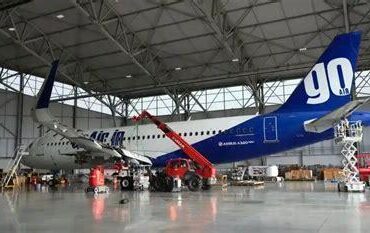
The phenomenon hinges on the intricate industrial circularity that dismantling operations provide. Retired A380s, parked in arid desert storage or specialized teardown centers, are meticulously harvested for components that can extend the operational life of active fleets. From avionics systems to landing gear, hydraulic assemblies, and engine components, the harvested material is certified for reuse, creating a secondary market that is crucial for airline maintenance strategies. In April 2025, Airbus formalized this approach by selecting VAS Aero Services to manage the dismantling of three retired aircraft in collaboration with Tarmac Aerosave at Tarbes, France—a site already renowned as a European hub for aircraft storage and recycling. This project, involving two former Lufthansa A380s and one ex-Malaysia Airlines airframe, underscores how teardown operations have evolved from niche enterprises into central infrastructure supporting the global superjumbo network.
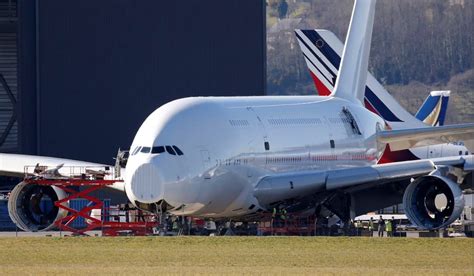
The selected aircraft for dismantling—Lufthansa’s D-AIME and D-AIMF, and Malaysia Airlines’ 9M-MNC—each represent a repository of millions of dollars’ worth of reusable systems. These airframes were grounded during the pandemic, reflecting the widespread halt in passenger operations. Lufthansa, after initially retiring several A380s, reactivated a subset to meet rising long-haul demand. Malaysia Airlines, on the other hand, found the economics of operating ultra-large aircraft unsustainable and chose permanent retirement for some of its fleet. Despite their grounded status, these airframes remain indispensable to operators due to their vast inventory of serviceable parts, especially as Airbus ceased A380 production in 2021 after delivering only 251 units plus three prototypes. Each retired airframe effectively functions as a strategic stockpile, providing critical support to active fleets across Europe, the Middle East, and Asia.
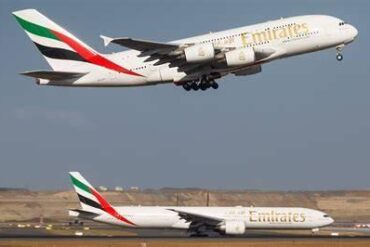
The delay of the Boeing 777X has magnified the A380’s strategic relevance. Initially anticipated to replace aging widebody fleets, the 777X’s certification and production setbacks, now projected to extend into 2026, left airlines with a significant capacity gap. Carriers such as Emirates, Qatar Airways, and Singapore Airlines, which had planned gradual replacement of their high-capacity long-haul aircraft, have instead been compelled to retain or reactivate their A380 fleets. Emirates, in particular, continues to operate the world’s largest A380 contingent, citing the aircraft as essential for maintaining seat availability on congested international corridors. These operational pressures have created a corresponding surge in demand for spare parts, turning retired A380s into an essential lifeline for maintenance operations, reducing downtime, and stabilizing costs amid constrained supply chains.
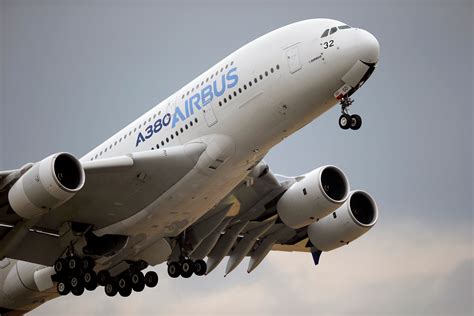
The harvesting process itself has matured into a highly technical operation. Modern teardown facilities employ engineers and specialists who systematically extract, catalog, inspect, and certify thousands of components. Recoverable systems include flight computers, avionics suites, auxiliary power units, landing gear assemblies, cabin systems, and hydraulic and structural elements. The complexity is compounded by the A380’s scale; as the largest passenger aircraft ever built, it contains more wiring, mechanical systems, and cabin infrastructure than smaller widebodies such as the Boeing 777 or Airbus A350. Recovery is far from a simple scrapping process: it involves months of planning, rigorous inspections, and precise logistics to ensure components meet certification standards before reentering global circulation.
The reliance on harvested components is not merely operational but also strategic. Supply chains for aerospace electronics, castings, forgings, and engines are often constrained, making newly manufactured parts both expensive and slow to acquire. By contrast, certified components from retired A380s offer rapid, cost-effective access to essential inventory. This secondary market allows airlines to maintain fleet readiness without incurring the high costs or long lead times associated with producing brand-new components. The practice has become an operational necessity; without this pipeline, maintaining an aging fleet of A380s in peak condition would be far more challenging, potentially forcing airlines to curtail routes or reduce passenger capacity.
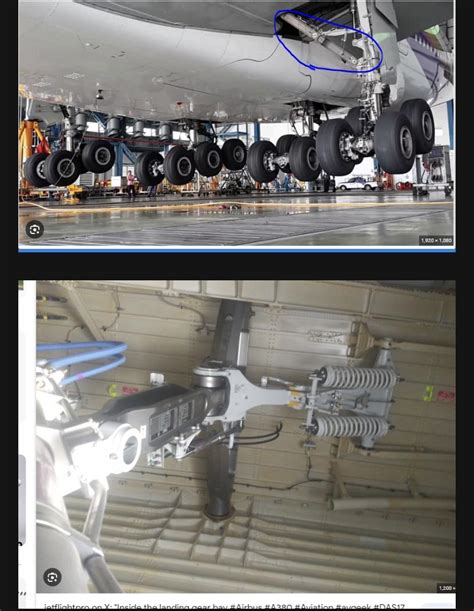
Tarbes, France, has emerged as a global epicenter for this dismantling work. Operated by Tarmac Aerosave, the facility specializes in storage, maintenance, transition support, and end-of-life disassembly for commercial aircraft. Over the past decade, Tarbes has evolved into a critical node for Europe’s aircraft recycling sector. Here, dismantlement is executed with precision, emphasizing traceability, environmental compliance, and circular economy efficiency. Airframes are processed through meticulously managed programs designed to extract maximum reusable value while minimizing waste. Metals, electronics, composites, and mechanical systems are systematically harvested before residual materials are recycled, reflecting the broader industrialization and sophistication of aviation recycling.
The commercial stakes are significant. The global aircraft disassembly and recycling market is projected to reach $14.72 billion by 2033, driven by a combination of sustainability mandates and asset optimization strategies. Retired aircraft are no longer merely obsolete; they are increasingly recognized as long-term inventory platforms capable of sustaining operational fleets for decades. The circular approach not only prolongs the utility of critical components but also supports environmental goals by reducing the energy, materials, and emissions associated with manufacturing replacements from scratch. For the A380, this model allows airlines to extract maximum value from an aircraft that was originally designed for a lifespan of multiple decades, reinforcing its continued strategic relevance.
The dependency of active A380s on their retired counterparts illustrates the integrated nature of modern aviation aftermarket ecosystems. Parts removed from a grounded aircraft in Europe may be refurbished, recertified, and installed on an operational aircraft in the Middle East or Asia within weeks. This global redistribution system is essential in a landscape where production bottlenecks and delayed deliveries constrain access to new components. For operators, the secondary market is not just a cost-saving measure—it is central to daily fleet operations. The reuse of certified systems ensures that aircraft can remain in service longer, maintaining route capacity, operational reliability, and financial performance.
Beyond operational efficiency, the reuse of parts also aligns with aviation’s growing emphasis on sustainability. Extending the life of avionics, engines, and structural components reduces the environmental footprint of aircraft maintenance, curtails raw material extraction, and diminishes the energy required for new production. This circular approach is increasingly viewed as a critical component of responsible fleet management. The A380, once considered a high-cost anomaly in commercial aviation, has thus become a case study in industrial adaptability, demonstrating that strategic utilization of retired assets can deliver both economic and ecological value.
The process of transforming retired A380s into spare-part reservoirs is not only technically demanding but also economically potent. Each salvaged airframe contains millions of dollars in reusable parts, creating a market where the cost of maintaining active aircraft can be significantly reduced. Landing gear assemblies alone, often valued at several hundred thousand dollars per set, exemplify the tangible savings that airlines realize by leveraging this secondary market. Avionics suites, auxiliary power units, and hydraulic systems similarly represent substantial financial and operational value, particularly as production timelines for replacements remain uncertain.
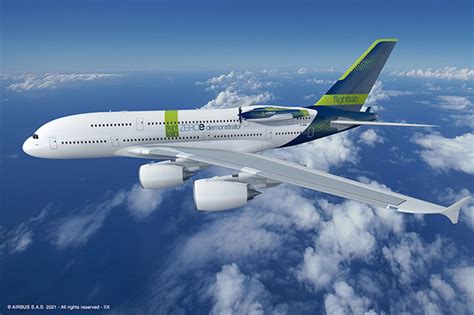
As the global aviation industry continues to contend with fluctuating travel demand, supply-chain constraints, and environmental pressures, the role of dismantled A380s becomes increasingly critical. Airlines are learning that retiring aircraft prematurely may undermine long-term operational flexibility, whereas strategic teardown and parts harvesting can bolster fleet resilience. Each component recovered from a retired A380 contributes to maintaining seat capacity on vital routes, avoiding costly disruptions, and sustaining airline profitability. The system also fosters resilience by decentralizing access to spare parts, reducing dependence on long, fragile manufacturing pipelines, and enabling a rapid response to unforeseen maintenance needs.
The Airbus A380’s journey from being the world’s largest passenger aircraft to becoming a cornerstone of the aviation aftermarket exemplifies a profound shift in industry thinking. It illustrates how an aircraft can retain strategic significance long after production ends, with retired airframes serving as linchpins for global fleet maintenance. The coordinated ecosystem of teardown specialists, logistics providers, and MRO facilities ensures that every active A380 benefits from parts harvested from its grounded siblings. This interconnected framework demonstrates the maturation of aviation’s secondary market, where industrial circularity, economic pragmatism, and operational necessity converge to sustain one of the most iconic aircraft ever built.
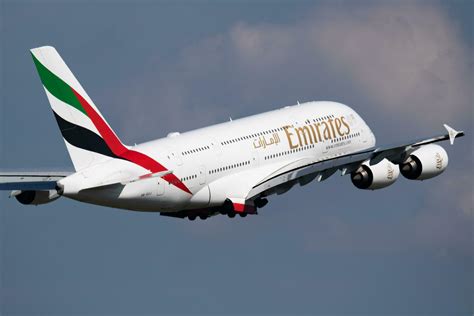
Ultimately, the story of the Airbus A380 underscores the value of adaptability in aviation. Amid delayed deliveries, production bottlenecks, and surging international travel, airlines have turned to retired superjumbos as strategic assets rather than obsolete relics. Teardown operations not only extract essential components but also extend the functional life of the fleet, stabilize maintenance costs, and support global supply chains. As the aerospace industry continues its transition toward more efficient, lower-emission aircraft, the lessons learned from the A380 spare-parts ecosystem highlight the enduring importance of legacy fleets in a rapidly evolving market. Through careful dismantling, certification, and redistribution, the A380 continues to fly—not just as an aircraft in the sky, but as a critical enabler of aviation’s operational and economic infrastructure.
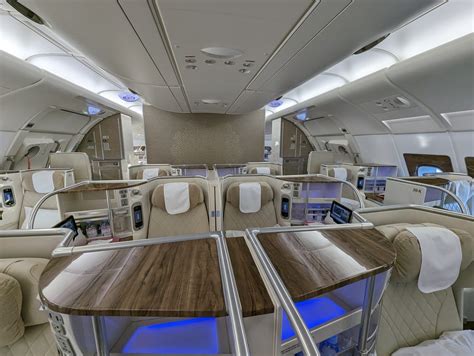
From its initial promise as a revolutionary superjumbo to its current role as aviation’s most valuable parts donor, the Airbus A380’s legacy is defined by resilience and ingenuity. Each retired airframe, once thought destined for obscurity, has become a strategic reservoir, sustaining the global fleet and exemplifying the power of industrial circularity. In the complex choreography of international air travel, the A380 teaches a vital lesson: value in aviation is rarely lost forever—it can be harvested, recertified, and flown again, in a form just as essential as when the aircraft first entered service. Today, more than ever, every active A380 is dependent on its grounded counterparts, transforming the concept of retirement from finality into a pivotal stage of operational lifecycle management.