Aviation Resource Management (ARM) is a critical function within the United States Air Force, categorized under the 1C0X2 Air Force Specialty Code (AFSC). While it may not command the immediate attention of high-profile operational careers, its behind-the-scenes role supports every flying mission, maintaining a seamless flow of administrative and operational data for pilots, aircrew, and leadership. In this deep-dive article, we examine the essential responsibilities, working conditions, skill sets, and career progression associated with this AFSC.
What is Aviation Resource Management?
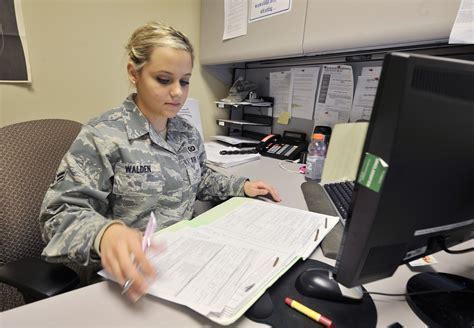
Aviation Resource Management encompasses the meticulous oversight of flight records, aircrew training, flight pay entitlements, and various certifications that directly impact mission readiness. As the backbone of aircrew scheduling and qualifications tracking, 1C0X2 personnel manage the administrative heartbeat of aviation operations.
Those in ARM operate in two primary environments:
-
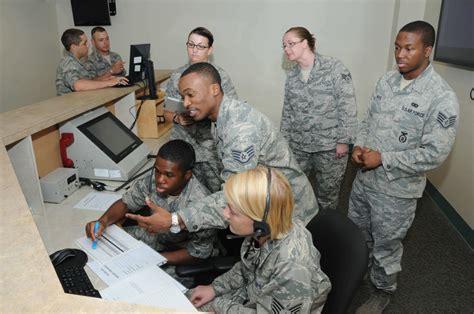
Squadron Aviation Resource Management (SARM): Located at the squadron level, closely supporting flying missions.
-
Host Aviation Resource Management (HARM): Higher-level positions overseeing base-wide aviation resource functions.
ARM specialists ensure all flight data is accurate, up-to-date, and aligns with Air Force Instructions (AFIs), DAFMANs, and other governing documentation. Without them, missions risk legal, financial, and safety pitfalls.

Core Responsibilities of a 1C0X2
Daily duties can vary by base, mission tempo, and position (SARM vs. HARM), but common responsibilities include:
-
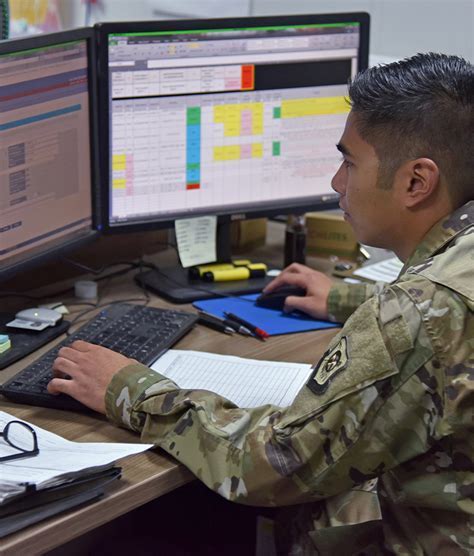
Logging flight hours and mission data
-
Monitoring aircrew qualifications and alerting leadership to expiring certifications
-
Processing flight incentive pay and handling entitlements such as hazardous duty incentive pay (HDIP)
-
Coordinating aircrew training programs, including simulator schedules
-
Managing Go/No-Go readiness systems to ensure only mission-ready crew are dispatched
-
Producing flight data reports for commanders and higher headquarters
Accuracy is paramount. Small data entry mistakes can delay pay, ground aircrews, or even jeopardize evaluations and deployments.
Work Schedule and Lifestyle
The work schedule for ARM personnel largely mirrors the flying schedule. This means:
-
Standard hours often range from 40–50 hours a week.
-
Expect variability depending on the unit’s operational tempo.
-
During high-readiness periods, longer days—up to 10–12 hours—can occur.
While ARM is considered administrative, the job isn’t devoid of stress. There are peak periods, especially during inspections, evaluations, or mission surges. Yet, many airmen find the work-life balance preferable compared to more demanding AFSCs such as maintenance or operations.
“Hours are good, they usually follow the flying schedule. You can go to any base in the world, which is nice. Tech school’s a piece of cake.” — Former 1C0X2
Training and Education Path
New enlistees in the 1C0X2 career field begin with Basic Military Training (BMT), followed by technical school at Keesler Air Force Base, Mississippi. The formal course is relatively short and straightforward. Most learning happens through on-the-job training (OJT) at assigned duty locations.
Subjects covered include:
-
Use of Aviation Resource Management System (ARMS)
-
Air Force policies and regulations
-
Training cycle tracking
-
Pay entitlement codes
After tech school, airmen enter the upgrade training pipeline:
-
3-level (Apprentice): After graduation
-
5-level (Journeyman): Requires time in service, OJT, and Career Development Courses (CDCs)
-
7-level (Craftsman): Requires rank (typically SSgt), additional training, and supervisory experience
Career Prospects and Duty Locations
One of the often-cited benefits of a 1C0X2 career is global assignment flexibility. ARM personnel can be stationed anywhere there is flying, from fighter wings in Europe to reconnaissance squadrons in Asia.
Promotion opportunities align with Air Force timelines. As members gain experience, they may pursue supervisory roles, specialize in ARMS database management, or work at Numbered Air Force or MAJCOM levels.
Some airmen transition to positions such as:
-
ARMS Functional Manager
-
Training Coordinator
-
Flight Records Auditor
Real-World Applications and Transferable Skills
ARM is a highly Air Force-specific field, which means civilian crossover can be limited. However, there are still valuable, transferable skills:
-
Attention to detail: Useful in finance, logistics, and compliance roles
-
Data entry and recordkeeping: Applicable in administrative careers
-
Knowledge of military aviation systems: A plus for contractors working with defense aviation firms
Those who leave the military may pivot to administrative roles, project coordination, or aerospace support positions within civilian organizations or government agencies.
“There’s not much on the outside because it’s such an Air Force-specific job. You do get experience with computers and admin systems.” — 1C0X2 Veteran
Challenges of the Career Field
While many appreciate the structured nature of ARM, others cite monotony and undervaluation within squadrons:
-
The role is sometimes treated as a support afterthought, despite its essential nature.
-
ARM personnel may become dumping grounds for extra duties, especially in undermanned units.
-
Supervision and career development can vary greatly by command.
Still, for those who take initiative and master the documentation, AFIs, and process requirements, the field offers plenty of room to excel.
“It’s a job you can excel at very easily, if you read the refs, AFIs, DAFMANs, and AFMANs.” — Former SARM technician
Success Tips for New 1C0X2 Airmen
For those just entering the career field, the path to success is rooted in competence and consistency. Here’s how to stand out:
-
Master your references: Know the governing documents inside out
-
Build strong communication with pilots, commanders, and training officers
-
Keep meticulous records: Mistakes in pay or training logs carry serious consequences
-
Adapt to software changes: ARMS and its associated tools evolve with policy
-
Embrace mentorship: Learn from experienced NCOs to avoid common pitfalls
Is Aviation Resource Management Right for You?
The 1C0X2 field offers a blend of stability, global mobility, and data-driven work that appeals to detail-oriented individuals. If you’re drawn to aviation but not to flying, or if you value clear structure and administrative oversight, this career offers meaningful engagement with real-time mission planning and execution.
However, it is not for thrill-seekers or those seeking rapid excitement and change. ARM thrives on consistency, reliability, and dedicated documentation. Those who succeed are often those who enjoy structure, order, and high standards.
Frequently Asked Questions (FAQ)
What does a 1C0X2 actually do on a daily basis?
A 1C0X2 manages aircrew flight records, logs mission data, monitors training and qualifications, and coordinates with flight commanders to ensure crew readiness. The job is administrative and requires constant attention to detail, especially when managing pay and training eligibility.
Is this a stressful job in the Air Force?
It can be, depending on the tempo of the assigned unit. During major inspections, flying exercises, or deployments, the workload can increase. However, many in the field report reasonable hours and the ability to “leave work at work,” which is rare in many military jobs.
Are there real-world applications for this AFSC after the military?
Civilian crossover is limited due to the Air Force-specific nature of the work, but transferable skills like admin experience, software proficiency, and data integrity make veterans competitive for roles in project management, aerospace support, or federal civil service.