Bader Field: A Cradle of American Aviation
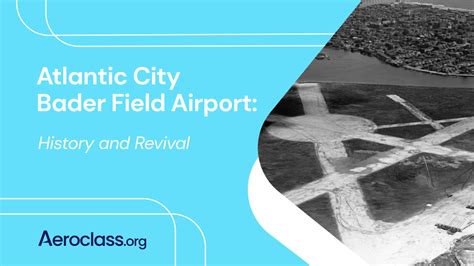
When tracing the roots of American aviation, few places hold as much historical weight as Bader Field in Atlantic City, New Jersey. Originally opened in 1910, Bader Field predates many of the nation’s most iconic airports and stands as one of the first dedicated aviation facilities in the United States. Its legacy stretches far beyond runways and air traffic—it tells the story of innovation, ambition, and transformation through the 20th century.
Origins: From Seaside Spectacle to Aviation Milestone
Before it was an airport, Bader Field began as an exhibition ground for air carnivals, attracting aviation pioneers including the Wright Brothers and Glenn Curtiss. At a time when powered flight was still in its infancy, these airshows dazzled crowds and marked Atlantic City as a hub of aviation experimentation.
In 1919, a local newspaper first coined the term “Air-Port” in reference to Bader Field, solidifying its role in shaping both aviation language and infrastructure. What began as a shoreline novelty evolved rapidly into New Jersey’s first true airfield.
A Strategic Location for Land and Sea
Bader Field’s geography proved to be an asset. Surrounded by water, it was uniquely suited to seaplane operations, a major innovation during the early days of commercial air travel. The Treymore Hotel, in collaboration with Glenn Curtiss, offered seaplane services directly to New York City, positioning Atlantic City as a luxurious and accessible destination for the East Coast elite.
During the Roaring Twenties, Atlantic City flourished not only as a tourist hotspot but as a key player in early aviation. Spearheaded by influential mayor Edward L. Bader, the city acquired and developed the airfield, naming it in his honor. It quickly became a symbol of Atlantic City’s ambition to be more than just a vacation town.
Celebrity Aviators and Historic Moments
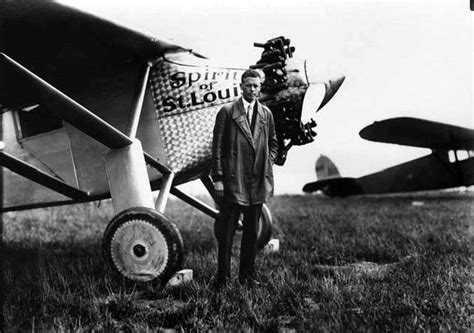
Few airfields in the United States can boast the kind of celebrity visitation Bader Field experienced. Following his transatlantic flight, Charles Lindbergh included Atlantic City on his national goodwill tour, praising Bader Field’s location as one of the best he had seen. He commented:
“The Atlantic City airport has good possibilities and is in an ideal location to the city proper. In fact, it is the best situated in that respect, I think, than any I have yet encountered.”
In 1931, the field was the gathering place for Eddie Rickenbacker, Lindbergh, and Amelia Earhart, as they marked the founding of Eastern Airlines—a carrier that would become a mainstay of American commercial aviation.
Breaking Racial Barriers in the Sky
On July 17, 1933, Bader Field was the stage for a landmark moment in civil rights and aviation history. Dr. Albert Forsythe and C. Alfred Anderson, two African American pilots, departed the airfield on a transcontinental journey to Los Angeles and back—a feat accomplished using only a map and an altimeter. Their aircraft, aptly named the “Pride of Atlantic City,” returned home to a hero’s welcome and a celebratory parade, cementing Bader Field’s role in both technological and social progress.
Military and Civil Defense Legacy
In 1941, with World War II raging in Europe, the Civil Air Patrol (CAP) was founded at Bader Field. This volunteer force conducted aerial patrols over the Atlantic, searching for enemy submarines, helping to safeguard the American coastline during a time of global uncertainty.
Meanwhile, the U.S. Navy took over the facility as a pilot training base, integrating the field further into the national defense apparatus. After the war, modernization efforts included the construction of paved runways, taxiways, and field lighting, preparing the facility for post-war civil aviation.
Infrastructure: Small but Pivotal
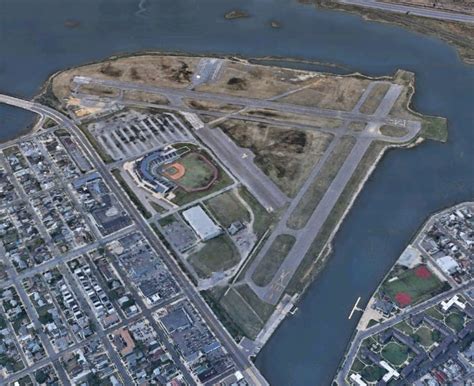
Spanning 143 acres, Bader Field operated under the FAA code AIY, featuring two short runways:
-
Runway 4/22: 2,595 feet long
-
Runway 11/29: 2,948 feet long
Due to these limited lengths, the field could only accommodate STOL (Short Takeoff and Landing) aircraft. While not suitable for large jets, it played a critical role in regional commuter aviation.
The Rise and Fall of Commuter Aviation
During the mid-20th century, Allegheny Airlines, through its affiliate South Jersey Airways, launched scheduled flights from Bader Field using de Havilland Canada DHC-6 Twin Otters. The destinations were tightly linked to East Coast business and political hubs:
-
Philadelphia International Airport (PHL)
-
LaGuardia Airport (LGA)
-
John F. Kennedy International Airport (JFK)
-
Ronald Reagan Washington National Airport (DCA)
-
Long Island MacArthur Airport (ISP)
The field experienced a resurgence in 1978 when casino gambling was legalized in Atlantic City. With the tourism boom, casino junkets regularly touched down at Bader Field, though aircraft size restrictions limited growth. The largest aircraft to operate here was the de Havilland DHC-7, underscoring the field’s infrastructural limits.
Decline and Closure
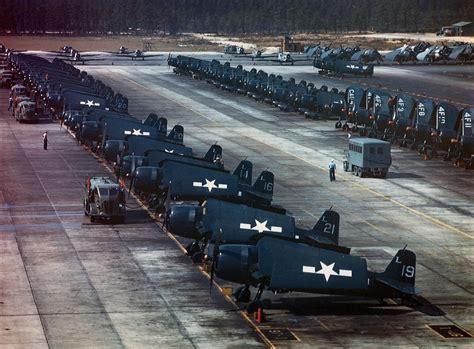
In the late 1980s, US Airways moved all its operations to the larger Atlantic City International Airport (ACY) in Egg Harbor Township. With a 10,000-foot runway, ACY could accommodate wide-body aircraft, including the Airbus A380.
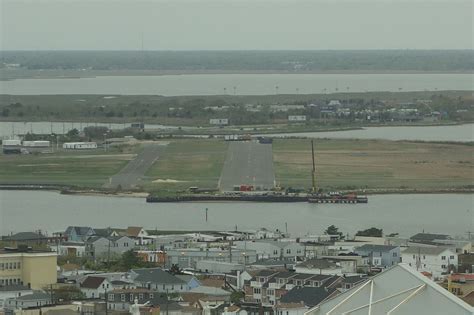
By contrast, Bader Field became increasingly obsolete. Without major airline partners or expansion capabilities, the economic feasibility of maintaining operations waned. On September 30, 2006, Bader Field officially closed its runways forever.
Future Uncertain: A Legacy in Limbo
Since its closure, the land remains under city ownership, and proposals for redevelopment have ranged from residential projects to commercial complexes. Yet, despite multiple plans, the fate of Bader Field remains undecided. Preservationists argue for honoring its legacy, while developers eye its waterfront acreage for high-value ventures.
The once-glorious field that witnessed aviation milestones, civil rights triumphs, and military mobilizations, now stands as a silent relic—a paradox of potential and nostalgia.
FAQ
What made Bader Field historically significant?
Bader Field was one of the first official airfields in the United States and hosted numerous aviation pioneers, including Charles Lindbergh and Amelia Earhart. It was also the birthplace of the Civil Air Patrol and saw the first transcontinental flight by African American pilots.
Why did Bader Field close?
The airfield closed due to its inability to accommodate modern aircraft, economic limitations, and the emergence of Atlantic City International Airport with better infrastructure and longer runways.
Is there any plan to reopen Bader Field as an airport?
Currently, there are no active plans to reopen Bader Field as an airport. Most redevelopment proposals focus on residential or commercial real estate, though discussions around its historical preservation continue.