The conversation around pilot pay in the United States has largely centered on regional jets, where compensation has surged into six-figure territory even for entry-level first officers. What rarely enters that discussion is the quieter layer beneath it: the turboprop and piston operators that still connect hundreds of small communities across the country. In 2026, these pilots represent a professional tier that is essential to aviation infrastructure yet increasingly overshadowed by the economics and attention surrounding jet operations.
This segment of aviation exists in a very different financial reality. While regional jet pilots benefit from aggressive hiring competition among large Part 121 carriers, turboprop and piston pilots often work under Part 135 rules or niche scheduled service frameworks. Their flying is more hands-on, their routes more remote, and their career progression often more gradual. The pay reflects this structural divide, even as the skill required to operate into short runways, uncontrolled fields, and unpredictable weather environments remains high.
The industry’s transformation over the past decade has created a split identity within regional aviation. One side has become a high-paying pipeline to major airlines, while the other continues to function as both a lifeline for rural connectivity and a training ground for future ATP-qualified pilots. In 2026, that divide has never been more visible in compensation, aircraft type, and long-term career expectations.
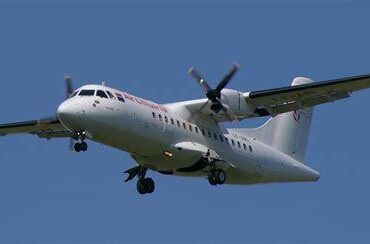
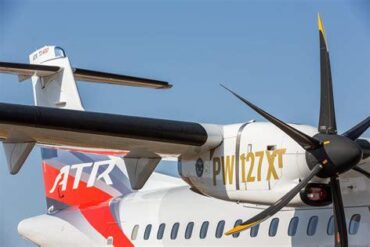
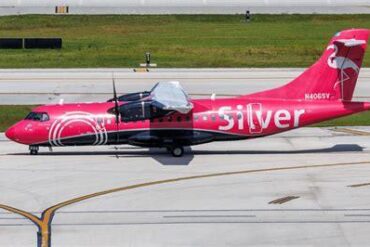
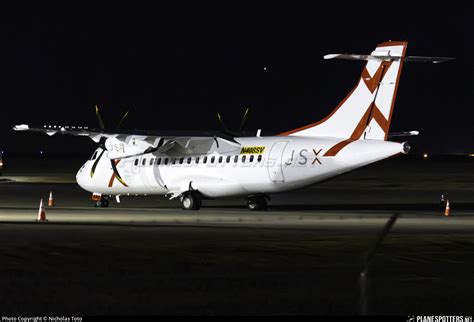
JSX’s introduction of the ATR 42-600 into its semi-private network marks one of the few modern expansions of turboprop flying in US scheduled service, but even this development highlights how limited the market has become for such aircraft in mainstream regional airline operations.
The 2026 Pay Structure for America’s Turboprop and Piston Pilots
In 2026, the pay scale for turboprop and piston pilots in the United States remains highly fragmented, shaped more by operator type than by a unified industry standard. At the upper end of this segment, carriers like JSX offer comparatively strong compensation for turboprop operations, with first officers earning around $35,000 in their first year and experienced captains reaching approximately $135,000. While this captain figure begins to approach regional jet first-year officer pay, it requires years of seniority within a small, tightly structured operation.
Most Essential Air Service (EAS) carriers sit significantly lower on the scale. Operators such as Boutique Air, Southern Airways Express, and similar contract-based airlines typically fly aircraft like the Pilatus PC-12 or Cessna Caravan. First officers in these environments often earn between $40,000 and $55,000, while captains may range from $65,000 to $90,000, depending on experience, route structure, and overtime availability.
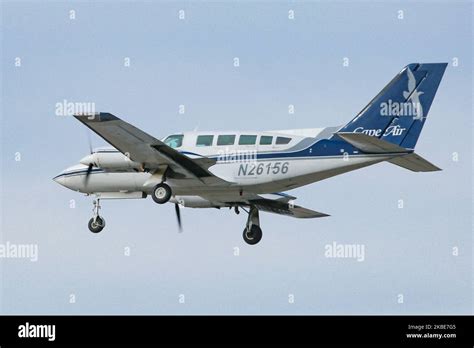
Cape Air occupies a somewhat unique position within this landscape. Operating piston-powered aircraft such as the Cessna 402 alongside newer turboprop-adjacent platforms like the Tecnam P2012, it represents one of the most established entry points into professional flying in the US. Historical compensation data shows first-year captains earning around $89,000, with second-year captains exceeding $100,000 when including guarantee hours and incentive pay.
What stands out in 2026 is not just the pay gap between turboprops and jets, but the divergence in career intent. Regional jet flying is increasingly treated as a direct airline career track, while turboprop and piston flying often serves as an intermediary phase—a way to accumulate turbine time, IFR experience, and operational maturity before moving upward.
Why Turboprop Flying Still Exists in a Jet-Dominated Market
Despite the dominance of regional jets, turboprop aircraft continue to survive in the US market because they solve a very specific operational problem: economics on short, thin routes. Aircraft like the ATR 42 or Cessna Caravan are designed to operate profitably where passenger demand does not justify jet frequency or where runway constraints limit jet accessibility.
Turboprops achieve efficiency through lower fuel burn at slower cruise speeds and superior short-field performance. This makes them ideal for airports with limited infrastructure, particularly in rural Alaska, the Great Plains, and parts of the Midwest where runway length, weather variability, and demand density all constrain jet operations. While passengers often perceive propeller-driven aircraft as outdated, from an operator’s perspective they remain the most cost-effective solution for specific route structures.
From a pilot’s perspective, these aircraft introduce a different operational rhythm. Turboprop flying requires closer engagement with weather systems, more frequent decision-making in uncontrolled airspace, and a greater tolerance for variability in airport conditions. These factors contribute to the perceived “training value” of the jobs, which historically has been used to justify lower compensation levels.
The Regional Jet Pay Surge and Its Ripple Effect
The most important force shaping turboprop pilot salaries in 2026 is not turboprops themselves, but the explosion in regional jet pay. Over the past decade, first-year first officers at major US regional carriers have moved from earning roughly $20,000–$30,000 annually to between $80,000 and $110,000. This shift fundamentally altered pilot labor dynamics.
The catalyst was a tightening labor market driven by mandatory retirement cycles, accelerated post-pandemic hiring at major airlines, and the rigid 1,500-hour ATP requirement. As mainline carriers aggressively recruited from the regional pool, regional airlines were forced to raise pay rapidly to maintain staffing levels. What emerged was a competitive compensation environment that effectively redefined entry-level jet flying as a mid-income profession rather than a low-wage apprenticeship.
Turboprop and piston operators were largely unaffected by this escalation. Their business models are smaller, more contract-driven, and often tied to government-subsidized Essential Air Service routes. As a result, they do not compete directly for the same pilot pool with the same urgency. Many pilots still enter these roles as a stepping stone, not a destination, which further stabilizes lower wage structures.
The result is a widening gap: jet pilots experience rapid early-career income growth, while turboprop pilots progress more gradually, often dependent on tenure and aircraft upgrades rather than market-wide pay compression.
Life Inside Single-Engine Turboprop Operations
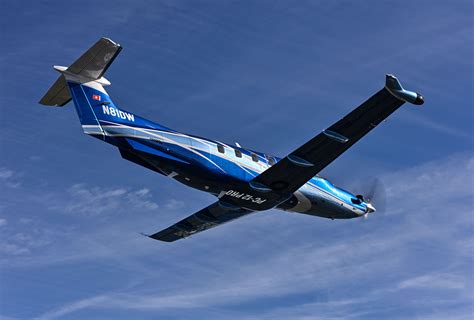
Beyond scheduled airline service, single-engine turboprop flying forms one of the most active employment sectors for low- to mid-time commercial pilots. Aircraft such as the Pilatus PC-12 and Daher TBM 960 dominate this space, particularly in medevac, charter, and cargo operations.
The PC-12 in particular has become a cornerstone of US rural aviation. Its pressurized cabin, long range of over 1,800 nautical miles, and ability to operate from short or unimproved runways make it uniquely suited for medical evacuation missions and remote passenger transport. Medevac pilots operating these aircraft often fly into challenging environments with limited infrastructure, transporting patients across vast distances where ground transport is not viable.
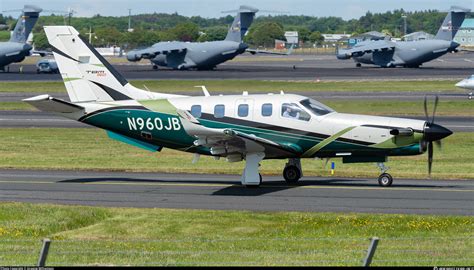
The TBM series offers a different operational profile, emphasizing speed and efficiency. Capable of cruising above 300 knots, it bridges the gap between light piston twins and entry-level jets. In medevac and charter roles, this performance allows operators to compete with helicopters and light jets while maintaining lower fuel and maintenance costs.
Compensation in this segment varies widely. Entry-level first officers may start around $40,000 to $55,000, while experienced captains can earn up to $90,000. The variability reflects differences in operator size, mission type, and geographic region. Unlike airline pay scales, which are heavily standardized by seniority and union contracts, turboprop charter and medevac compensation is often negotiated at the company level.
The Career Pipeline: From Turboprops to Jets
For many pilots, turboprop flying is less about long-term career identity and more about progression. The traditional pathway remains relatively consistent: flight instruction, entry-level turboprop or piston operations, accumulation of turbine and IFR hours, and eventual transition into regional jets or corporate aviation.
This pipeline exists because turboprop roles provide exposure to real-world commercial operations earlier in a pilot’s career. Flying into uncontrolled airports, managing weather deviations, and operating under tight schedules builds decision-making experience that is difficult to replicate in training environments. Employers value this experience when evaluating candidates for jet positions.
However, this structure also reinforces the pay disparity. Because many pilots view turboprop roles as transitional, operators have historically had less pressure to increase wages aggressively. Even as overall pilot demand has risen, the expectation of eventual upward mobility has helped maintain a tiered compensation system.
The Decline of Mainline Turboprops in the United States
The US aviation market was once dominated by turboprops. During the 1980s and 1990s, aircraft such as the Saab 340, Beech 1900, ATR 72, and Bombardier Q400 formed the backbone of regional airline networks. They connected small cities to major hubs in ways that are now largely handled by regional jets.
The transition away from turboprops accelerated in the early 2000s as passengers increasingly preferred jet cabins. Perceived speed, reduced cabin noise, and modern interiors made regional jets more attractive both operationally and commercially. Airlines responded by phasing out turboprops wherever route economics allowed.
By the mid-2010s, turboprops had largely disappeared from major US regional carriers. Horizon Air’s retirement of the Q400 in 2023 symbolized the end of an era. What remains today is a fragmented network of Essential Air Service routes and niche operators that continue to rely on turboprop efficiency for survival rather than expansion.
Conclusion: A Quiet but Essential Layer of Aviation
In 2026, turboprop and piston pilots occupy one of the most paradoxical positions in US aviation. They are essential to maintaining connectivity across rural America, yet they operate in a compensation environment that has not experienced the same explosive growth as regional jet flying. Their work is technically demanding, operationally diverse, and often conducted in challenging environments that test both skill and judgment.
The salary gap between turboprop and jet pilots reflects more than aircraft type—it reflects structural differences in market demand, regulatory pathways, and career expectations. As long as turboprops remain tied to Essential Air Service routes and entry-level turbine experience, they will continue to function as both a critical infrastructure layer and a stepping stone within the broader aviation ecosystem.