The question of how much first officers earn at legacy airlines in 2026 sits at the crossroads of ambition, economics, and a rapidly shifting aviation labor market. For pilots stepping into the right seat of a major carrier, compensation is no longer just about base pay; it is about leverage, timing, and how airlines structure increasingly complex remuneration packages. Legacy carriers, long considered the gold standard for pilot careers, remain the benchmark against which all other airline salaries are measured. In 2026, that benchmark has moved decisively upward.
For first officers at American Airlines, Delta Air Lines, United Airlines, and their peers, the early-career earnings picture is strikingly different from just a decade ago. What once required years of seniority is now accessible in year one, largely due to sustained pilot shortages, fleet growth, and aggressive competition for qualified cockpit crews. The result is a compensation landscape where six-figure first officer salaries are no longer exceptional but increasingly normal.
Yet these headline figures only tell part of the story. Pilot pay is famously opaque to outsiders, shaped by variables such as flight hours, aircraft type, contractual work rules, and supplemental benefits that can quietly add tens of thousands of dollars to annual income. Understanding first officer salaries in 2026 means looking beyond base rates and into the mechanics of how legacy airlines actually pay their pilots.
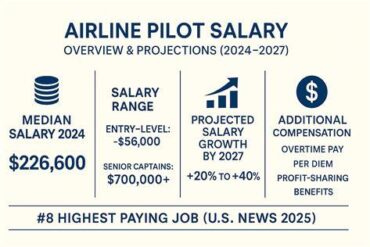
By 2026, the median pay for airline pilots in the United States has continued its upward trajectory. According to the most recent figures from the US Bureau of Labor Statistics, airline pilots, copilots, and flight engineers earn a median annual wage of $226,600, reflecting steady year-over-year growth since 2021. While this figure blends captains and first officers together, it provides essential context: legacy airline pilots operate in the highest-paying tier of the profession.
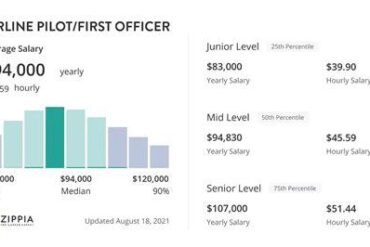
The spread within that median tells an important story. The lowest ten percent earn just under $100,000, while the highest ten percent exceed $239,000, underscoring how experience, seat position, and employer shape earning power. First officers sit squarely in the middle of this distribution, often earning between $90,000 and $150,000 depending on airline and workload. In 2026, first-year first officers at legacy carriers increasingly cluster toward the upper end of that range.
Legacy Carriers and the New Baseline for First Officer Pay
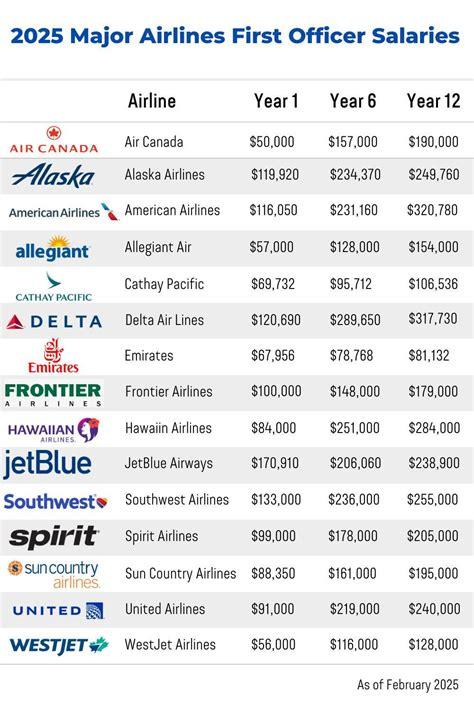
Legacy airlines have redefined what “entry-level” looks like for professional pilots. At United Airlines, a first-year first officer flying narrowbody aircraft such as the Boeing 737 or Airbus A320 earns approximately $115,621, based on an average of 73 flight hours per month. American Airlines and Delta Air Lines follow closely, each offering around $113,476 for roughly 72 monthly flight hours on similar aircraft types.
These figures matter not just because they break the $100,000 barrier, but because they do so without requiring excessive flying schedules. Monthly flight hours in the low seventies reflect a balanced line, leaving room for rest, training, and schedule flexibility. For pilots transitioning from regional airlines, where comparable hours once paid significantly less, the jump is both financial and psychological.
Alaska Airlines occupies a slightly different niche. While smaller in scale, it functions operationally as a major carrier and pays first officers around $119,245 when flying 75 hours per month on the Boeing 737. Southwest Airlines stands out for a different reason: its calculated first-year first officer salary reaches $125,731, but this figure assumes a higher workload of 87 flight hours per month. The pay is strong, but the time commitment is notably heavier.
Why Comparing Pilot Salaries Is More Complicated Than It Looks
Comparing first officer salaries across airlines is deceptively difficult. Airlines structure pay differently, and identical dollar figures can mask meaningful differences in total compensation. Hourly pay rates, minimum monthly guarantees, and credit systems all influence how much a pilot actually earns over a year.
Beyond hourly wages, first officers receive per diem allowances, typically adding around $7,000 annually to cover meals and incidental expenses while away from base. These payments are often tax-advantaged, quietly boosting take-home pay. Retirement contributions further widen the gap between base salary and real compensation. Many legacy carriers contribute 15 to 18 percent of gross pay directly into pilots’ retirement plans, an amount that can exceed $15,000 even for a first-year first officer.
Bonuses add another layer. While more common at regional and low-cost carriers, sign-on bonuses ranging from $20,000 to $100,000 have reshaped pilot negotiations industry-wide. Retention bonuses, sometimes paid every three to five years, can add another $50,000 in lump sums. At airlines like Delta and Southwest, profit-sharing programs can increase annual income by an additional 5 to 15 percent, depending on company performance.
Insurance benefits also matter. Legacy airline pilots typically receive comprehensive coverage, including Loss of License insurance that can pay up to $1 million in the event of permanent medical disqualification. When these benefits are accounted for, a pilot’s true compensation can far exceed the published base salary.
First Officer Pay Beyond the Big Three
Outside the traditional “Big Three” legacy carriers, first officer pay in 2026 remains competitive, though more variable. FedEx, the world’s largest cargo airline, pays first-year first officers approximately $82,690 based on 85 flight hours per month, flying older widebody aircraft such as the Airbus A310. UPS, another cargo giant, pays around $65,275, though with a lighter schedule of 65 monthly flight hours.
Low-cost carriers occupy a middle ground. Frontier Airlines first officers earn roughly $97,000 for 75 monthly hours, while Spirit Airlines pays about $110,221 for 72 hours on the Airbus A320. Avelo Airlines stands out with an estimated $117,900 for just 70 flight hours, demonstrating how smaller operators can sometimes rival legacy carriers on hourly efficiency.
Sun Country, following its acquisition by Allegiant Travel Company in early 2026, pays first officers around $105,919 for 72 monthly hours. Breeze Airways, one of the newest entrants to the market, offers approximately $101,500 for 70 hours. Across these airlines, narrowbody aircraft dominate, keeping training pipelines simpler and costs more predictable.
What a First Officer Actually Does in Daily Operations
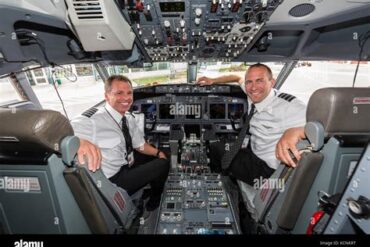
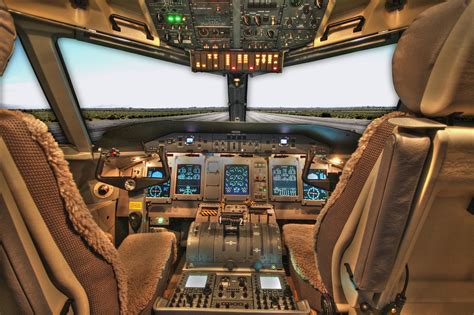
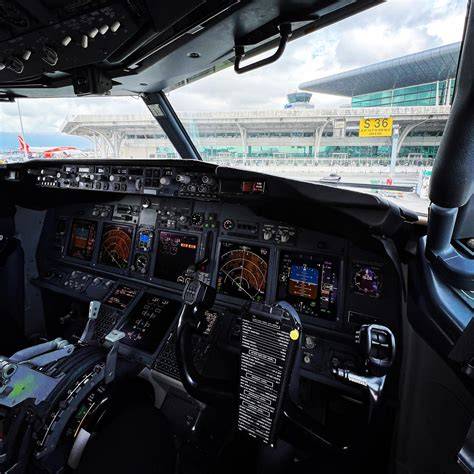
The title “first officer” can mislead those outside aviation. A first officer is not an apprentice or assistant in any meaningful technical sense. They are fully licensed, type-rated pilots entrusted with operating multi-million-dollar aircraft and hundreds of lives per flight. Sitting in the right seat, the first officer alternates duties with the captain on each leg, flying the aircraft on one segment and managing systems, radios, and checklists on the next.
Pre-flight responsibilities include weather analysis, NOTAM review, flight planning verification, and exterior aircraft inspections. Modern airline operations emphasize mutual monitoring, where both pilots actively cross-check decisions to catch errors before they escalate. While the captain retains legal command authority, first officers are expected, and required, to speak up when safety is at stake.
In the event of captain incapacitation, the first officer automatically assumes the role of pilot-in-command, with full legal authority over the flight. This reality underscores why airlines invest heavily in training and compensate first officers as professionals, not trainees.
The Pay Gap Between First Officers and Captains
Despite rising first officer salaries, a substantial gap remains between the right and left seats. At legacy airlines, experienced captains with six or more years of seniority routinely earn over $300,000 annually, with some widebody captains approaching $350,000 in base pay. When benefits and bonuses are included, total compensation can climb to $448,000 or more.
For first officers, especially in year one, pay typically represents about one-third of an experienced captain’s earnings, even when flying the same aircraft for the same number of hours. This disparity reflects both responsibility and seniority, but it also highlights the steep financial growth curve available within major airlines.
As first officers gain experience, annual raises and contractual step increases significantly boost earnings. The progression from first officer to captain remains one of the most financially transformative transitions in commercial aviation, often doubling or tripling annual income within a relatively short timeframe.
Career Strategy, Lifestyle, and the Meaning of “High Pay”
For many first officers in 2026, salary maximization is only one piece of a larger career puzzle. While legacy airlines offer the highest long-term earning potential, some pilots choose alternative paths after building experience. Corporate aviation, charter flying, and private jet operations often involve lower pay but greater schedule control, more predictable time at home, and increased autonomy.
These trade-offs are deeply personal. A six-figure first officer salary at a legacy carrier can come with reserve schedules, commuting challenges, and time away from family. Conversely, a lower-paying role outside the airlines may offer quality-of-life benefits that outweigh the financial difference.
Still, for pilots committed to the airline track, 2026 represents a historically favorable moment. The combination of strong demand, limited supply, and contractual gains has reshaped first officer compensation into something earlier generations could scarcely imagine.
In practical terms, a first officer joining a legacy carrier in 2026 steps into a role that is financially stable, professionally respected, and positioned for rapid growth. The right seat is no longer a period of mere endurance; it is a well-compensated phase of a career that, for those who stay the course, leads to some of the highest salaries in the transportation industry.