The career path of a British Airways pilot represents one of the most respected aviation professions in the United Kingdom. From the moment a new First Officer steps into the cockpit to the point where they command a Boeing 777, Boeing 787, Airbus A350, or Airbus A380, the financial journey changes dramatically. In 2026, the difference between a rookie First Officer and an experienced widebody Captain is one of the clearest examples of how seniority, aircraft qualification, and years of service shape airline pilot salaries.
A new British Airways First Officer may begin their career earning a comfortable professional salary, but the position is still far removed from the earnings potential available at the top of the career ladder. Meanwhile, a long-serving widebody Captain represents the highest level of commercial aviation employment, combining decades of flight experience with responsibility for some of the world’s largest passenger aircraft.
The gap between these two positions is not simply about flying a bigger aircraft. At British Airways, pilot compensation is built around rank, seniority, fleet assignment, flight hours, and contractual benefits. A Captain operating international long-haul routes has usually spent decades building experience, accumulating thousands of flight hours, and progressing through multiple stages of training and promotion.
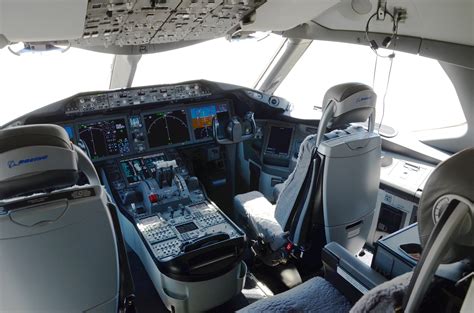
How British Airways Pilot Careers Progress From First Officer To Captain
A commercial pilot career follows a structured progression where experience gradually translates into greater responsibility and higher income. Unlike some industries where employees negotiate large salary increases individually, airline pilots generally advance through established seniority systems.
At British Airways, pilots typically begin as First Officers, serving as the second-in-command of the aircraft. Their role involves supporting the Captain, managing aircraft systems, completing flight procedures, and building the operational experience required for future promotions.
A rookie First Officer usually enters the airline after completing extensive training, including obtaining commercial pilot qualifications, instrument ratings, and the necessary flight experience. Many new airline pilots arrive with several hundred hours of flight time, while experienced First Officers may have accumulated several thousand hours before reaching major airline operations.
The next significant career milestone is upgrading to Captain. This promotion is not based only on flying ability. Airlines consider factors such as seniority position, available vacancies, operational requirements, training performance, and fleet needs.
For many British Airways pilots, reaching widebody Captain status represents the peak of their professional journey. These pilots often have between 20 and 35 years of aviation experience and may have accumulated 10,000 to 20,000 or more flight hours.
British Airways Rookie First Officer Salary In 2026
A new British Airways First Officer can expect a starting salary significantly lower than that of a senior Captain, although it remains competitive compared with many professional careers in the United Kingdom.
In 2026, a rookie First Officer’s base salary is generally estimated at around £40,000 to £65,000 per year. This figure represents basic flying pay before additional allowances and benefits are included.
Once additional payments are considered, including overnight allowances, duty payments, and other flying-related compensation, total annual earnings can rise to approximately £45,000 to £75,000 or more.
For many newly qualified pilots, the early years involve flying short-haul routes on aircraft such as the Airbus A320 family. These aircraft form a major part of British Airways’ network, connecting London with destinations throughout Europe and nearby regions.
The starting salary reflects the reality of airline progression. Becoming an airline pilot requires a significant investment in training, and early-career pilots often spend years gaining experience before reaching the highest salary levels.
However, British Airways offers a strong platform for career growth. Unlike some airlines where pilots may remain limited to a specific aircraft category, BA operates a broad fleet that provides opportunities to progress from narrowbody operations to long-haul widebody aircraft.
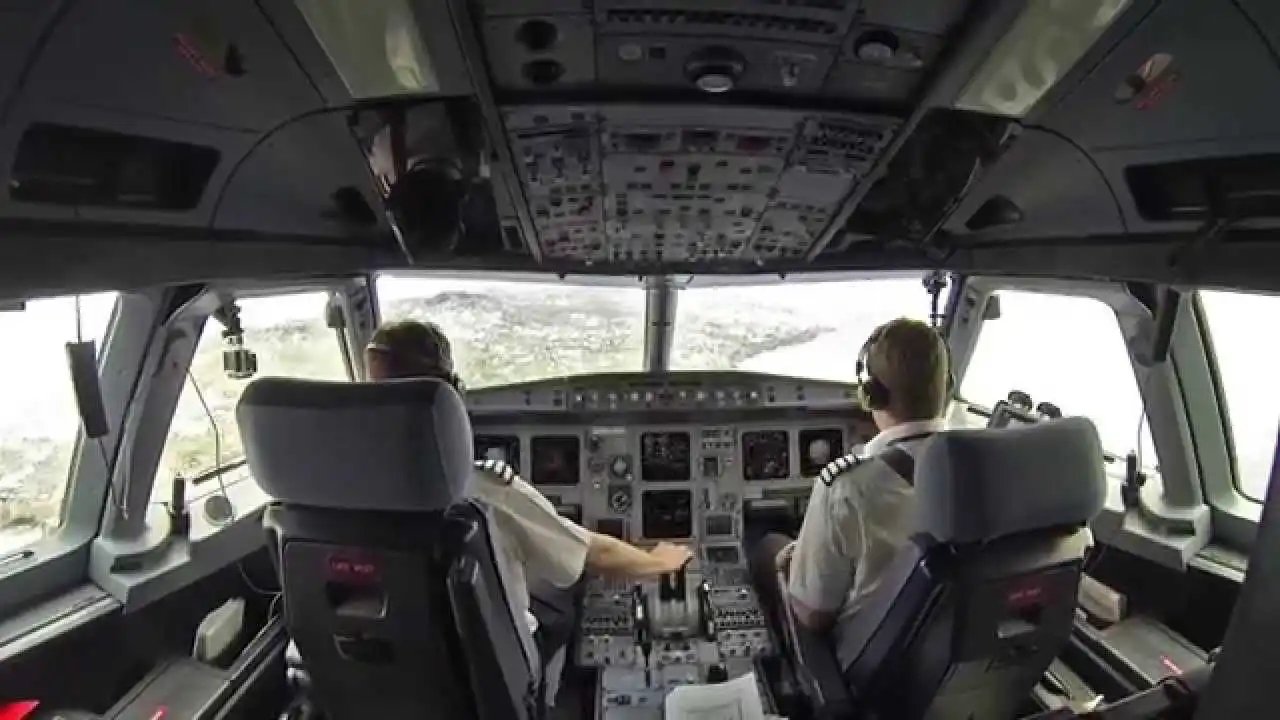
Experienced British Airways First Officer Earnings
Between the beginning of a pilot’s career and the Captain’s seat lies a long period of development. Experienced First Officers earn substantially more than newcomers because they have gained operational experience and often fly more complex routes.
A British Airways First Officer with significant experience, especially one operating long-haul flights, can earn approximately £70,000 to £125,000 annually depending on seniority, aircraft type, and additional payments.
These pilots may operate aircraft including the Boeing 787 Dreamliner, Boeing 777, or Airbus A350, depending on their fleet assignment and position within the airline’s seniority system.
Long-haul flying generally involves additional allowances because pilots spend extended periods away from their home base. International operations can include overnight expenses, meal allowances, time-away-from-base payments, and other compensation designed to reflect the demands of global airline operations.
Although experienced First Officers earn strong salaries, their income remains significantly below that of senior Captains. In many cases, a highly experienced First Officer earns only a fraction of what a top-level widebody Captain can receive.
The reason is straightforward: the Captain holds ultimate operational responsibility for the aircraft, passengers, and crew. This additional responsibility comes with higher compensation.
British Airways Widebody Captain Salary In 2026
A British Airways widebody Captain sits at the top of the airline’s pilot salary structure. These pilots command some of the world’s most advanced commercial aircraft on international routes connecting the United Kingdom with destinations across North America, Asia, Africa, and beyond.
In 2026, a typical British Airways widebody Captain can earn a base salary of approximately £145,000 to £167,000 or more annually.
After adding flying allowances, duty payments, and other compensation, total earnings commonly reach around £170,000 to £200,000+ per year.
Some estimates place the highest-earning British Airways widebody Captains in the range of £225,000 to £275,000 annually, depending on contract conditions, additional payments, and seniority.
Converted into US currency, this represents earnings approaching or exceeding $300,000 per year in some cases.
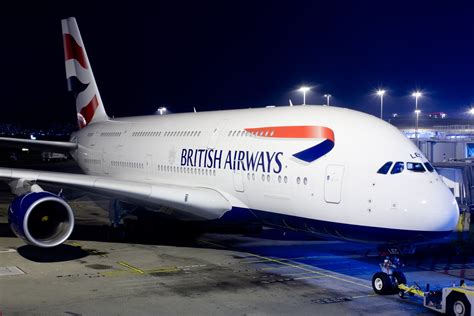
The aircraft type itself has some influence on earnings, but it is not the primary factor. A Captain flying a Boeing 787 does not automatically earn dramatically more than another Captain flying a Boeing 777 or Airbus A350. Instead, seniority and contractual position usually determine the majority of salary differences.
A widebody Captain’s compensation reflects decades of professional development. These pilots have progressed through training programs, aircraft transitions, operational checks, and thousands of hours of real-world flying experience.
Why Widebody Captains Earn Much More Than Rookie First Officers
The salary difference between a rookie First Officer and a widebody Captain exists because the two roles represent completely different stages of aviation responsibility.
A First Officer supports the operation, but the Captain is ultimately responsible for every flight decision. This includes weather considerations, operational risks, crew management, emergency situations, and passenger safety.
Widebody aircraft also operate some of the airline’s longest and most complex routes. Flying a Boeing 787 between London and distant international destinations requires advanced technical knowledge and extensive experience.
The financial gap also reflects the airline industry’s seniority-based structure. A pilot does not immediately reach the highest salary level after earning a commercial license. Instead, income grows alongside experience, qualifications, and time within the company.
This system is similar to many professional careers where specialists reach their highest earning potential after decades of development.
British Airways Benefits And Additional Pilot Compensation
Salary is only one part of British Airways pilot compensation. Like many major airlines, BA provides additional benefits that increase the overall value of the employment package.
Pilots can receive various allowances connected with operational duties, including:
- Flying-hour payments
- Duty-time compensation
- Overnight allowances
- Meal and expense payments
- Time-away-from-base compensation
- Premium payments for additional working days
These additions can increase total compensation by 10% to 30% or more, depending on the pilot’s schedule and contract.
British Airways pilots also typically receive benefits such as pension contributions, healthcare support, staff travel privileges, and loss-of-license insurance.
However, UK airline pilot benefits differ from those offered by some major US carriers. American legacy airlines often provide larger pension contributions, stronger profit-sharing programs, and occasionally substantial retention incentives.
British Airways still provides a highly attractive overall package, especially when combined with the stability and reputation of operating for the UK’s flag carrier.
British Airways Fleet Creates Multiple Career Opportunities
One reason British Airways remains one of the most attractive employers for UK pilots is the diversity of its fleet.
The airline operates regional aircraft, narrowbody jets, widebody aircraft, and ultra-large aircraft, giving pilots opportunities to progress throughout their careers.
Its narrowbody fleet includes aircraft from the Airbus A320 family, while regional operations include the Embraer E190 through BA CityFlyer.
For long-haul operations, British Airways operates a large widebody fleet featuring:
- Airbus A350-1000
- Airbus A380
- Boeing 777
- Boeing 787 Dreamliner
The airline’s widebody fleet allows experienced pilots to develop careers flying some of the most recognizable aircraft in commercial aviation.
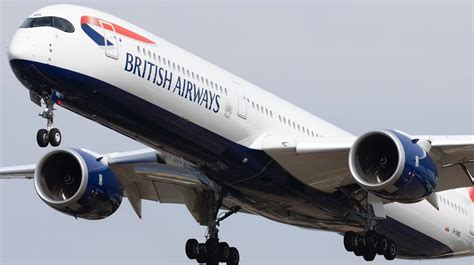
This fleet variety also separates British Airways from many other UK airlines. Some competitors focus exclusively on narrowbody operations, while others operate only widebody aircraft.
British Airways provides a complete career pathway, allowing pilots to potentially move from short-haul First Officer positions to long-haul Captain roles within the same organization.
British Airways Pilot Pay Compared With Other UK Airlines
Within the United Kingdom, British Airways is generally considered one of the highest-paying airlines for pilots, although competitors such as Virgin Atlantic also offer attractive packages.
Virgin Atlantic operates an exclusively widebody fleet, including aircraft such as the Airbus A330, Airbus A350, and Boeing 787, meaning its pilots generally enter a long-haul-focused environment.
Meanwhile, airlines such as easyJet and Ryanair UK operate primarily narrowbody aircraft, creating different career structures and salary expectations.
British Airways’ combination of fleet size, international network, and long-established reputation makes it one of the most desirable destinations for UK commercial pilots.
The Reality Behind British Airways Pilot Salaries In 2026
The difference between a rookie First Officer earning around £45,000 to £75,000 and a senior widebody Captain earning £170,000 to £225,000+ highlights how strongly aviation rewards experience.
However, reaching the top level requires years of dedication. Pilots invest heavily in training, spend years building flight hours, and must continuously maintain demanding professional standards.
A British Airways widebody Captain’s salary is not simply payment for operating an aircraft. It represents decades of expertise, decision-making ability, leadership, and responsibility.
For aspiring pilots, the journey may begin with a modest salary compared with the final destination, but British Airways remains one of the clearest examples of how a long aviation career can develop into one of the UK’s most rewarding professional paths.