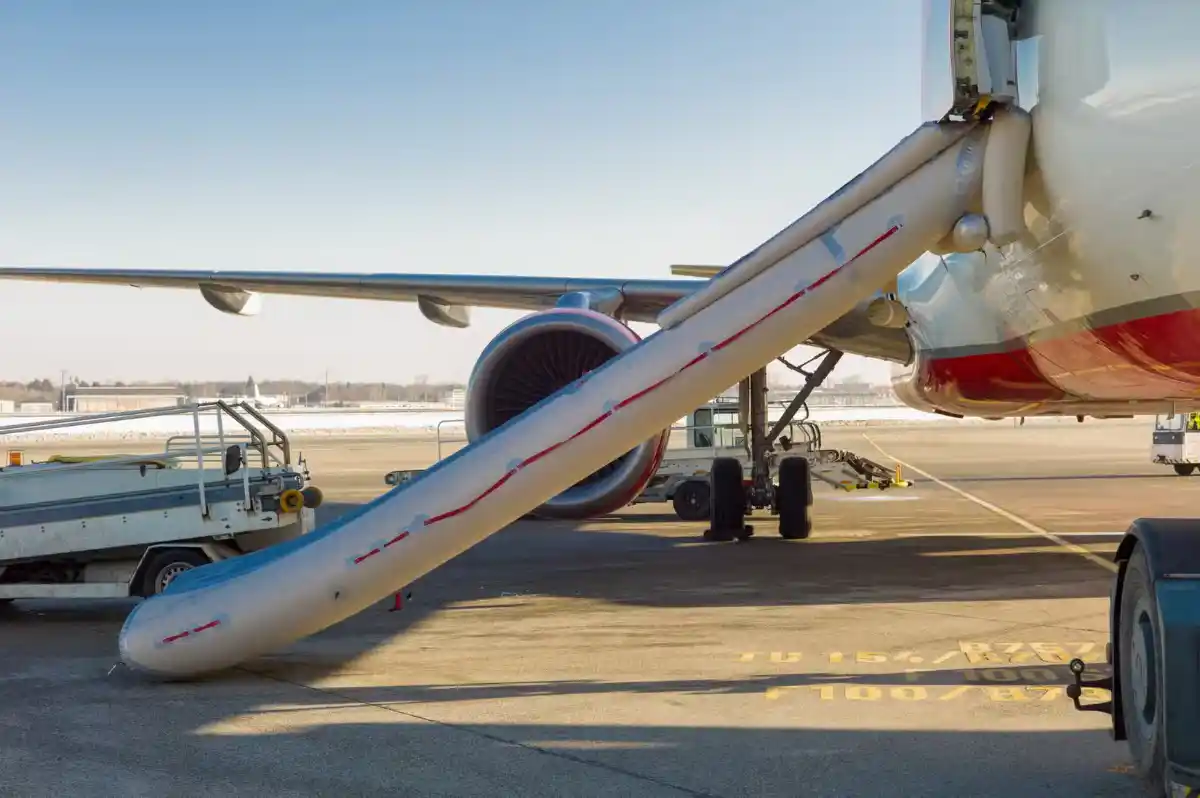
A British Airways flight encountered an unexpected and costly delay over the weekend when an emergency slide was accidentally deployed during pushback at London Heathrow Airport. The aircraft, a Boeing 777-200ER scheduled for Flight BA217 to Washington Dulles International Airport, was halted at Gate B47 in Terminal 5 after a rookie flight attendant, reportedly on just their second day of service, inadvertently triggered the slide. The mishap sent emergency vehicles rushing to the scene, grounding the aircraft for more than six hours while the slide was assessed, repacked, and replaced.
The incident underscores the fine line flight attendants navigate between routine procedures and emergency protocols. Sources indicate that during the final stages of departure, the attendant heard the command “doors to automatic,” armed the door, and then opened it. This sequence triggered the automatic deployment of Door 3L’s emergency slide, a process designed to operate only in emergencies but which, when activated accidentally, carries significant financial consequences and operational disruption.
Financial Fallout and Passenger Compensation
Accidental slide deployments are among the most expensive mistakes an airline can face outside of actual flight incidents. Even without damage, the repacking process alone can exceed $20,000. Should the slide require full replacement, costs jump by at least $50,000. Factoring in compensation under UK261 regulations, which entitle long-haul passengers to roughly $690 each for delays over four hours, British Airways faces a total financial impact that could approach $200,000. With approximately 200 passengers onboard, payouts alone are estimated at nearly $140,000.
The timing of such incidents can further exacerbate costs. If a similar event occurred overseas or late in the evening, the airline could be liable for overnight accommodations, meals, and additional staffing overheads, adding tens of thousands more to an already expensive mishap.
String of Slide Incidents Raises Concerns
This latest error is not an isolated case for British Airways. The airline has endured a peculiar series of inadvertent slide deployments in recent years. One notable incident in 2023 involved a first-day flight attendant deploying a 777 slide before a flight to Lagos. In early 2024, a captain accidentally triggered another slide just before pushback, and January 2025 saw a similar mishap on an Airbus A321. These recurring mistakes have prompted the airline to review training protocols and implement stricter safety measures to prevent further costly errors.
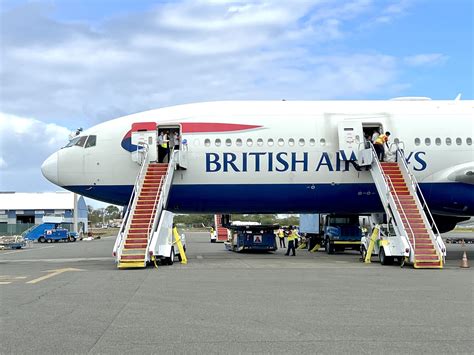
The aircraft involved in Saturday’s incident, registration G-VIIY, is a 26-year-old 777-200ER that has been in service with British Airways since 1999. After the delayed flight to Washington, the plane successfully completed the return leg to Heathrow and was airborne again en route to Bermuda at the time of reporting. Despite its age, the aircraft’s mechanical reliability remains intact, highlighting that human error, rather than technical failure, continues to be the primary catalyst for these disruptions.
Operational Challenges Following Slide Deployment
Rearming a deployed emergency slide is a meticulous, multi-step process. Each step—from removing the slide, inspecting it for structural integrity, repacking, and, if necessary, replacing it—demands precise adherence to aviation safety protocols. These procedures ensure that the slide will function correctly in an actual emergency, but the operational delays they cause ripple across airline schedules, impacting subsequent flights, crew rosters, and passenger itineraries.
Emergency services must also verify the aircraft’s safety after such incidents. Their presence, while precautionary, underscores the potential dangers associated with inadvertent deployments, even when no injuries occur. Ground staff and cabin crew are trained to respond immediately, further highlighting the cost in both time and human resources.
Lessons and Training Adjustments
British Airways has already taken steps to prevent future occurrences by enhancing training for new flight attendants and reinforcing procedural checks for all crew members. While technological safeguards exist to minimize accidental deployments, the incidents emphasize the importance of hands-on training, situational awareness, and repeated drills. The airline’s ongoing review seeks to balance operational efficiency with the uncompromising safety standards expected in modern commercial aviation.
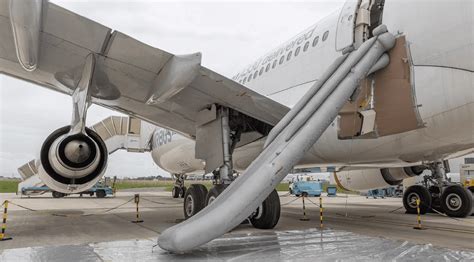
While this event is undoubtedly a significant inconvenience for passengers, it also serves as a cautionary tale about the high stakes in aviation operations. Each misstep carries not only financial ramifications but also reputational consequences for an airline renowned for its long-haul services. For passengers and aviation enthusiasts, the incident offers a glimpse into the hidden complexities of airline safety, demonstrating how even a simple procedural miscue can trigger cascading effects costing hundreds of thousands of dollars.
In the broader context, the BA 777 slide mishap is a stark reminder that rigorous training, precise execution, and constant vigilance remain essential pillars of airline safety. As British Airways continues to refine its protocols, the industry watches closely, noting that even minor errors can have major consequences in the high-stakes environment of international aviation.