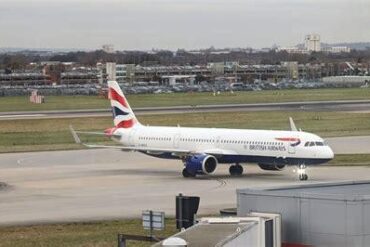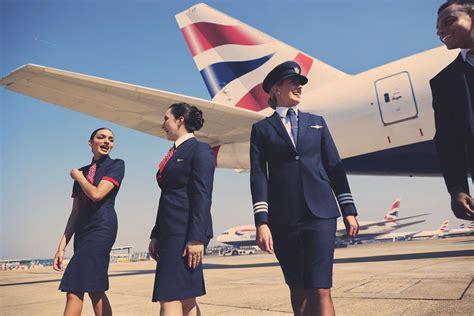
In an incident that has sent ripples through the global aviation industry, British Airways inadvertently booked 12 of its crew members—including pilots and flight attendants—into a sex-themed motel in Milan, Italy. What was supposed to be a routine layover at a reputable hotel transformed into a disturbing and deeply inappropriate ordeal that left crew members shocked, sleep-deprived, and questioning the reliability of BA’s operational controls.
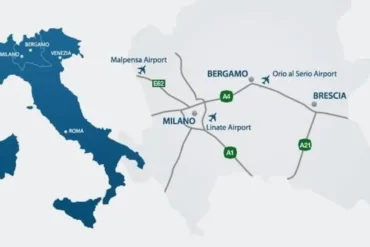
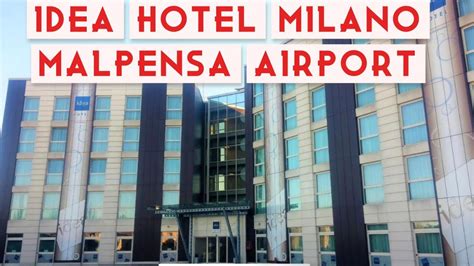
The affected flight crew, on assignment at Milan Malpensa Airport (MXP), arrived at what they believed to be the pre-approved Mo.om Hotel, a property familiar and favored by British Airways for its safety standards and proximity to the airport. Instead, due to a fatal error in booking, they were checked into the similarly named Mo.om Motel—an establishment infamous in the region for its hourly room rentals, explicit themes, and adult clientele.
A Layover Gone Wrong: Misbooked Into a Sex-Themed Motel
According to reports first published by The Sun and subsequently confirmed by British Airways, the booking mishap was triggered by a naming confusion between the airline’s standard layover property and a similarly named motel. While the Mo.om Hotel maintains a reputable image tailored for business travelers, the Mo.om Motel caters exclusively to adult entertainment, featuring rooms adorned with bondage furniture, mirrored ceilings, leather harnesses, and even “human dog cages”—a far cry from what would be acceptable for a crew governed by professional codes of conduct and safety regulations.
The moment the BA crew entered the premises, it was evident that something was terribly wrong. Multiple reports from those on the scene described their rooms as overtly erotic, with some featuring sex toys as decor and a general ambiance described as “more porn set than hotel room.”
Adding to the discomfort, crew members were kept awake throughout the night by a cacophony of sexual activity, loud moaning, and constant comings and goings from adjacent rooms. One crew member allegedly described the overnight atmosphere as akin to being trapped inside a “24-hour orgy.”

The Safety and Psychological Toll on Flight Crew
Beyond the embarrassment and sheer awkwardness of the experience, there are far more serious implications. Several crew members reportedly failed to get any rest, an issue with potentially grave consequences given the safety-sensitive nature of their jobs. International aviation regulations demand sufficient rest and recuperation periods for flight crew to ensure alertness and decision-making capacity, particularly for long-haul flights.
The location’s exterior environment only compounded the concerns. Outside the motel, the crew reported sightings of prostitutes, suspected drug exchanges, and individuals engaging in illicit behavior in public view. Inside, rooms allegedly bore signs of “suspicious fluids,” casting serious doubts on hygiene standards.
This lapse not only exposed the crew to physical risks but also introduced severe mental and emotional strain, particularly for flight attendants—many of whom travel alone and rely heavily on company assurances for their safety while overseas. For an airline like British Airways, long regarded for its emphasis on crew welfare, operational precision, and meticulous scheduling, this mistake was as baffling as it was alarming.
British Airways’ Official Response and Internal Review
In a statement addressing the incident, British Airways acknowledged the error and admitted that “a small number of crew were moved to unapproved hotel rooms due to availability issues with our usual provider, without our knowledge.” The airline added that it was conducting an urgent internal investigation to understand how such a breach of protocol could occur and to ensure that safeguards are put in place to avoid future repetitions.
BA is well known in the aviation industry for its strict internal policies concerning crew security, including a ban on social media photos of accommodation to reduce the risk of location tracking and AI surveillance. Ironically, while trying to shield its staff from potential online threats, the airline overlooked a fundamental real-world danger through insufficient vetting of alternate lodgings.
The response from British Airways, although swift, has not been enough to satisfy critics. Questions are now being raised about the internal structure of its crew accommodation systems, including how booking substitutions are made and what checks—if any—are enforced when a change in hotel is required at the last minute.
A Breakdown in Protocol: How Did This Happen?
Behind the headlines and shock lies a technical and procedural failure with far-reaching implications. Industry insiders suggest that this incident could have been avoided with even the most basic of cross-checking mechanisms. The names of the two establishments—Mo.om Hotel and Mo.om Motel—while nearly identical, are distinguishable upon visual inspection and branding. A simple photo comparison, on-site phone call, or review scan would have alerted the booking agent to the motel’s adult entertainment nature.
Moreover, a pre-dispatch confirmation with the hotel reception or a local BA handler might have flagged the issue. In an era where AI-driven hotel management systems and layered approval processes are becoming the norm, reliance on human error for a mission-critical task such as accommodation for aircrew is increasingly untenable.
The airline’s internal investigation is reportedly looking into whether the error stemmed from outsourced booking software, manual clerical input, or a failure to escalate concerns raised by frontline staff during the booking process.
Industry Reaction and Calls for Accountability
The aviation community has responded to the incident with a mixture of incredulity and concern. Crew unions and safety advocacy groups have demanded increased transparency around how airlines secure accommodations, especially when they deviate from standard vendors due to high occupancy or emergencies.
A senior analyst from the European Aviation Safety Agency (EASA), speaking anonymously, emphasized that crew accommodation is not a luxury but a mission-critical safety component: “Pilots and flight attendants are bound by duty hours and regulated rest periods. When you interfere with rest through unsafe or distracting environments, you risk degrading safety margins across the board.”
Some industry voices are now suggesting mandatory third-party auditing of layover accommodations, particularly for high-traffic destinations and rotation cities. Others have proposed the establishment of crew-only lodging certification, a global program that would help airlines vet and verify safe, professional accommodation options tailored specifically for aviation staff.
Lessons Learned and Rebuilding Trust
For British Airways, the road to recovery from this public relations misfire involves more than just an internal fix. It demands a restoration of trust among its crew members and a reaffirmation of its commitment to safety and professionalism. One flight attendant reportedly said, “We’re told that safety is paramount, but if we’re being sent to a sex motel with no warning, what does that say about how much our well-being really matters?”
To that end, BA’s leadership will need to provide transparent updates on policy changes, engage directly with crew representatives, and possibly even offer reparations to those affected. Only then can the airline hope to move forward from a debacle that has, in many ways, become symbolic of broader challenges in airline logistics and crew support systems.
This incident, however isolated, serves as a cautionary tale for an entire industry built on precision, discipline, and care. In the fast-paced world of global aviation, one mistaken keystroke—especially in a system as sensitive as crew accommodations—can have repercussions far beyond a simple overnight stay.

Conclusion: An Avoidable Crisis With Long-Term Implications
The British Airways sex motel blunder will likely remain in headlines for weeks to come, not merely because of its sensational details but because it touches on core principles of aviation safety, operational integrity, and duty of care. The incident has laid bare a vulnerability in one of the world’s most respected airlines, offering a hard lesson on the need for more rigorous oversight, smarter systems, and human-centered planning.
As British Airways works to contain the fallout, the rest of the airline industry would do well to watch closely—and learn. The skies may be friendly, but what happens on the ground must be held to an equally high standard.