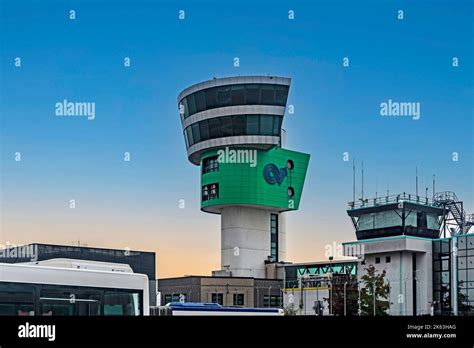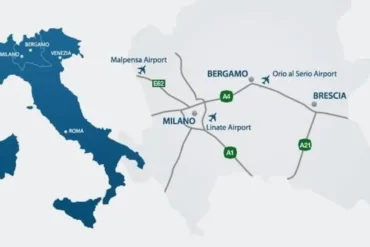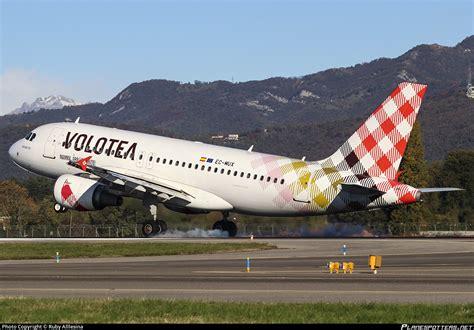
A somber mood has engulfed the European aviation sector after a harrowing accident at Milan Bergamo Airport (BGY) claimed the life of a man who was fatally pulled into an operating jet engine. The incident, which took place on July 8, 2025, during the taxiing phase of a Volotea Airbus A319, has triggered widespread shock, operational chaos, and a rigorous investigation that now spans the aviation and law enforcement sectors.
Catastrophic Sequence of Events at Milan Bergamo
Around 10:00 AM local time, operations at Milan Bergamo Airport, Italy’s third-busiest airfield, came to a jarring standstill. A man, believed to be approximately 35 years old, breached the airport’s secure perimeter and came fatally close to the aircraft’s engine during active taxi procedures. The Volotea Airbus A319, identified by its registration EC-MTF, was operating Flight V7 3924 to Asturias Airport (OVD), Spain. As the aircraft initiated its taxi from the gate after pushback, the man was sucked into the left CFM56 engine, resulting in a tragic and immediate death.
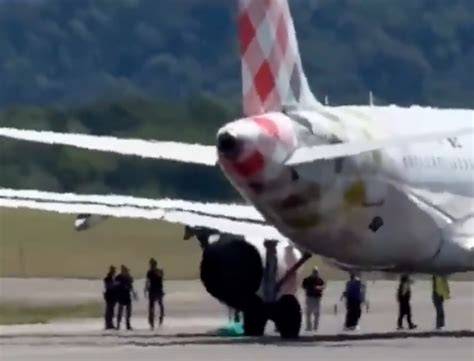
Eyewitness accounts and early media reports indicate the man may have been fleeing police prior to the accident, but the full context remains unconfirmed as authorities launch a forensic investigation into the breach. Emergency services arrived swiftly, evacuating passengers through the aircraft’s front right exit door, while fire brigades and medical responders cordoned off the taxiway to manage the unfolding crisis.
Total Airport Shutdown and Ripple Effects Across Europe
Milan Bergamo’s entire operation was halted for over two hours, grounding dozens of flights and sending shockwaves through Europe’s tightly coordinated air travel network. Given the airport’s vital role in accommodating low-cost carriers like Ryanair and Volotea, the sudden shutdown wreaked havoc.
Flightradar24 data showed:
- At least 13 outbound flights were canceled
- Nine inbound flights were diverted
- Eight aircraft were forced to land at alternate airports including Milan Malpensa (MXP), Bologna (BLQ), and Verona (VRN)
Milan Malpensa, already nearing maximum capacity, took on five of these diverted aircraft, straining ground services and causing additional delays. A particularly challenging moment came when four Ryanair aircraft were rerouted to Malpensa. These included:
- SP-RKM (Boeing 737-800 operated by Ryanair subsidiary Buzz), which returned to BGY at 13:37
- EI-DLC, EI-EGA, and EI-GSJ, which departed as ferry flights to Alghero, Porto, and Tirana respectively
These rapid repositioning efforts were essential to minimize disruption across Ryanair’s precisely timed route network.
Deep Security Lapses Under Scrutiny
The central question now confronting aviation authorities is: how did a civilian reach an active taxiway during engine startup? The breach represents a severe lapse in airside security—a zone strictly controlled under international aviation standards. While such intrusions are rare, their consequences can be catastrophic, as this case tragically proves.
Aviation security experts are calling for immediate audits of airport perimeter defenses, particularly at high-traffic hubs like Bergamo. These audits could involve:
- Reinforced fencing and surveillance along airport boundaries
- Advanced motion-detection systems
- Increased coordination between airport police, airside operators, and air traffic control (ATC)
The Italian Civil Aviation Authority (ENAC) and Volotea have pledged full cooperation with the ongoing investigation. Initial reports suggest the victim may have entered the airfield via a restricted ground access point, a scenario that will almost certainly lead to a thorough security protocol overhaul.
Reputational Impact on Milan Bergamo and Volotea
Before the incident, Milan Bergamo Airport had earned a solid reputation among budget-conscious travelers for its efficiency and connectivity. However, such a tragic breach of safety can deliver lasting reputational harm.
On social media, passengers shared alarming real-time footage and descriptions of confusion, fear, and chaotic scenes inside terminal buildings. Some posted that they were stranded without updates or food service, further inflaming sentiment. This outcry could deter future passengers from choosing Bergamo as their preferred gateway.
Similarly, Volotea, a rapidly expanding low-cost airline with ambitions of pan-European growth, faces scrutiny on multiple fronts:
- Operational disruption to its summer flight schedule
- Passenger refunds and rebookings, affecting profit margins
- Trauma support services for the crew and passengers who witnessed the event firsthand
The airline issued a formal statement expressing condolences, reaffirming commitment to safety, and noting that an internal review is already underway.
Broader Lessons for the European Aviation Sector
This accident serves as a dire reminder that even in one of the most regulated industries in the world, human error and infrastructural vulnerability can create deadly outcomes. The resurgence of travel in post-pandemic Europe has introduced fresh complexities: increased passenger volume, a strained workforce, and mounting pressure to turn planes around quickly.
The question is whether current security infrastructures and staffing levels at European airports can withstand these pressures. This incident may serve as the impetus for a continental review of:
- Taxiway surveillance technologies
- Staff training and background checks
- Runway incursion prevention mechanisms
Airport operators are expected to receive updated regulatory guidance once ENAC concludes its report. The findings may lead to sweeping changes not just in Italy but across all European Aviation Safety Agency (EASA) member states.
The Human Toll: Grief, Trauma, and Industry Fatigue
While operational figures and safety statistics dominate headlines, the emotional devastation should not be overlooked. The victim’s identity has not yet been publicly released, but reports suggest he was unarmed and possibly distressed before entering the airfield.
Passengers and crew members on board Flight V7 3924 have been offered psychological support services, and Volotea has initiated a direct communication channel for affected customers. Airlines often provide crisis counseling in such scenarios, especially for crew members who may face long-term psychological trauma.
Restoration of Services and Traveler Guidance
By midday, limited operations resumed at BGY, but the ripple effects extended into the evening hours. Airlines scrambled to recover schedules, reposition aircraft, and assist displaced travelers. For the thousands impacted:
- Passengers were advised to monitor airline apps and flight status boards
- Airlines relaxed change fee policies
- Bergamo’s airport authority extended ground transportation vouchers to certain delayed travelers
Full recovery from the schedule disruptions is expected to take 24–48 hours, depending on aircraft rotation and crew availability.
Looking Forward: A Tragic Wake-Up Call
As Italian authorities continue to probe the sequence of events that led to this unprecedented tragedy, one outcome is already clear: Europe’s aviation industry must re-examine its airside security frameworks. The safety of airport perimeters, so often taken for granted, must now become a top strategic priority.
For passengers, the hope is that such a loss will catalyze long-term improvements. For industry professionals, it’s a solemn reminder that aviation safety is never finished—it must be constantly refined, reinforced, and respected.