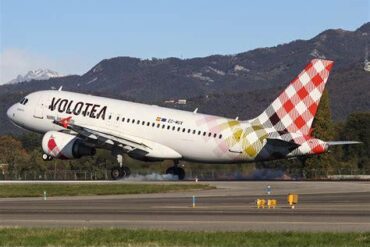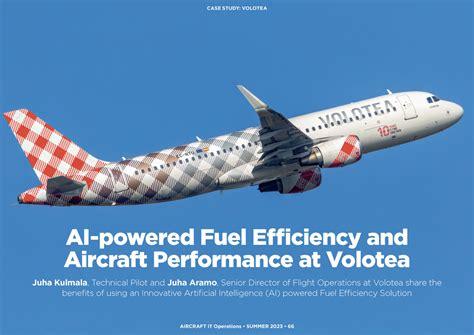
The European aviation market has entered a turbulent phase where pricing certainty is no longer guaranteed, and few examples illustrate this shift more clearly than the recent actions of Spanish low-cost carrier Volotea Airlines. In a move that has unsettled passengers and ignited industry-wide debate, the airline has begun requesting post-purchase fuel surcharges on tickets that travelers believed were fully paid and finalized.
At first glance, the additional charge appears insignificant—ranging roughly between $8 and $11 per passenger. Yet the modest size of the fee disguises a much larger issue: the erosion of one of the most fundamental assumptions in air travel pricing—that once a ticket is purchased, the fare is fixed. This development signals a potential turning point in how airlines respond to volatile global fuel markets.
Volotea’s Post-Purchase Pricing Strategy Under Scrutiny
Passengers affected by the surcharge report receiving emails from Volotea informing them of a mandatory fuel adjustment fee applied after booking. The airline cites a clause within its conditions of carriage, allowing temporary price modifications in response to extraordinary fluctuations in fuel costs.
This clause, while legally embedded in the airline’s policies, is now being tested in the court of public opinion. Travelers argue that such provisions are often buried in fine print, far removed from the clarity expected during the booking process. The result is a growing perception that fare transparency is being compromised.
Online discussions have rapidly amplified the controversy, with many passengers questioning whether airlines should retain the right to retroactively alter agreed pricing. For a sector already known for complex fee structures, this development adds yet another layer of uncertainty.
The Economic Pressure Behind the Decision
The rationale behind Volotea’s move is rooted in a harsh economic reality: jet fuel remains one of the most volatile and significant costs in airline operations. Sudden geopolitical tensions, particularly in energy-producing regions, have triggered sharp increases in oil prices, placing immediate pressure on airline margins.
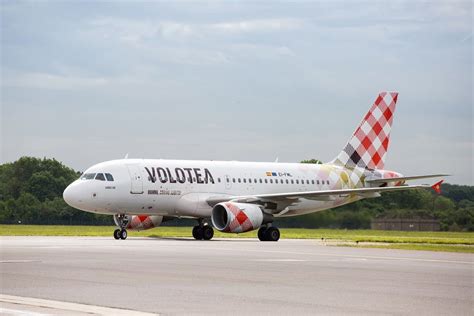
Volotea’s policy, branded under its “Fair Price Promise,” allows the airline to reassess fuel costs up to seven days before departure. If necessary, it can impose an additional fee capped at approximately $10 per passenger. Notably, the mechanism is designed to work both ways, theoretically allowing for refunds if fuel prices decrease—though such downward adjustments are far less visible in public discourse.
For low-cost carriers operating on razor-thin profit margins, even slight increases in fuel expenses can significantly disrupt financial stability. Passing a portion of these costs onto passengers becomes less a strategic choice and more a survival tactic. However, this approach risks alienating the very customer base that budget airlines depend on.
A Challenge to Consumer Trust in Air Travel
Beyond the financial implications, the deeper concern lies in the psychological contract between airline and passenger. When travelers complete a purchase, they expect finality. Introducing additional charges after the fact undermines that expectation and raises broader questions about consumer rights within the aviation industry.
Trust, once eroded, is difficult to rebuild. Even minimal fees can have an outsized impact on customer perception, particularly in the low-cost segment where pricing clarity is paramount. Travelers accustomed to navigating baggage fees and seat selection charges may tolerate complexity—but post-purchase price changes cross a different line entirely.
This incident also highlights a growing tension between contractual legality and ethical transparency. While Volotea may be operating within its legal framework, the move challenges widely held norms about fair pricing practices.
Could This Become the Industry’s New Normal?
The implications of this policy extend far beyond a single airline. If Volotea’s approach proves sustainable—or at least not severely damaging—other carriers may be tempted to adopt similar strategies. In an era defined by energy market volatility, airlines are actively exploring mechanisms to protect profitability without drastically increasing upfront ticket prices.
Industry analysts have already observed a broader trend toward dynamic surcharges and fare adjustments, particularly as global fuel costs remain unpredictable. What makes Volotea’s case unique is the timing: applying these adjustments after the transaction has been completed.
Should this model gain traction, it could fundamentally reshape how consumers approach booking flights. Travelers may begin to view ticket prices as provisional rather than final, prompting increased scrutiny of airline terms and conditions.
The Broader Impact on Airline Pricing Transparency
Ultimately, this controversy underscores a critical moment for the aviation industry. Airlines are navigating an environment where cost volatility demands flexibility, yet customers demand clarity and fairness. Striking a balance between these competing priorities will define the next phase of airline pricing strategies.
Volotea’s decision may be legally defensible, but its long-term success will depend on how passengers respond—and whether regulators step in to establish clearer boundaries. For now, the episode serves as a stark reminder that in modern air travel, even a “paid” ticket may no longer represent a fully settled transaction.
As fuel prices continue to fluctuate and global uncertainties persist, the question is no longer whether airlines can implement such measures, but whether passengers will accept them—or push back hard enough to force a rethink.