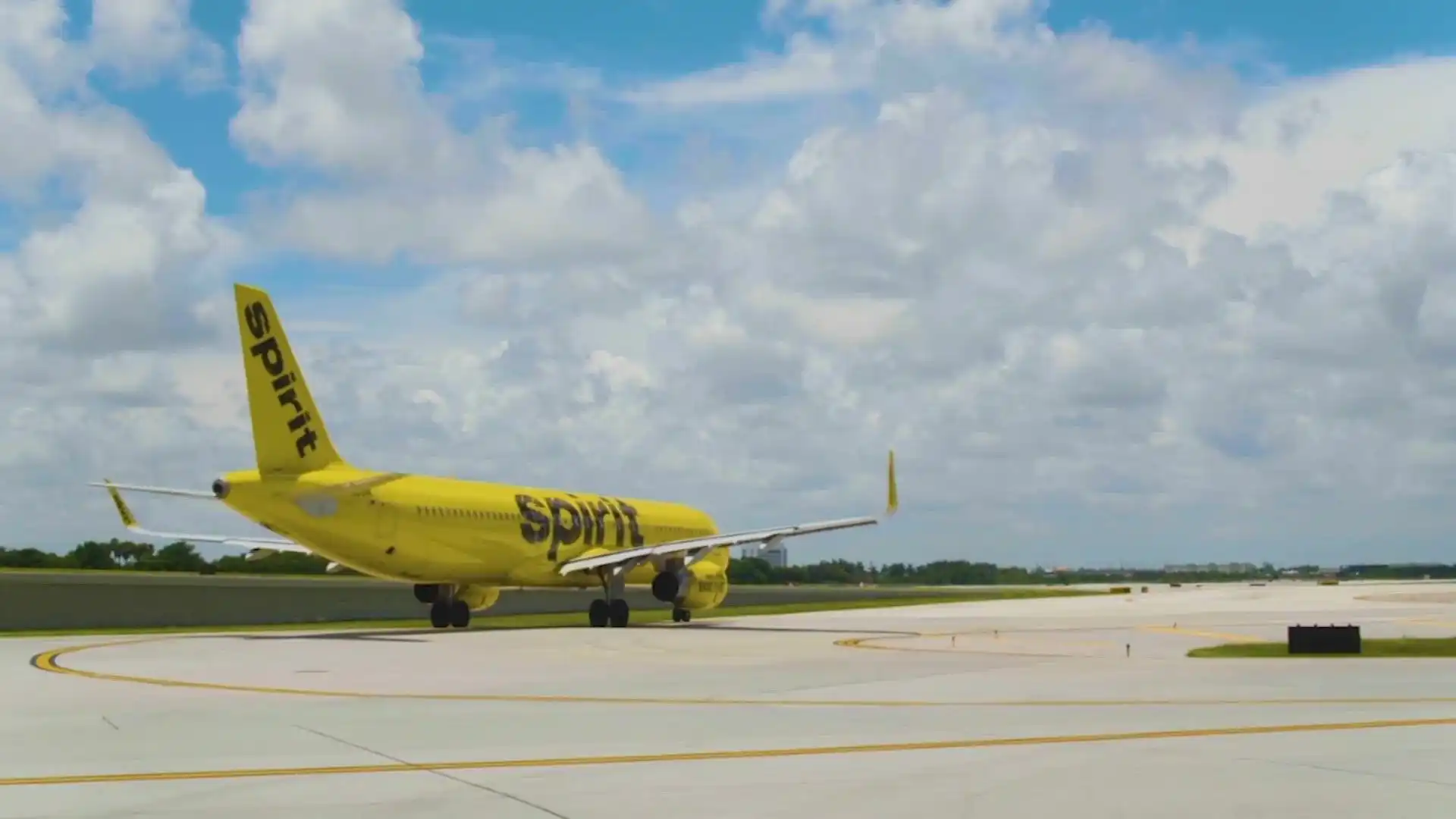
Spirit Airlines’ withdrawal from Denver International Airport was not a simple route cut or a routine network adjustment. It was a visible symptom of a deeper systemic crisis that blended engineering failures, financial fragility, regulatory setbacks, and a shifting airline industry landscape. Denver became a casualty in a broader narrative about the vulnerability of ultra-low-cost carriers in a high-cost, post-pandemic aviation world. Understanding why Spirit pulled out of Denver requires tracing multiple overlapping forces—technical, economic, and strategic—that converged at precisely the wrong time.
Spirit’s decision to cease operations at Denver in 2024 marked its second exit from the market, echoing an earlier withdrawal in the early 2000s. The airline had re-entered Denver in 2012 and maintained a presence for more than a decade, building a network of low-cost leisure routes. Yet by the mid-2020s, Denver became expendable as Spirit struggled to maintain aircraft availability, stabilize finances, and redefine its business model. Denver was not uniquely unprofitable in isolation; it was a pressure point where multiple weaknesses became impossible to ignore.
The Immediate Trigger: Pratt & Whitney GTF Engine Failures
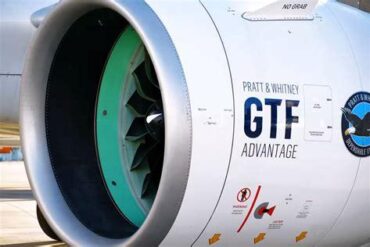
Spirit’s modern fleet strategy was built around the Airbus A320neo family, powered largely by Pratt & Whitney Geared Turbofan (GTF) engines. These engines promised fuel efficiency and lower emissions, aligning with the cost-sensitive philosophy of ultra-low-cost carriers. Instead, they became a strategic liability.
The core issue stemmed from a manufacturing defect in powdered metal used for critical rotating components such as compressor and high-pressure turbine disks. Tiny microscopic flaws created the risk of premature cracking, raising the specter of catastrophic engine failures. Aviation regulators, including the FAA and EASA, mandated accelerated inspections that required removing engines from aircraft—no minor task. These inspections were not quick checks; they often took hundreds of days, with repair timelines stretching from 60 days to more than 300 days due to a shortage of spare parts and maintenance capacity.
By late 2025, hundreds of GTF-powered aircraft worldwide were grounded, representing roughly one-third of the global fleet. Airlines from Europe to Asia faced cancellations, delays, and fleet reshuffles, but Spirit was uniquely exposed. More than half of its fleet relied on GTF-powered A320neo aircraft, making the airline disproportionately vulnerable. Each grounded aircraft represented lost revenue, disrupted schedules, and escalating costs.
Spirit estimated that up to 40 of its A320neo aircraft—around 20% of its fleet—could be grounded at any given time due to engine issues. Ultimately, nearly all of its GTF engines were expected to require off-wing inspections. Compensation from Pratt & Whitney provided temporary liquidity, but it could not replace the lost capacity or restore network stability.
Denver as a Strategic Sacrifice
When an airline faces aircraft shortages, it must triage its network. Routes that are marginally profitable or strategically secondary are the first to be cut. Denver fell into this category for Spirit. Although Denver International Airport is a major hub with strong demand, it is also highly competitive. United Airlines dominates the market, with Frontier and Southwest adding low-cost pressure. For Spirit, competing on thin margins with limited aircraft became unsustainable.
Spirit publicly cited poor financial performance of its Denver flights, but this statement should be read in context. The airline was forced to shrink its network as its fleet availability collapsed. Cutting Denver freed aircraft to operate routes with stronger yields or less competition. In essence, Denver was not the cause of Spirit’s problems—it was a casualty of them.
COVID-19 and the Collapse of Demand Recovery Timing
Spirit’s Denver exit occurred during a period shaped by pandemic disruptions, even as travel demand was rebounding. The pandemic did not merely reduce passenger numbers; it reshaped demand patterns. Business travel lagged, leisure travel surged unevenly, and international routes recovered faster than some domestic markets.
For ultra-low-cost carriers, timing matters. Spirit’s model depends on high aircraft utilization, dense seating, and strong leisure demand. COVID-19 restrictions forced drastic schedule cuts, and even after restrictions eased, operational disruptions lingered. Aircraft that should have been generating revenue sat idle due to engine inspections, maintenance delays, and staffing challenges.
Spirit’s daily aircraft utilization dropped from more than 12 hours in 2019 to around 9 hours in 2024. For an airline whose profitability depends on keeping planes in the air, this was a devastating efficiency loss. The pandemic magnified existing weaknesses in Spirit’s cost structure and exposed its lack of resilience.
The Dwindling Fleet and Radical Downsizing
Spirit’s fleet trajectory tells the story of its retreat. At its peak, the airline operated around 214 aircraft. By late 2025, it planned to shrink to 100–120 aircraft, a dramatic contraction that reflected both grounded planes and strategic downsizing. Aircraft orders were canceled or transferred to lessors, including a deal to walk away from commitments for 52 Airbus jets and options for ten more.
This downsizing was not simply about cutting costs. Newer aircraft had become liabilities because their engines were unreliable, grounding them for extended periods while still incurring financing costs. Spirit chose to shed capacity aggressively, even at the expense of network presence. Denver was one of many markets cut as part of this “shrink to profitability” strategy.
Bankruptcy, Blocked Mergers, and Strategic Isolation
Spirit’s operational challenges were inseparable from its financial and strategic crises. The airline filed for Chapter 11 bankruptcy in November 2024 and again in August 2025. These filings reflected years of losses, mounting debt, and a failure to secure a strategic partner.
A proposed merger with JetBlue was blocked by regulators on antitrust grounds, removing a potential lifeline that could have provided scale and network synergies. Spirit also rejected a merger offer from Frontier, leaving it isolated in a consolidating industry. Without a merger partner, Spirit faced the brutal arithmetic of survival alone.
In 2024, Spirit recorded a $1.2 billion loss and continued to lose hundreds of millions into early 2025. Attempts to move upmarket with premium seat bundles alienated its core price-sensitive customers while failing to attract higher-yield travelers. When revenue strategies failed, cost-cutting became the only viable option.
“Shrink to Profitability” and Network Retrenchment
Spirit’s restructuring strategy centered on reducing its footprint. The airline planned to cut capacity by 20% to 25% in 2026, remove 18 U.S. airports from its network, and suspend around 40 routes. Maintenance stations and warehouse operations in Baltimore and Chicago were closed, and significant workforce reductions followed, including furloughing about one-third of its flight attendants.
Denver’s removal fits neatly into this broader pattern. The city was one of many nodes trimmed to reduce operational complexity and concentrate resources on core markets. The strategy was stark: become smaller, leaner, and potentially profitable rather than large and insolvent.
Competitive Pressure at Denver International Airport
Denver is a battlefield airport. United Airlines operates a major hub there, leveraging network connectivity, frequent schedules, and premium cabins. Frontier Airlines maintains a strong low-cost presence, often undercutting competitors on price. Southwest Airlines also provides extensive domestic connectivity.
For Spirit, competing in Denver meant facing both legacy carriers with deep pockets and other low-cost carriers with entrenched positions. When aircraft became scarce, Spirit had little incentive to fight for market share in such a contested environment. By withdrawing, Spirit ceded the market to competitors, who quickly added capacity to fill the gap.
Data suggested that airfares on some leisure routes increased by up to 22% after Spirit’s exit, highlighting the airline’s role in suppressing prices. Its departure reduced competition, allowing incumbents to raise fares and adjust pricing strategies.
The Ripple Effect on Fares and Consumer Choice
Spirit’s Denver exit had consequences beyond the airline itself. Ultra-low-cost carriers act as price anchors in the market, forcing legacy carriers to offer basic economy fares and promotional pricing. When Spirit reduced capacity and exited markets, analysts observed upward pressure on fares.
Nearly two million seats were removed from the market as Spirit cut its schedule by one-third. During the late 2025 holiday season, industry observers speculated that reduced competition contributed to higher domestic ticket prices. Denver was a microcosm of this phenomenon: fewer budget seats translated into higher average fares.
Structural Challenges Facing Ultra-Low-Cost Carriers
Spirit’s problems illustrate systemic challenges facing the ultra-low-cost carrier (ULCC) model. Rising labor costs, maintenance inflation, and fuel price volatility eroded the cost advantage that budget airlines once enjoyed. Meanwhile, legacy carriers adopted basic economy pricing, narrowing the fare gap while offering stronger networks and premium products.
Post-pandemic demand shifted toward premium cabins and international travel, segments where ULCCs have limited offerings. Premium seats generate disproportionate profits, helping legacy carriers weather economic volatility. ULCCs, dependent on high load factors and ancillary fees, struggled to adapt.
The Failed Attempt to Move Upmarket
Spirit attempted to pivot from a bare-bones model to a premium low-cost hybrid. The idea was to increase revenue per passenger by offering bundled seats, additional legroom, and enhanced services. In theory, this would diversify revenue streams and attract higher-paying travelers.
In practice, the strategy backfired. Spirit’s core customers—extremely price-sensitive travelers—reacted negatively to higher fares and perceived dilution of the low-cost promise. Meanwhile, premium travelers were unconvinced by Spirit’s offerings, preferring established carriers with stronger loyalty programs and premium cabins. The pivot created a strategic identity crisis without delivering financial relief.
Industry Comparisons: Why Some Budget Airlines Survived
Not all low-cost carriers suffered equally. Southwest Airlines maintained profitability by focusing on a single aircraft type, the Boeing 737, simplifying maintenance and training. Ryanair achieved one of the lowest cost-per-seat-mile metrics by using secondary airports, negotiating subsidies, and placing large aircraft orders during downturns.
Spirit lacked these structural advantages. Its dependence on the A320neo with troubled engines undermined its cost base. Its network included primary airports with higher fees. Its fleet strategy left it exposed to a single-point failure in engine manufacturing. Denver was one arena where these weaknesses were laid bare.
Strategic Consequences of the Denver Exit
Spirit’s withdrawal from Denver had symbolic and practical consequences. Symbolically, it signaled retreat from major competitive markets and highlighted the fragility of the ULCC sector. Practically, it reduced Spirit’s national footprint, weakened brand visibility, and ceded market share to rivals.
For Denver, the exit meant fewer budget options and higher fares for some routes. For Spirit, it was a step toward survival through contraction. For the industry, it was a warning that aggressive cost-cutting and reliance on unproven technology can unravel even well-established carriers.
Negotiations, Uncertainty, and the Search for a Lifeline
As of early 2026, Spirit was negotiating with the investment firm Castlelake for a potential takeover. Such a deal could provide capital, restructuring support, and a path away from liquidation. Yet any rescue would likely involve further downsizing, route cuts, and a reimagined business model.
Spirit’s Denver exit must be viewed in this uncertain context. It was not an isolated decision but part of a broader triage process as the airline sought to stabilize operations, reduce liabilities, and attract investors.
Lessons from Spirit’s Denver Departure
Spirit’s retreat from Denver offers several lessons about modern aviation economics. First, technological failures can cascade into financial crises when airlines are heavily concentrated on a single platform. Second, the ULCC model is highly sensitive to disruptions in fleet availability and cost structure. Third, regulatory decisions, such as blocking mergers, can have profound downstream effects on airline survival.
Denver was a visible checkpoint in Spirit’s journey from aggressive expansion to desperate contraction. The city’s removal from Spirit’s map reflects not only the airline’s internal struggles but also the evolving dynamics of the airline industry, where scale, diversification, and resilience matter more than ever.
The Broader Future of Budget Air Travel
Spirit’s troubles raise broader questions about the future of ultra-low-cost air travel in North America. As legacy carriers refine basic economy products and premium demand grows, the space for pure ULCCs may shrink. Rising costs and technological risks make the model increasingly fragile.
Yet demand for low fares will not disappear. The market may consolidate around fewer, stronger budget carriers or evolve into hybrid models that blend low costs with limited premium offerings. Spirit’s Denver exit is a chapter in this ongoing transformation—a signal that the era of rock-bottom fares supported by razor-thin margins may be nearing its limits.
Conclusion: Denver as a Mirror of Spirit’s Crisis
Spirit Airlines pulled out of Denver because it could no longer sustain operations in a competitive, high-cost environment while grappling with grounded aircraft, massive financial losses, and strategic uncertainty. Engine failures reduced fleet availability, pandemic disruptions reshaped demand, and failed mergers left Spirit isolated. Downsizing became inevitable, and Denver was one of many markets sacrificed in a fight for survival.
Denver’s story is not just about one airline leaving one city. It is a case study in how technical failures, financial fragility, and industry shifts intersect to reshape aviation networks. Spirit’s exit underscores the precariousness of the ultra-low-cost model and foreshadows a future where cheap flights may be harder to find, competition more concentrated, and airlines more cautious in their expansion ambitions.