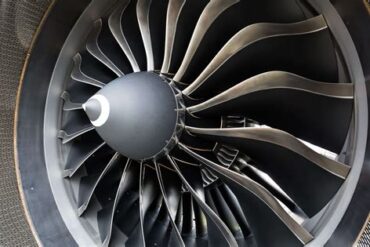
Commercial aviation depends on a simple expectation: aircraft engines must be among the most reliable machines ever built. Every modern jet engine undergoes years of development, certification, and testing before entering commercial service. Yet over the past several years, airlines across the globe have found themselves grappling with an uncomfortable reality. Brand-new engines have experienced durability problems, manufacturing defects, lengthy maintenance delays, and unprecedented shortages of replacement parts.
The consequences have been staggering. Hundreds of aircraft have remained parked for months awaiting inspections or replacement engines, airlines have canceled thousands of flights, and billions of dollars have been lost through operational disruption. Surprisingly, however, engine manufacturers continue reporting healthy profits despite the turmoil experienced by their customers.
That imbalance has become one of the most controversial issues in modern aviation. Former International Air Transport Association (IATA) Director General Willie Walsh has repeatedly argued that airlines are carrying enormous financial losses while original equipment manufacturers (OEMs) continue enjoying expanding margins. His criticism raises an obvious question: if airlines are suffering because engines fail, why don’t they simply sue the manufacturers?
The answer lies in a complicated combination of contract law, market structure, certification rules, supply chain realities, and the economics of aircraft ownership. Although lawsuits occasionally emerge, the commercial aviation industry has evolved in a way that gives engine manufacturers extraordinary leverage over the airlines that depend on them.
After decades of consolidation, engine manufacturers occupy a uniquely powerful position unlike almost any other supplier in the transportation industry.
A Highly Concentrated Industry Leaves Airlines With Few Alternatives
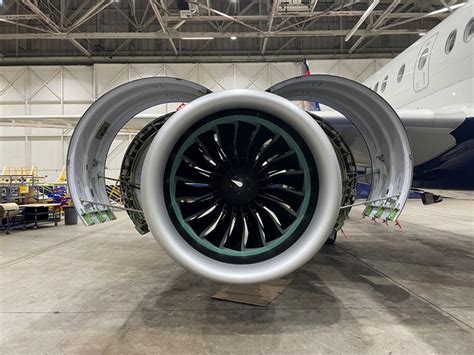
Unlike the automotive industry, where dozens of suppliers compete for customers, the commercial aircraft engine market is controlled by only a handful of global manufacturers.
Companies such as Pratt & Whitney, GE Aerospace, CFM International, and Rolls-Royce dominate virtually every segment of commercial jet propulsion. Aircraft manufacturers certify their airplanes with only specific engine options, and in several cases there is no alternative supplier at all.
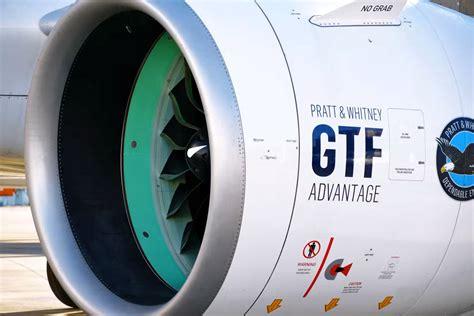
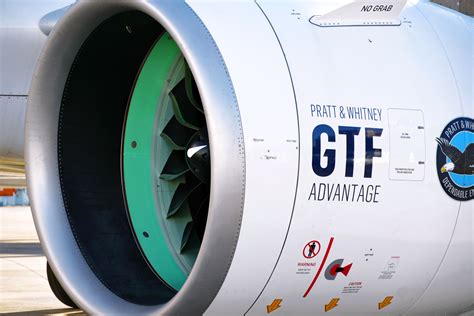
The Pratt & Whitney PW1100G geared turbofan illustrates this problem perfectly. The engine powers thousands of Airbus A320neo-family aircraft while also serving as the exclusive powerplant for the Airbus A220 and Embraer E2 families. Airlines operating those aircraft simply cannot purchase engines from another manufacturer if reliability problems emerge.
When Pratt & Whitney discovered manufacturing defects affecting turbine components, airlines had little choice except to wait for inspections, repairs, and replacement engines. Even though the grounding crisis severely disrupted airline schedules, operators remained dependent on the same company responsible for fixing the problem.
This lack of competition dramatically changes the legal and commercial relationship between airlines and manufacturers.
Aircraft Certification Makes Switching Engine Suppliers Nearly Impossible
Many observers assume airlines could simply replace problematic engines with competing products. In reality, aviation certification rules make that virtually impossible.
Every commercial aircraft undergoes certification with a specific engine configuration. Engineers spend years validating aerodynamic performance, structural loads, fuel consumption, flight controls, cooling systems, software integration, maintenance procedures, and emergency operations for each certified engine type.
Installing a completely different engine would require extensive redesign work involving the aircraft manufacturer, aviation regulators, suppliers, software developers, maintenance organizations, and pilots.
Even when another certified option technically exists, changing an airline’s fleet involves enormous expense.
Airlines would need to:
- Purchase entirely new aircraft or replacement engines.
- Retrain pilots and maintenance personnel.
- Stock different spare parts.
- Rewrite maintenance programs.
- Renegotiate long-term service agreements.
- Accept years-long delivery delays.
For airlines operating hundreds of aircraft, switching engine suppliers is often more expensive than enduring prolonged repair delays.
Why Airlines Usually Cannot Sue Over Every Engine Failure
The existence of an engine defect does not automatically create grounds for a successful lawsuit.
Commercial aircraft sales involve extraordinarily detailed contracts negotiated over many years. These agreements contain extensive warranty provisions, liability limitations, compensation mechanisms, maintenance obligations, arbitration requirements, and force majeure clauses.
Manufacturers generally promise to repair defects or provide technical support rather than guaranteeing uninterrupted airline operations.
As a result, airlines frequently receive compensation through negotiated settlements instead of courtroom victories.
These agreements often specify exactly how disputes will be handled before litigation ever becomes necessary.
Instead of asking whether an engine failed, courts examine questions such as:
- Did the manufacturer breach contractual obligations?
- Were warranty commitments fulfilled?
- Were inspection procedures properly followed?
- Was financial compensation already addressed within existing agreements?
Because these contracts are exceptionally sophisticated, proving additional damages beyond contractual remedies becomes significantly more difficult.
The Pratt & Whitney GTF Crisis Shows the Limits of Legal Action
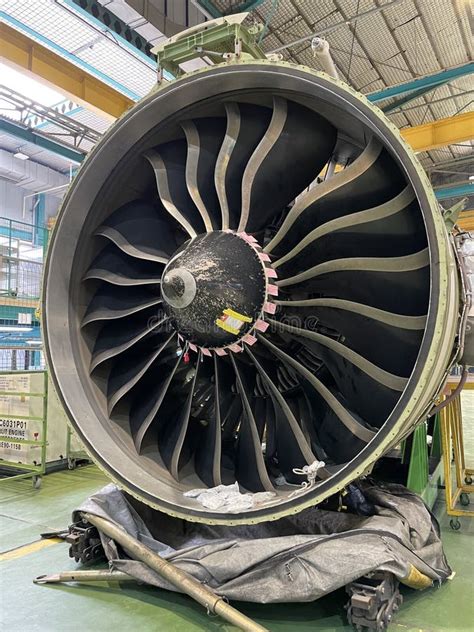
The Pratt & Whitney geared turbofan crisis demonstrates why airlines often remain trapped despite enormous operational losses.
A metallurgical defect affecting turbine components forced inspections across hundreds of engines already operating worldwide. Since replacement engines and spare parts were unavailable in sufficient numbers, aircraft remained grounded while waiting for maintenance slots.
Some aircraft spent well over 250 days parked despite being otherwise airworthy.
For airlines, every grounded aircraft represents:
- Lost ticket revenue.
- Higher leasing costs.
- Crew scheduling disruptions.
- Passenger compensation.
- Reduced network capacity.
- Increased maintenance expenses.
Despite these losses, Pratt & Whitney remained responsible for repairing virtually every affected engine. Airlines could not bypass the manufacturer because no independent company could legally produce certified replacement components.
Ironically, the same repair work generated substantial aftermarket business for the manufacturer.
Aftermarket Revenue Creates an Unusual Economic Dynamic
Commercial aviation differs from most industries because manufacturers continue earning revenue long after selling the original product.
Aircraft engines require continuous inspections, certified repairs, replacement components, software updates, and overhaul services throughout decades of operation.
Those services generate enormous aftermarket income.
Only approved facilities using certified parts can perform much of this maintenance. Consequently, airlines continue purchasing services from the very manufacturer whose product caused operational disruption.
This creates a remarkable business model.
When engine reliability declines:
- More inspections become necessary.
- Maintenance demand increases.
- Spare-part sales grow.
- Repair shop utilization rises.
- Long-term service agreements become even more valuable.
Although manufacturers also incur repair costs, increased aftermarket activity can offset substantial portions of those expenses.
Modern Engines Prioritize Efficiency Over Durability
One of Willie Walsh’s most controversial arguments concerns the industry’s engineering priorities.
Modern turbofan engines deliver extraordinary fuel efficiency compared with previous generations. Airlines benefit from lower fuel consumption, reduced emissions, and quieter operations.
However, achieving those improvements requires engines to operate under increasingly demanding thermal and mechanical conditions.
Higher operating temperatures improve efficiency but place additional stress on turbine blades, combustion systems, coatings, bearings, and other critical components.
Manufacturers continuously balance competing objectives:
- Lower fuel burn.
- Reduced emissions.
- Greater thrust.
- Lower noise.
- Longer maintenance intervals.
- Lower operating costs.
As engineering pushes closer to physical material limits, durability margins inevitably become smaller.
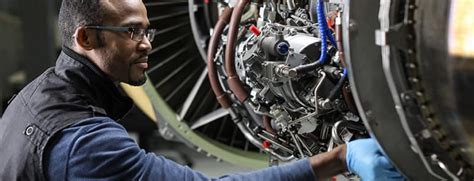
The result has been an increase in fleet-wide inspection programs, durability upgrades, and service bulletins affecting several modern engine families.
Engine Problems Extend Far Beyond One Manufacturer
Although Pratt & Whitney has attracted the greatest attention, it is far from the only manufacturer facing reliability challenges.
CFM International’s LEAP engines have required durability improvements involving turbine components and carbon buildup management.
GE Aerospace has experienced significant maintenance backlogs as repair shops struggle with overwhelming demand and supply chain shortages.
Rolls-Royce has previously dealt with durability issues affecting Trent engine families, requiring extensive inspection campaigns and engineering modifications.
These cases differ in severity, but together they illustrate a broader trend throughout the aerospace industry.
Today’s engines are technologically more advanced than ever before, yet maintaining them has become increasingly complex.
Maintenance turnaround times have expanded dramatically compared with pre-pandemic levels, leaving airlines waiting months rather than weeks for critical repairs.
Supply Chains Have Shifted Negotiating Power Toward Manufacturers
Another reason airlines rarely pursue aggressive litigation is practical necessity.
Even when relationships become strained, airlines still require continuous support from manufacturers.
They need:
- Technical assistance.
- Software updates.
- Engineering approvals.
- Replacement parts.
- Warranty administration.
- Future engine deliveries.
Launching an adversarial legal battle against a supplier controlling all of those resources may ultimately harm an airline’s long-term operational interests.
Global aerospace supply chains remain constrained, with shortages affecting castings, forgings, electronics, specialized alloys, and skilled labor.
Because demand exceeds available production capacity, manufacturers possess unusually strong pricing power.
Airlines may publicly criticize suppliers while privately negotiating compensation packages to preserve working relationships.
Airbus Has More Legal Leverage Than Individual Airlines
Aircraft manufacturers occupy a stronger negotiating position than most airlines because they purchase engines in enormous quantities.
When Pratt & Whitney delivery delays disrupted Airbus production schedules, Airbus reportedly sought financial damages after alleging that promised engine deliveries failed to materialize.
Unlike individual airlines, Airbus influences future aircraft programs, certification schedules, and production planning involving thousands of aircraft.
That scale gives aircraft manufacturers considerably greater leverage during commercial disputes.
Individual airlines rarely possess comparable bargaining power unless they represent exceptionally large fleet customers.
Lawsuits Do Happen—but They Remain the Exception
Although litigation is uncommon, it is not impossible.
Several airlines have pursued legal action after suffering particularly severe operational damage.
ITA Airways, for example, has sought compensation related to significant losses allegedly resulting from Pratt & Whitney engine groundings affecting a substantial portion of its fleet.
These lawsuits generally focus less on the existence of engine defects and more on financial damages resulting from delayed repairs, reduced aircraft values, contractual breaches, or delivery failures.
Even then, many disputes eventually conclude through negotiated settlements rather than lengthy courtroom proceedings.
Manufacturers frequently prefer confidential compensation agreements that preserve customer relationships while avoiding uncertain legal outcomes.
Military Business Helps Cushion Commercial Losses
Large aerospace companies rarely depend solely on commercial aviation.
Pratt & Whitney also produces the F135 engine powering the F-35 Joint Strike Fighter program, generating substantial military revenue.
GE Aerospace maintains extensive defense, industrial, and commercial businesses.
Rolls-Royce similarly serves military aviation, naval propulsion, and power generation markets.
This diversification means commercial engine problems seldom threaten the overall financial stability of these corporations.
Strong defense contracts and long-term government programs help stabilize earnings even during periods of significant commercial disruption.
Airlines Remain Captive Customers
Perhaps the most important reason airlines rarely sue manufacturers is remarkably straightforward.
They cannot leave.
In most industries, dissatisfied customers simply purchase products from competitors.
Commercial aviation rarely offers that luxury.
Aircraft worth more than $100 million cannot suddenly receive different engines.
Maintenance infrastructure cannot be rebuilt overnight.
Pilot qualifications cannot instantly change.
Replacement aircraft often require years of waiting.
The result is an unusually asymmetric relationship in which manufacturers possess leverage extending far beyond the initial aircraft sale.
Even when airlines receive compensation, they usually continue relying on exactly the same supplier for decades.
Willie Walsh’s Criticism Reflects a Larger Industry Debate
Willie Walsh’s outspoken criticism resonates because it reflects concerns shared throughout commercial aviation.
His argument is not merely that engines have experienced technical problems. Rather, he questions whether the industry’s economic incentives have become misaligned.
When airlines lose billions from grounded fleets while manufacturers continue reporting healthy profit margins, many executives believe accountability has weakened.
Manufacturers counter that developing next-generation engines requires massive research investment, advanced materials, sophisticated manufacturing processes, and continuous engineering improvements. Higher prices, they argue, reflect unprecedented technological complexity rather than exploitation.
Both perspectives contain elements of truth.
Modern engines deliver remarkable efficiency gains that reduce fuel consumption and emissions worldwide. At the same time, recurring reliability issues have imposed enormous operational costs on airlines that depend upon dependable equipment.
The Future Depends on Restoring Reliability
The aviation industry has always accepted that no machine is perfect. What makes the current situation unusual is not that failures occur, but that recovery from those failures has become extraordinarily slow.
Long maintenance queues, constrained production capacity, limited competition, and proprietary repair ecosystems have combined to create a market where airlines possess remarkably little leverage despite being the manufacturers’ primary customers.
Until additional competition emerges, production capacity expands, and next-generation engines demonstrate substantially better durability, airlines will remain locked into relationships they cannot easily escape. Legal action will continue to serve as a last resort rather than a practical solution, because winning a lawsuit cannot replace grounded aircraft, accelerate engine production, or create an alternative supplier overnight.
Ultimately, the real reason airlines rarely sue engine manufacturers is not simply legal complexity. It is the unique structure of commercial aviation itself—a highly specialized industry where technology, certification, long-term contracts, and limited competition bind airlines to the very companies whose products they cannot afford to live without.