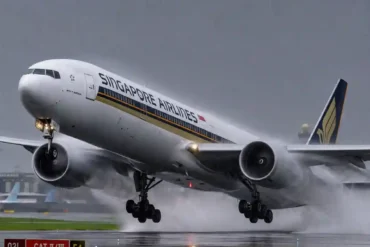
Modern airliners are capable of producing astonishing levels of thrust. Watching a fully loaded Boeing 737, Airbus A320, or Boeing 787 accelerate down the runway makes it easy to assume pilots always demand every ounce of power available from their engines. In reality, the opposite is usually true. On most commercial flights around the world, pilots intentionally avoid using full-rated takeoff thrust.
This practice may seem counterintuitive at first. After all, if maximum power is available, why not use it? The answer lies in a combination of engineering, economics, safety, and operational efficiency. Modern jet engines are designed with substantial performance margins, allowing aircraft to safely depart without operating at their maximum thrust capability in many situations.
Reduced-thrust takeoffs have become a standard part of airline operations because they preserve engines, lower maintenance costs, improve long-term reliability, and still meet all regulatory safety requirements. Rather than being a shortcut or compromise, reduced-thrust departures are the result of decades of research, certification testing, and operational experience.
For passengers, the difference often goes unnoticed. For airlines and flight crews, however, it represents one of the most effective ways to maximize aircraft efficiency while maintaining safety margins that exceed regulatory standards.
The Myth That More Power Is Always Better
Many people assume that using maximum thrust automatically creates the safest takeoff. While maximum power is absolutely necessary under certain circumstances, such as short runways, adverse weather, or heavy aircraft weights, it is often unnecessary during routine airline operations.
A modern turbofan engine is designed to generate significantly more thrust than is required for many departures. When weather conditions are favorable, runway length is sufficient, and aircraft weight is below maximum limits, pilots can safely reduce engine output while still satisfying all performance requirements.
Using full power in these conditions would be similar to driving a sports car at full throttle every time a traffic light turns green. The vehicle is capable of doing it, but there is little practical benefit, and excessive wear accumulates unnecessarily over time.
The aviation industry learned long ago that operating engines at lower stress levels whenever possible produces substantial long-term advantages without compromising performance.
Why Light Aircraft Can Feel Like Rockets
One of the most noticeable effects of using full thrust occurs when an aircraft is relatively light.
An airliner departing with a reduced passenger load, less cargo, or a shorter fuel requirement may have far more thrust available than necessary. In these situations, selecting full-rated power can result in extremely rapid acceleration and exceptionally high climb rates immediately after takeoff.
Passengers occasionally experience this during demonstration flights, repositioning flights, or lightly loaded ferry operations. The aircraft can appear to leap off the runway and climb at unusually steep angles.
While such performance remains completely safe and within certification limits, it can create a more aggressive flight profile than operators typically desire.

For travelers unfamiliar with aviation, a sharp nose-up attitude and rapid acceleration can feel dramatic or even uncomfortable. Airlines generally prefer smoother departures that provide a more consistent passenger experience while still achieving all operational objectives.
Pilots also notice handling differences. Aircraft rotating with reduced thrust often require slightly different control inputs compared with a full-power departure. These characteristics are well understood and accounted for during training, but they highlight how dramatically aircraft performance can change depending on thrust settings and weight.
Modern Turbofan Engines Are Built With Significant Performance Margins
The reason reduced-thrust takeoffs are possible begins with the design philosophy of modern jet engines.
Unlike piston-powered aircraft engines, turbofans are typically flat-rated. This means they are certified to produce a specific thrust level up to a designated ambient temperature. For example, an engine may be capable of generating significantly more thrust than its published rating under cool atmospheric conditions, but electronic controls limit output to preserve engine life and maintain certification standards.
As temperatures rise toward the flat-rating limit, the engine gradually uses more of its available capability to maintain its certified thrust rating. Only beyond that temperature threshold does maximum available thrust begin to decrease.
This design creates a valuable reserve of performance during cooler weather.
When conditions are favorable, aircraft can safely reduce thrust because the engines possess excess capability that is simply not required for the planned departure. Instead of operating at their limits every time, airlines take advantage of this built-in margin to reduce stress on critical components.
The Engine-Out Requirement That Guarantees Safety
A common misconception is that reducing thrust somehow reduces safety margins. In reality, every reduced-thrust takeoff must still satisfy strict certification requirements.
Commercial twin-engine aircraft are specifically designed to continue a takeoff safely even if one engine fails immediately after the critical decision speed known as V1.
Once an aircraft passes V1, the takeoff must continue. Certification standards require the remaining engine to provide enough thrust for the aircraft to climb safely, maintain directional control, clear obstacles, and either continue the flight or return for landing.
This requirement is among the most demanding performance standards in aviation.
Aircraft manufacturers must demonstrate compliance across a series of regulated climb segments that evaluate performance from liftoff through gear retraction, acceleration, flap retraction, and final climb configuration.
Even when pilots use reduced thrust, the aircraft’s performance calculations ensure that all these requirements remain fully satisfied. If conditions do not permit a reduced-thrust departure, the flight management system simply requires a higher thrust setting.
Safety margins are therefore preserved regardless of whether full power or reduced thrust is selected.
How Pilots “Trick” Their Engines
One of the most fascinating aspects of airline operations is the use of the Assumed Temperature Method, often abbreviated as ATM.
This technique relies on a fundamental characteristic of jet engine performance: hotter air produces less thrust.
As outside air temperatures increase, air density decreases. Less dense air contains fewer oxygen molecules, reducing the mass of air entering the engine. Because thrust generation depends on airflow, engine output naturally declines as temperatures rise.
Pilots take advantage of this relationship by entering a higher temperature into the aircraft’s flight management computer than actually exists outside.
The system then behaves as though the aircraft is operating in hotter conditions and automatically commands a lower thrust setting.
The engine is not being deceived in a dangerous way. Rather, the procedure is a carefully certified method built directly into aircraft performance calculations.
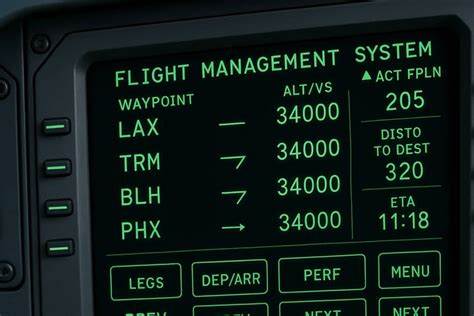
On Boeing aircraft, this process is known as the Assumed Temperature Method. Airbus crews commonly refer to it as a FLEX takeoff.
The resulting thrust level remains fully compliant with performance regulations while significantly reducing stress on engine components.
An important advantage of this method is its conservative nature. Because the actual air temperature is cooler than the assumed value, the aircraft often performs better than the calculations require, creating an additional layer of operational margin.
Understanding Fixed Derates
Another widely used technique is the fixed derate.
Unlike the Assumed Temperature Method, which modifies thrust through performance calculations, a fixed derate establishes an entirely different certified thrust rating for the takeoff.
Aircraft may offer multiple takeoff thrust options, often designated as settings such as TO-1 or TO-2. Selecting one of these ratings effectively changes how the aircraft calculates takeoff performance.
A fixed derate influences numerous parameters, including minimum control speeds, trim settings, and takeoff operating limitations.
Because the aircraft has been certified for these lower thrust levels, all associated performance calculations automatically account for the reduced engine output.
In some situations, fixed derates can actually improve operational capability.
For example, on contaminated runways, lower thrust can reduce the minimum speed required to maintain directional control after an engine failure. This may permit a higher allowable takeoff weight than would otherwise be possible when control limitations become more restrictive than runway length limitations.
Such outcomes illustrate the sophistication of modern performance engineering and demonstrate that maximum thrust is not always synonymous with maximum capability.
The Huge Impact on Engine Longevity
The strongest argument for reduced-thrust takeoffs may be found inside the engines themselves.
Takeoff is the most demanding phase of flight from an engine perspective. Internal temperatures rise dramatically, turbine blades endure intense stress, and rotating components operate near their design limits.
Every reduction in thrust lowers exhaust gas temperature, rotational speeds, and mechanical loading.
Over thousands of flight cycles, these reductions produce extraordinary benefits.
Research conducted throughout the aviation industry has repeatedly shown that lower operating temperatures significantly extend hot-section component life. Turbine blades, combustion chambers, and other critical parts experience less fatigue, slower deterioration, and fewer maintenance interventions.
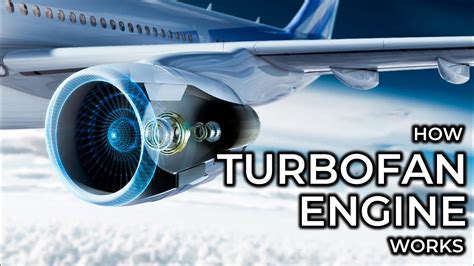
The result is longer on-wing time, fewer engine removals, reduced overhaul costs, and improved fleet reliability.
For airlines operating hundreds or even thousands of flights each day, these savings become enormous. A seemingly small reduction in takeoff thrust can translate into millions of dollars in maintenance benefits across a fleet over the course of a year.
Just as importantly, healthier engines reduce the likelihood of in-service malfunctions, contributing to safer and more reliable operations.
Combining Derates and Assumed Temperature Reductions
Many airlines take engine preservation even further by combining fixed derates with assumed-temperature calculations.
This two-stage strategy begins with selecting a certified lower thrust rating and then applying an assumed temperature to reduce thrust even further.
Depending on aircraft type and operating conditions, combined reductions can lower thrust by as much as 25 percent compared with maximum rated output.
Despite the substantial reduction, the aircraft must still satisfy every applicable takeoff performance requirement before the departure is authorized.
Airline policies regarding combined reductions vary. Some carriers routinely employ both methods whenever conditions allow, while others impose additional restrictions based on operational philosophy or fleet procedures.
Regardless of the specific policy, the objective remains the same: minimize unnecessary engine stress while preserving all required safety margins.
The widespread adoption of these techniques demonstrates the industry’s confidence in the engineering principles that support reduced-thrust operations.
Operational Benefits Beyond Engine Preservation
Although maintenance savings receive much of the attention, reduced-thrust takeoffs offer additional operational advantages.
Aircraft acceleration becomes more predictable and manageable, particularly when operating at lighter weights. Rotation characteristics are often smoother, and initial climb profiles can be easier to control.
Reduced thrust may also decrease cockpit workload by producing less aggressive aircraft responses during critical phases of flight.
On certain routes, managing climb performance can even help crews comply more efficiently with air traffic control restrictions.
An aircraft climbing at maximum power while lightly loaded may reach assigned altitude limits much sooner than expected. By selecting lower thrust settings, pilots can better match the climb profile to operational requirements without sacrificing efficiency.
These benefits reinforce the idea that reduced thrust is not merely an economic tool but an integrated component of modern flight operations.
When Full Power Is Still Essential
Despite the advantages of reduced-thrust departures, there are situations where full-rated thrust remains the preferred option.
Strong windshear conditions represent one of the most important examples. When rapid changes in wind speed or direction are possible, pilots want maximum available performance to counter unexpected losses in airspeed or climb capability.
Heavy aircraft weights may also require full power, particularly on shorter runways or at airports with challenging terrain.
High temperatures, elevated airport altitudes, runway contamination, and certain aircraft system limitations can further restrict the use of thrust-reduction techniques.
In these circumstances, the operational priority shifts from engine preservation to maximizing aircraft performance.
The key point is that thrust selection is driven by conditions rather than routine habit. Pilots evaluate runway length, weather, aircraft weight, obstacle clearance requirements, and performance calculations before determining the appropriate takeoff setting.
Why Reduced-Thrust Takeoffs Have Become the Industry Standard
The widespread use of reduced-thrust departures reflects the remarkable sophistication of modern airline operations.
Far from being a shortcut, reduced-thrust takeoff procedures are the product of extensive engineering analysis, regulatory oversight, and decades of operational experience. They allow airlines to preserve expensive engines, extend component life, reduce maintenance costs, and improve fleet reliability while maintaining safety margins that fully satisfy certification requirements.
Modern turbofan engines possess more capability than many departures require. Rather than wasting that reserve on every flight, airlines use carefully calculated thrust settings tailored to actual conditions. The result is a safer, more efficient, and more economical operation.
Full power remains available whenever circumstances demand it. Yet for the vast majority of airline departures around the world, maximum thrust simply is not necessary. Through fixed derates, assumed-temperature techniques, and sophisticated performance calculations, airliners achieve the ideal balance between safety, efficiency, and engine preservation—proving that sometimes the smartest use of power is knowing when not to use all of it.