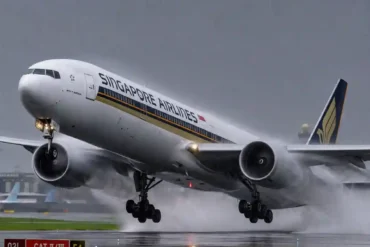
Airline passengers often associate the roar of jet engines with full power at takeoff, assuming that pilots must push the throttles to the maximum to lift the aircraft safely into the sky. Yet in modern commercial aviation, the use of maximum thrust during takeoff is the exception, not the rule. This calculated decision is not just a matter of routine—it is a sophisticated balance of engine preservation, fuel economy, safety standards, and operational efficiency. Let’s explore the real reasons why pilots typically hold back on full engine power during most departures.
Maximum Thrust: A Tool Reserved for Extremes
The engines of a commercial jet are certified to deliver extraordinary levels of thrust. However, this maximum rated thrust is designed for the most demanding takeoff scenarios—such as a fully loaded aircraft departing from a short, wet, or hot runway, or from a high-altitude airport where air density is low. These situations leave no margin for compromise, and full power is not just desirable—it’s essential.
In contrast, most everyday departures take place under far less challenging conditions. The runway is dry and long, the temperature is moderate, and the aircraft is operating below its maximum allowable takeoff weight. In these cases, applying full thrust would introduce unnecessary mechanical stress and thermal strain to the engine components. Over time, this wear accumulates, shortening engine life and increasing the frequency and cost of maintenance cycles.
Using maximum thrust on every takeoff would be akin to revving a high-performance sports car to redline every time you drive to the grocery store. It might feel powerful, but the long-term consequences would be disastrous. In aviation, the goal is not brute force—it’s controlled efficiency with built-in safety margins.
How Takeoff Performance Is Precisely Calculated
Before each departure, pilots perform a meticulous takeoff performance calculation. This process ensures that, should one engine fail at a critical point during takeoff, the aircraft can still either abort the attempt safely within the available runway or climb out safely on the remaining engine.
These calculations take into account a variety of essential parameters:
- Aircraft weight
- Runway length, slope, and condition
- Airport elevation and ambient temperature
- Wind direction and strength
- Flap configuration for takeoff
- Obstacle clearance and climb gradients
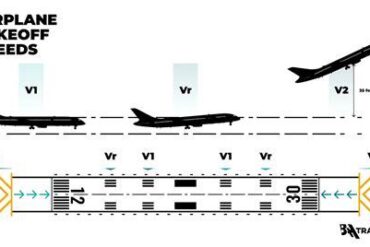
This data is input into specialized performance software—often via a tablet or onboard computer—which then outputs the takeoff speeds (V1, VR, V2) and the minimum required thrust for the conditions. This ensures the aircraft complies with strict international regulations, even with the loss of one engine.
Reduced and Derated Thrust: Engineering Efficiency Into Every Takeoff
Once the minimum required thrust is determined, the flight management system (FMS) or engine control system allows for that performance to be achieved with less than full power—through either reduced thrust or derated thrust methods.
Derated Thrust
Derating is a method where a lower engine thrust rating is selected from the outset. For example, on certain Boeing aircraft, pilots might choose between TO (Takeoff), TO-1, or TO-2 settings. Each lower level corresponds to a reduced maximum thrust output. The engine still behaves normally, but the cap is set lower for that specific takeoff, thereby reducing heat and mechanical stress.
Reduced (Assumed Temperature) Thrust
This technique, also known as FLEX thrust on Airbus aircraft, involves entering an assumed air temperature into the system that is higher than the actual outside air temperature. Because jet engines naturally produce less thrust at higher temperatures, the system reduces engine power to simulate operations under that hotter condition. This creates a controlled reduction in output, with the benefit of preserving the engine.
It’s important to note that full-rated thrust is always available should pilots need it—pushing the throttles fully forward overrides the reduced setting, providing maximum power instantly. This safety buffer ensures that reduced thrust is never a compromise in emergencies.
When Full Power Is Absolutely Necessary
There are times when no reduction is possible and full thrust becomes mandatory. These situations often include:
- Short or contaminated runways
- High aircraft takeoff weight near structural limits
- High-density altitude (hot and/or high airports)
- Presence of strong tailwinds
- Forecast or observed windshear

In such cases, the margin for reducing thrust disappears. The aircraft needs every available pound of thrust to safely accelerate to takeoff speed and maintain the required climb gradient. For example, on a hot summer day in Denver (elevation 5,430 ft), a fully loaded widebody may have to rely on TOGA (Takeoff/Go-Around) thrust to achieve the required performance.
Likewise, windshear—sudden changes in wind speed or direction—can significantly affect lift and speed. In such scenarios, full thrust provides the best chance of maintaining control and airspeed, particularly during the critical moments of rotation and initial climb.
What Pilots See, Hear, and Do in the Cockpit
A takeoff from the cockpit is a carefully choreographed routine. While passengers may perceive the process as simple acceleration, pilots follow a rigid sequence of actions that ensure everything unfolds precisely and safely.
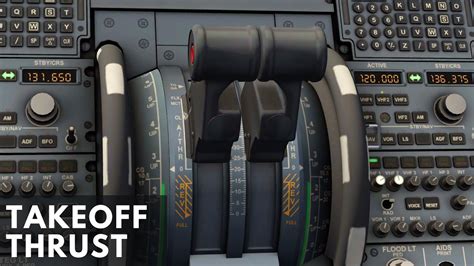
On Boeing aircraft, the thrust levers are first advanced to a mid-setting to stabilize the engines. Then the TO/GA switch is pressed, and the autothrottle system drives the engines to the calculated thrust setting—be it full, reduced, or derated.
On Airbus jets, pilots place the thrust levers into the FLEX or TOGA detent, and the system automatically selects the right power level using the pre-set assumed temperature. Both pilots verify that engines are achieving the correct thrust before continuing the takeoff roll. If any discrepancy is observed—such as one engine not spooling up properly—the takeoff may be rejected immediately, even at high speeds.
This layered approach ensures that pilots do not “feel” or “guess” the thrust. Instead, they execute a pre-calculated, verified, and rehearsed procedure to ensure optimal safety and performance.
Why Less Thrust Still Meets Maximum Safety Standards
One of the most common passenger misconceptions is that more thrust equals more safety. In reality, safety margins are built into the aircraft’s certified performance data and regulatory frameworks. Whether full thrust or reduced thrust is used, the aircraft must always be able to:
- Abort safely before V1 speed
- Climb safely after liftoff, even with one engine inoperative
- Clear all nearby obstacles within regulatory limits
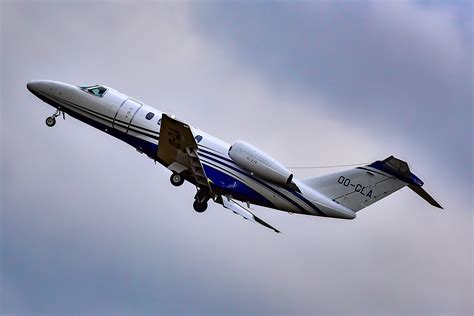
This means that a reduced-thrust takeoff is not a shortcut or a gamble—it is simply a more efficient use of the engine’s capabilities. It still respects the same conservative performance criteria set by aviation authorities.
In fact, reduced thrust takeoffs are so common that airline flight data monitoring programs treat unexpected full thrust use as a reportable item—one that may indicate poor planning or unaccounted conditions.
Economic and Operational Advantages of Reduced Thrust
The use of reduced thrust is not just about mechanical longevity—it delivers measurable cost savings for airlines across large fleets.
- Engine preservation: Lower internal engine temperatures reduce wear, extending time between expensive shop visits.
- Fuel efficiency: Less power means less fuel burned during the high-demand takeoff phase, especially important on short-haul flights with multiple legs per day.
- Noise reduction: Reduced thrust also lowers external engine noise, a key factor in meeting airport noise abatement procedures and community guidelines.
Multiplied across thousands of flights each month, the savings in fuel and maintenance amount to millions of dollars per year. These efficiencies contribute to both sustainable operations and ticket pricing competitiveness, benefiting passengers and airlines alike.
Final Takeoff: Why Gentle Acceleration Isn’t a Sign of Risk
To the untrained eye, a takeoff that feels less aggressive may seem underwhelming, but it reflects the sophistication of modern aviation engineering. Reduced or derated thrust takeoffs are grounded in hard data, driven by careful calculations, and executed with precision.
If you ever feel that the plane is taking its time to lift off, remember—it’s not underpowered; it’s efficient, compliant, and operating well within safe margins. Maximum thrust is available if needed, but modern jets are designed to work smart, not hard.

Understanding why pilots don’t use full thrust on most takeoffs is a glimpse into the meticulous, data-driven world of aviation—a world where safety, economy, and precision converge thousands of times a day at airports around the globe.