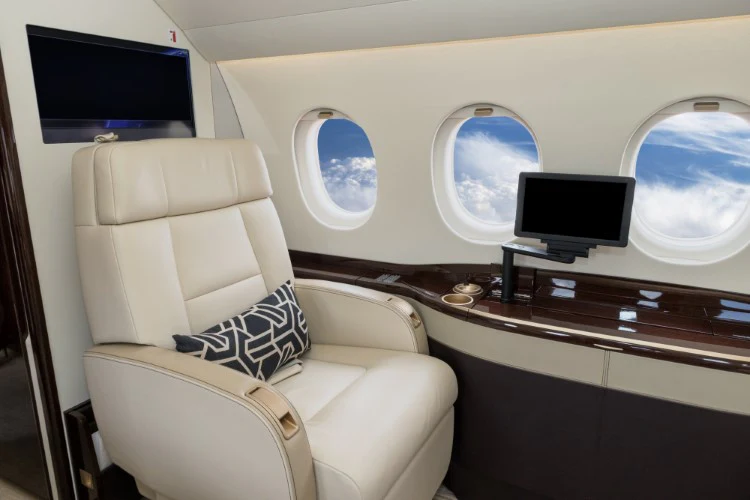
For decades, frequent flyers treated domestic first class upgrades like an unwritten promise. If the cabin door closed with empty leather seats up front, loyal passengers in economy often expected a last-minute move into a wider seat with free drinks and a hot meal. That era is effectively over.
Today, even travelers with years of loyalty, premium credit cards, and elite status frequently stare at half-empty first class cabins from row 28 while the aircraft pushes back from the gate. To many passengers, it feels irrational. Why would an airline willingly leave expensive seats unoccupied instead of rewarding loyal customers?
The answer comes down to one thing: modern airlines have learned that empty first class seats can still make money.
The economics of upgrades, loyalty programs, and premium travel have changed dramatically over the past two decades. Airlines no longer see domestic first class as a perk designed primarily to reward frequent flyers. Instead, they see it as a carefully managed revenue product — one that must be protected at nearly all costs.
The result is a system where complimentary upgrades are rarer, upgrade lists are overcrowded, and even top-tier elite members often walk away disappointed.
By design.
Airlines No Longer Treat First Class As “Upgrade Class”
Twenty years ago, domestic first class in the United States operated very differently. Airlines routinely sold only a small fraction of their premium seats directly to paying passengers. The remaining seats were commonly filled with elite travelers receiving complimentary upgrades.
At the time, first class fares were priced astronomically higher than economy tickets. In many cases, a domestic first class seat could cost ten times more than coach. Most travelers simply refused to pay those fares, leaving airlines with large numbers of unsold premium seats.
Because those seats would otherwise depart empty, airlines used them as loyalty incentives.
A traveler with elite status could reasonably expect frequent upgrades, especially on less competitive routes. Gate agents also had significant discretion. Friendly behavior, frequent travel patterns, or operational convenience could all influence who received an unexpected move to the front cabin.
That flexibility has largely disappeared.
Modern airlines discovered that lowering first class prices actually increased total revenue. Instead of charging extreme premiums, carriers began pricing domestic first class at levels ordinary travelers would occasionally pay — perhaps double or triple the economy fare instead of ten times higher.
The strategy worked spectacularly.
Suddenly, leisure travelers began purchasing first class for vacations. Small business owners started paying for comfort on longer domestic routes. Travelers tired of shrinking economy seats became more willing to splurge.
Today, airlines regularly sell the overwhelming majority of premium seats before departure.
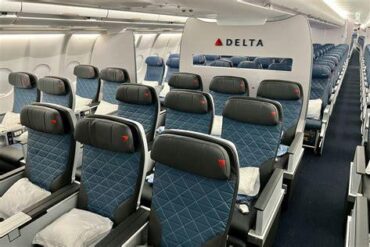
Delta Air Lines, for example, has reported selling roughly 90% of its domestic first class inventory. United and American Airlines have pursued similar monetization strategies with varying degrees of success.
That means there are simply fewer seats available for complimentary upgrades in the first place.
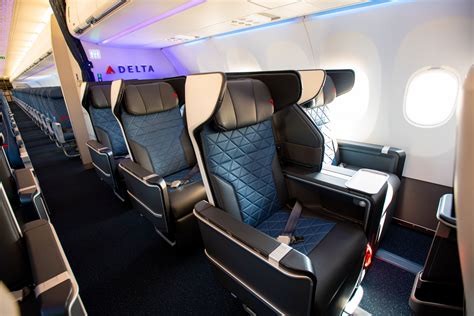
The Rise Of Premium Leisure Travelers Changed Everything
One of the biggest shifts in aviation has been the explosive growth of premium leisure travel.
Before the 2010s, premium cabins were largely associated with corporate travelers. Business travelers filled front cabins during weekdays, while leisure travelers overwhelmingly remained in economy.
That distinction has blurred dramatically.
Modern travelers increasingly prioritize comfort, personal space, and convenience. Social media, travel influencers, and premium travel marketing have also normalized spending more for upgraded experiences. Travelers who may never have considered domestic first class fifteen years ago are now willingly paying for it on vacations, holiday trips, and milestone journeys.
At the same time, economy class has become noticeably less comfortable.
Seat pitch has tightened. Boarding has become more stressful. Overhead bin space is fiercely contested. Ancillary fees have multiplied. As economy deteriorated, premium cabins became more attractive.
Airlines recognized this shift quickly.
Instead of relying on loyalty upgrades to fill first class cabins, carriers aggressively marketed affordable premium upsells through apps, email offers, and check-in promotions. Travelers booking economy tickets are now constantly shown discounted upgrade opportunities leading up to departure.
From an airline’s perspective, selling a last-minute upgrade for $129 generates far more value than giving that same seat away for free.
Even if the seat would otherwise remain empty.
That logic fundamentally changed the upgrade landscape.
Why Empty Seats Still Aren’t “Available”
Passengers often assume that an empty seat visible on the seat map should automatically be available for upgrades. In reality, airlines manage upgrade inventory separately from physical seat inventory.
An airline may have six empty first class seats while offering only two complimentary upgrades.
That sounds absurd until viewed through the lens of revenue management.
Airlines continuously attempt to sell remaining premium seats until the final moments before departure. A seat that looks empty 45 minutes before boarding may still be sold through a mobile app upgrade offer moments later.
Holding those seats back preserves revenue opportunities.
In many cases, airlines intentionally leave some premium seats unavailable to complimentary upgrades because they believe there is still a chance to monetize them. The airline’s systems constantly evaluate booking trends, passenger behavior, route profitability, and historical purchasing patterns.
Algorithms now determine nearly everything.
The result is a highly calculated environment where loyalty benefits are carefully rationed rather than generously distributed.
Even operational upgrades — situations where airlines move passengers forward due to oversold economy cabins — are tightly controlled by automated systems rather than employee discretion.
Frontline employees today have far less authority than travelers imagine.
Gate agents generally cannot decide to reward a polite passenger with a first class seat simply because one remains empty. Upgrade decisions are heavily governed by algorithms tied to elite status, ticket value, loyalty engagement, and credit card relationships.
The romanticized image of charming a gate agent into a first class seat has become mostly aviation folklore.
Upgrade Lists Have Become Brutally Competitive
The biggest obstacle facing frequent flyers today is sheer volume.
Airline loyalty programs have exploded in size.
Delta SkyMiles reportedly has around 130 million members. American AAdvantage exceeds 115 million. United MileagePlus has roughly 100 million participants.
Meanwhile, domestic aircraft cabins remain relatively small.
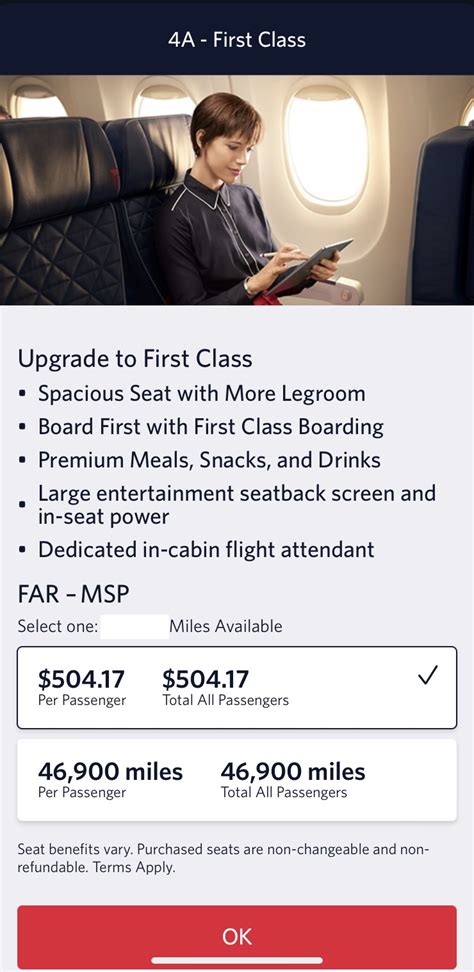
Most narrowbody aircraft operating within the United States contain between 12 and 20 first class seats. Even larger Boeing 757 variants generally max out at just 24 seats.
That math simply does not work in favor of upgrades.
On busy routes, upgrade lists can exceed 40 or even 60 passengers. Many travelers holding elite status now compete against dozens of equally loyal customers for only a handful of available seats.
And not all elite status is equal.
Airlines prioritize upgrade lists using increasingly sophisticated ranking systems. Factors commonly include:
- Elite status tier
- Fare class purchased
- Spending levels with the airline
- Co-branded credit card ownership
- Time of booking
- Time of check-in
- Million-mile status
- Corporate travel relationships
In practice, this means two travelers with “elite status” may occupy vastly different positions on the upgrade list.
A mid-tier frequent flyer hoping for a complimentary first class seat on a major hub-to-hub route often has almost no realistic chance.
Meanwhile, top-tier travelers who spend tens of thousands annually with the airline may clear upgrades days before departure.
The system increasingly rewards spending power rather than simple flight frequency.
Loyalty Programs Became Financial Giants
Most travelers still think airlines primarily make money by flying airplanes.
That is no longer fully true.
For major US carriers, loyalty programs themselves have evolved into enormous profit engines. Airlines generate billions by selling frequent flyer miles directly to banks and credit card issuers.
Every time a customer swipes an airline-branded credit card, miles are created and purchased from the airline by the financial institution.
This business model is immensely profitable.
In many cases, loyalty divisions became so valuable that analysts considered them among the most important assets airlines possessed during the pandemic. Some carriers even leveraged loyalty programs as collateral for financing.
But this profitability changes how upgrades are distributed.
Frequent flyer programs are no longer primarily designed to reward loyal passengers. They are designed to stimulate spending behavior.
That distinction matters enormously.
Modern programs operate less like “frequent flyer” systems and more like “frequent spender” ecosystems. Travelers who generate high spending through premium credit cards, expensive fares, and partner activity receive the strongest benefits.
Complimentary upgrades now function as controlled incentives rather than guaranteed rewards.
Airlines intentionally make upgrades difficult enough to preserve aspiration. If upgrades became too easy, travelers would have less motivation to chase higher status tiers or spend more money within airline ecosystems.
The scarcity itself creates engagement.
In psychological terms, airlines have mastered variable reward systems remarkably similar to casino mechanics. Travelers continue pursuing elite status partly because occasional upgrades remain possible — even if increasingly rare.
That unpredictability keeps customers emotionally invested.
Paid Upgrades Generate More Revenue Than Free Loyalty
Airlines also discovered another important reality: many passengers will willingly purchase comfort if the price feels reasonable.
That insight transformed upgrade strategy.
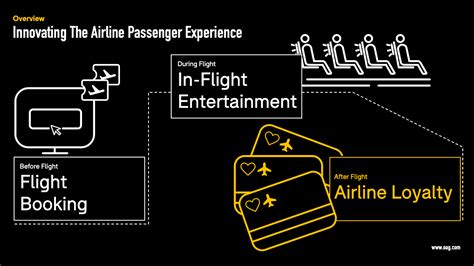
Instead of immediately releasing empty first class seats to elite travelers, airlines now aggressively market discounted paid upgrades during the final booking stages. Travelers commonly receive offers through apps, emails, kiosk screens, and check-in pages.
These offers can appear only hours before departure.
Even modest upgrade purchases matter financially because the marginal cost of filling an otherwise empty premium seat is relatively low. A passenger paying $99 or $199 for a short domestic upgrade creates incremental revenue with minimal additional expense.
From a business standpoint, complimentary upgrades become financially irrational unless they directly strengthen valuable customer relationships.
This is why airlines increasingly prioritize paid upsells over free elite rewards.
A traveler who receives a discounted paid upgrade may also become more likely to purchase premium cabins again in the future. Airlines view these moments as opportunities to convert occasional economy passengers into future premium buyers.
That long-term behavioral shift can generate far more value than rewarding a traveler already deeply embedded in the loyalty ecosystem.
Ironically, travelers with lower status occasionally receive surprise upgrades precisely because airlines view them as potential future premium customers.
Meanwhile, experienced frequent flyers already accustomed to complimentary upgrades may actually be less profitable from the airline’s perspective.
Operational Upgrades Are Far More Restrictive Today
Many travelers still hope for “op-ups” — operational upgrades performed when economy cabins are oversold.
These situations still occur, but they are far more controlled than in previous decades.
Airlines now rely heavily on automated systems to determine who moves forward when operational adjustments become necessary. Decisions are generally based on established upgrade algorithms rather than human discretion.
This reduces inconsistency while protecting the perceived fairness of elite hierarchies.
Frontline employees typically cannot bypass the system simply because a passenger dressed nicely, behaved politely, or asked confidently at the gate.
In fact, many airline employees face strict policies limiting discretionary upgrades altogether.
The industry has become deeply standardized.
Operational upgrades today often prioritize elite travelers already near the top of upgrade queues. Even when economy is oversold, travelers without meaningful status rarely benefit.
The glamorous image of unexpectedly receiving a boarding pass marked “1A” moments before departure survives mostly in movies and nostalgic travel stories.
Why The Upgrade Game Feels More Frustrating Than Ever
The modern upgrade system creates a peculiar emotional dynamic for travelers.
Airlines continuously market elite status as aspirational and exclusive while simultaneously making its most desirable benefits increasingly difficult to obtain.
Passengers chase status through flights, credit card spending, partner purchases, and loyalty engagement. Yet even after reaching elite tiers, many discover that upgrades remain elusive because millions of other travelers are playing the same game.
This creates the sensation of constantly running on a treadmill.
The rewards still exist, but the competition surrounding them has intensified dramatically.
At the same time, airlines intentionally preserve just enough success stories to keep customers invested. A surprise upgrade every few months can reinforce loyalty behavior remarkably effectively, even if dozens of flights passed without one.
That balance is highly intentional.
Modern airline loyalty programs are engineered not merely to reward customers, but to influence spending habits, encourage emotional attachment, and maximize long-term profitability.
Empty first class seats may look wasteful to passengers sitting in economy, but airlines often see something entirely different: pricing leverage, aspirational scarcity, and future revenue opportunity.
And in today’s aviation industry, those are frequently worth more than simply giving the seat away.