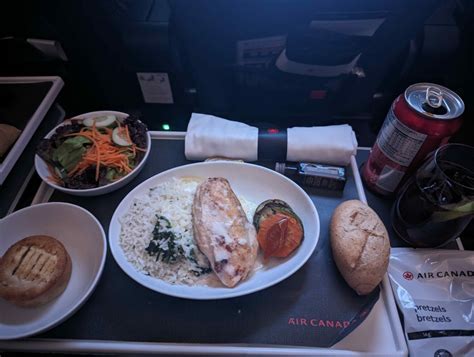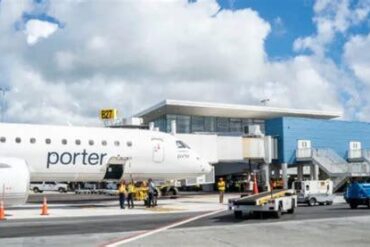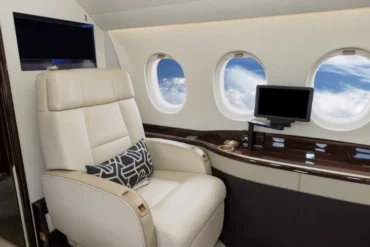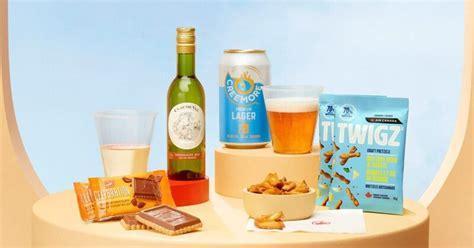
Air Canada has unveiled one of its most ambitious catering enhancements in years, introducing complimentary beer, wine, and snacks across all cabins and flights. The initiative, launched on September 1, 2025, marks a significant shift in how the airline approaches passenger comfort, particularly in economy class—a segment where perks have often been trimmed back by carriers worldwide. By offering free alcoholic and non-alcoholic beverages, Canadian-branded snacks, and even wellness-focused options, Air Canada is positioning itself as a leader in passenger experience within North America.
Air Canada’s New Onboard Standard
The cornerstone of this enhancement is the universal availability of free beer and wine, regardless of flight duration or destination. Traditionally, complimentary alcoholic beverages were reserved for premium cabins or long-haul international flights, while economy passengers often faced limited or pay-to-access options. Air Canada’s decision to extend this benefit across domestic, transborder, Caribbean, and Mexico routes sends a clear signal: economy passengers are no longer an afterthought.
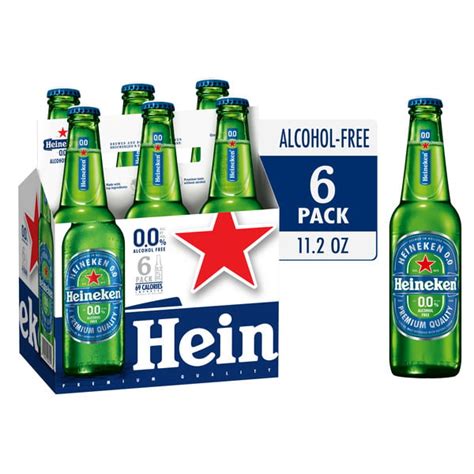
Equally notable is Air Canada’s status as the first North American airline to serve non-alcoholic Heineken beer in flight, catering to a growing demographic of health-conscious travelers who prefer alternatives without sacrificing taste. The move reflects a shift in inflight hospitality that blends inclusivity, wellness, and brand-forward curation.
A Menu Showcasing Canadian Identity
The new menu design goes beyond beverages. Air Canada is doubling down on Canadian-made products, using inflight dining as a cultural showcase. Morning departures feature MadeGood Mornings Cinnamon Bun Soft Baked Oat Bars, a healthier yet indulgent start that balances convenience with comfort. Alongside them, recognizable favorites such as TWIGZ Craft Pretzels and Leclerc’s Celebration Cookies highlight Canadian snack culture.
For later flights, passengers are introduced to Greenhouse Ginger Defense Wellness Shots, a bold addition that reflects growing wellness trends within aviation catering. These cold-pressed shots emphasize natural ingredients, aiming to refresh travelers mid-journey while aligning with global health-conscious consumer habits.
The Air Canada Bistro menu has also been expanded with carefully selected items, from Summer Fresh Hummus & Crackers to Quaker Maple & Brown Sugar Oatmeal Cups and TWIGZ Sour Cream & Onion Pretzels, rounded off with an unmistakably Canadian staple: Smarties.
According to Scott O’Leary, Vice President, Loyalty & Product, the changes are designed not just as enhancements but as part of a larger strategy to “proudly showcase Canadian brands” while delivering value to travelers. The emphasis on local partnerships also signals economic support for Canadian food producers, positioning the airline as a national ambassador at 35,000 feet.

How Much Does Free Beer Really Cost an Airline?
The announcement raises natural questions about cost. Airline catering is a multi-billion-dollar industry, with expenses varying widely depending on menu complexity, sourcing, and operational logistics. While the perception may be that giving away alcohol represents a financial burden, industry insights suggest otherwise.
Bulk purchasing power allows airlines like Air Canada to acquire snacks for under $1 per passenger. More premium options—such as wellness shots or full meals—can range between $5 to $15 per person. When placed against the average ticket cost and the marketing value of goodwill, the expenditure is relatively minor compared to the potential boost in passenger satisfaction and loyalty.
Moreover, free drinks and snacks offer a strong psychological incentive. What may cost the airline a few dollars per passenger can significantly elevate brand perception, driving repeat bookings and positive word-of-mouth. In an era where passengers frequently share inflight experiences on social media, the marketing ROI of complimentary perks can outweigh direct costs.
The North American Context: A Competitive Differentiator
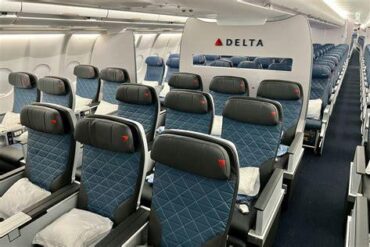
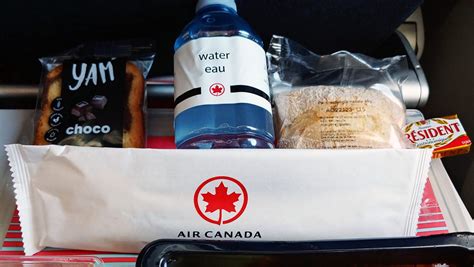
Within North America, complimentary catering has largely diminished in economy class. US carriers like American Airlines, United, and Delta typically restrict free alcohol to international or premium cabin travelers. Even when snacks are complimentary, they are often limited to small packaged items such as pretzels or cookies, with more substantial options available only for purchase.
Budget carriers such as Spirit, Frontier, and Allegiant have taken the no-frills model even further, charging passengers for everything from bottled water to light snacks. This makes Air Canada’s move stand out as a unique differentiator in the region, giving the airline a competitive edge not only against low-cost rivals but also against full-service peers.
This approach aligns more closely with European and Asian full-service airlines, where complimentary catering remains standard across classes, even on short-haul flights. In adopting this model, Air Canada positions itself as a global competitor rather than a regional follower, a strategic shift that could influence passenger expectations across North America.
The Cost of Eating at 35,000 Feet
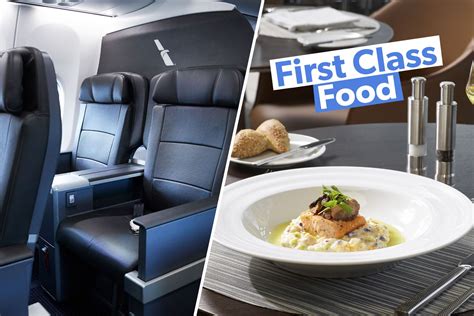
The airline meal has long been a symbol of inflight experience, yet its economics are notoriously complex. A 2023 FinanceBuzz analysis revealed stark differences in meal pricing among US carriers. JetBlue Airways topped the list at $13 per meal, followed by Delta Air Lines at $12, Alaska Airlines at $10.50, and United Airlines at $9.
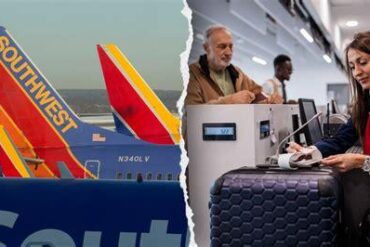
Alcoholic beverage pricing also varies significantly. Spirit Airlines passengers pay an average of $10.61 per drink, the highest among the top US carriers. United, American, and JetBlue average around $9, while Southwest comes in lowest at $6.67 per drink. Against this backdrop, Air Canada’s complimentary alcohol offering becomes particularly striking, undercutting rivals not through price reductions but by eliminating cost for the passenger altogether.
The challenge lies in scale. With Air Canada carrying tens of millions of passengers annually, even a small per-passenger catering increase compounds quickly. However, if this initiative strengthens customer loyalty and load factors, the long-term return could outweigh short-term expenditure.
Strategic Implications for Air Canada
This enhancement fits into Air Canada’s broader customer experience strategy. The airline has already invested heavily in upgrading lounges, digital booking platforms, and premium cabins. By extending improvements to economy, Air Canada reinforces the notion that all passengers, not just premium flyers, deserve value.
From a branding perspective, this move aligns with the airline’s ambition to be perceived as Canada’s premium carrier, even in a competitive global market. Unlike many airlines that have cut services in economy to trim costs, Air Canada is making a deliberate investment in passenger goodwill, betting that positive perception translates into stronger market share.
Furthermore, the partnership with Canadian brands enhances its national identity narrative. Just as Singapore Airlines leverages Singaporean cuisine or Japan Airlines emphasizes Japanese dining traditions, Air Canada is weaving Canadian food culture into its brand storytelling.
Will Other Airlines Follow?
Industry observers will be watching closely to see if other North American carriers respond. Delta and JetBlue, both known for emphasizing inflight experience, may feel competitive pressure to expand complimentary offerings. However, legacy carriers face tighter financial constraints and may be hesitant to commit to universal free alcohol.
Low-cost airlines are unlikely to follow, as their models depend on ancillary revenue streams, particularly from food and beverage sales. For them, complimentary alcohol would undermine profitability. Still, Air Canada’s initiative could begin to reshape passenger expectations, gradually forcing at least partial concessions from competitors.
Conclusion: Redefining Economy Travel
Air Canada’s decision to introduce free beer, wine, and snacks across all flights and cabins marks a turning point in North American aviation catering. By combining local Canadian brands, wellness-focused options, and complimentary alcohol, the airline is setting a new benchmark for what passengers can expect in economy class.
This strategy carries calculated costs but delivers disproportionate value in brand reputation, customer satisfaction, and competitive positioning. At a time when many airlines are trimming amenities, Air Canada is making a bold bet on generosity—and in doing so, it may well redefine the economy class experience for years to come.