Choosing the best hotel loyalty program for leisure travelers is less about corporate travel volume and more about extracting real, tangible value from vacations you pay for yourself. When the trip is a long-awaited family escape to the Maldives, a cultural deep dive in Rome, or a beach retreat in Hawaii, every perk matters. Free breakfast is not just a nice extra—it is daily savings. A confirmed suite upgrade is not a theoretical benefit—it is space for your children to sleep comfortably. Late checkout is not a line item—it is one last slow morning before heading home.
Leisure travelers operate under a different economic model than road warriors. There are no corporate-negotiated rates or expense accounts absorbing dining costs. Every dollar comes from personal savings. That reality changes the calculus. The right hotel loyalty program can transform a standard trip into something layered with privileges: lounge access, waived resort fees, bonus points that fund future vacations, and guaranteed late check-out that lets you enjoy the pool instead of guarding your luggage.
The challenge is that not all loyalty programs are engineered equally. Some are designed for scale and accessibility. Others reward depth and long-term commitment. The smartest strategy is aligning your travel style with the program architecture that amplifies it.

What Makes a Hotel Loyalty Program Ideal for Leisure Travelers?
For leisure travelers, value is measured in experiential upgrades rather than abstract status tiers. The first crucial factor is ease of earning elite status. If reaching meaningful status requires 60 nights per year in hotels, that program is essentially optimized for consultants and executives—not families taking three vacations annually. Programs that allow status through credit card benefits or lower thresholds create immediate leverage.
Next is complimentary breakfast. Breakfast at upscale properties can easily exceed $30–$50 per person per day. For a family of four, that becomes a triple-digit expense every morning. A program that reliably covers breakfast—preferably a full hot restaurant offering rather than continental pastries—creates enormous recurring savings.
Then comes confirmed suite upgrades. “Subject to availability” sounds generous, but it translates to uncertainty. Leisure travel often involves planning special occasions months in advance. The ability to lock in a suite at booking eliminates guesswork. Space equals comfort, especially for multi-generational travel.
A large global footprint also matters. Loyalty only works if you can consistently stay within the brand ecosystem. If your preferred program has limited coverage in Europe or Southeast Asia, your earning potential fragments quickly.
Finally, guaranteed late checkout and waived resort fees can dramatically enhance the final day of a trip. The psychological difference between leaving at 11 a.m. versus 4 p.m. is profound. One feels rushed. The other feels indulgent.
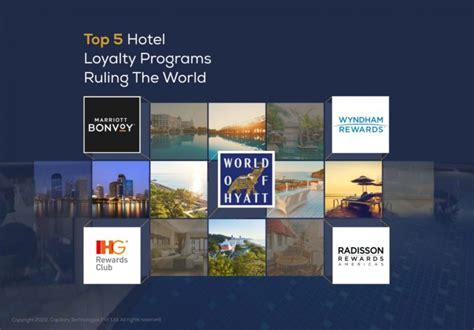
With those criteria in mind, the four dominant U.S.-centric programs—Hilton Honors, IHG One Rewards, Marriott Bonvoy, and World of Hyatt—each offer a distinct proposition.
Hilton Honors: Effortless Status and Rapid Points Accumulation
If hotel loyalty programs were video games, Hilton would be the one with generous power-ups early in the journey. Hilton Honors is arguably the easiest program for leisure travelers to extract immediate value from.
The most powerful lever is credit card access. The Hilton Honors Aspire Card from American Express confers Diamond status automatically. That bypasses the need for 60 annual nights and places you directly into the top public tier. Diamond and Gold members receive breakfast (or a food and beverage credit in the United States), potential executive lounge access, and space-available upgrades.
Hilton’s footprint exceeds 9,000 properties globally, spanning budget-friendly Hampton Inns to aspirational Waldorf Astoria resorts. For leisure travelers who want reliability across continents, scale matters.
Points earning is another Hilton strength. Generous elite bonuses combined with frequent global promotions allow members to accumulate balances quickly. Redeeming those points for luxury properties during off-peak windows can produce outsized value.
However, Hilton’s Achilles’ heel is predictability. Suite upgrades are rarely confirmable in advance unless you hold a niche status tier with spending thresholds. Late checkout is not guaranteed. Benefits often rely on property discretion. That variability can dilute the certainty leisure travelers crave when planning milestone trips.
Still, for travelers who want strong perks with minimal qualification effort, Hilton remains a compelling, low-friction entry point into meaningful hotel status.
IHG One Rewards: Broad Footprint, Flexible Milestone Perks
IHG operates like a global network of dependable mid-scale and upscale properties, stretching across more than 6,000 hotels. Brands range from Holiday Inn to InterContinental and Kimpton, offering diverse price points that appeal to leisure travelers balancing budget and comfort.
The strength of IHG One Rewards lies in its Milestone Rewards structure. Rather than tying all benefits to static elite tiers, the program allows members to choose rewards after crossing certain night thresholds. Options include confirmed suite upgrades, lounge passes, and bonus points. This customizable approach introduces flexibility that many programs lack.

Credit cards again play a role in accessibility. The IHG One Rewards Premier Credit Card grants Platinum status automatically, reducing the climb toward higher tiers. Diamond status can be achieved through substantial card spending, creating a hybrid path between organic stays and financial leverage.
Breakfast for Diamond members is included at most brands, which adds tangible daily savings. Points earning rates are solid, especially when stacked with periodic promotions.
Where IHG struggles is consistency. Late checkout and upgrades remain discretionary rather than guaranteed. Additionally, some high-end properties—particularly within the Six Senses portfolio—participate only partially in the program. For leisure travelers chasing aspirational redemptions, that limitation matters.
IHG excels as a versatile, globally accessible program with customizable perks. It may not dominate any single category, but it performs competently across many.
Marriott Bonvoy: Scale, Solid Benefits, and Credit Card Leverage
With more than 9,000 properties worldwide, Marriott Bonvoy rivals Hilton in sheer reach. The portfolio spans everything from Fairfield Inn to St. Regis, offering luxury beach resorts, city-center boutiques, and business-focused towers.
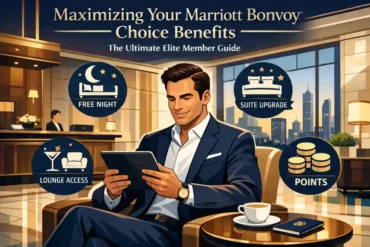
Platinum status represents the program’s true sweet spot. Benefits include breakfast at most brands, 4 p.m. late checkout at non-resort properties, and upgrades subject to availability. For leisure travelers, that guaranteed late checkout can significantly enhance departure-day flexibility.

Status is surprisingly accessible. The Marriott Bonvoy Brilliant American Express Card grants Platinum status, while additional elite night credits from co-branded cards accelerate qualification. That pathway lowers the barrier for travelers unwilling to commit dozens of annual nights.
Marriott’s Nightly Upgrade Awards, selected as part of Choice Benefits, provide some upgrade confirmation potential. They are not as powerful as Hyatt’s suite certificates, but they introduce optionality.
Yet Marriott’s reputation for inconsistency lingers. Some luxury brands do not include breakfast as an elite benefit. Upgrades vary widely by property. The gap between theoretical benefits and real-world delivery can create friction.
Marriott remains a balanced, scalable option—particularly for travelers who value global coverage and reasonable elite benefits without extreme qualification hurdles.
World of Hyatt: Elite Benefits Executed with Precision
If precision and reliability define excellence, then World of Hyatt stands out. The program’s top-tier Globalist status is widely regarded as the most valuable hotel elite tier available to the general public.
Globalists receive confirmed suite upgrade awards that can be applied at booking, valid for stays up to seven nights. That level of certainty transforms trip planning. Rather than hoping for space at check-in, you secure it months in advance.
Breakfast is comprehensive and generous. When a lounge is unavailable, members receive a full hot restaurant breakfast including gratuity. That distinction is critical. A pastry and coffee are not equivalent to a full-service dining experience.
Resort and destination fees are waived on award stays for all members, and on all stays for Globalists. Those fees can easily reach $40–$60 per night at resort properties, so their elimination compounds savings.

Points are uniquely powerful within Hyatt because they transfer at a 1:1 ratio from Chase Ultimate Rewards. That flexibility enhances earning potential for cardholders of premium Chase products.
The trade-off is scale and difficulty. Hyatt’s global footprint remains smaller than competitors. Earning Globalist status requires significant nights or strategic credit card spending. It demands commitment.
For leisure travelers willing to concentrate stays and invest effort, Hyatt delivers unmatched consistency and premium recognition.
The Verdict: Matching Program Architecture to Travel Style
There is no universal winner because travel patterns differ. A family taking two international vacations annually may prioritize confirmed suite upgrades and breakfast certainty. A couple pursuing city breaks across multiple continents may value footprint and ease of status more heavily.
Hilton excels in accessibility and rapid earning. Marriott balances scale and moderate perks. IHG offers flexibility and customization. Hyatt delivers elite benefits with surgical precision but requires dedication.
The smartest leisure strategy often involves combining approaches. One program may serve as the primary ecosystem for elite pursuit, while transferable points maintain optionality for high-value redemptions elsewhere.
The ultimate objective is not collecting status badges. It is engineering better vacations—larger rooms, slower mornings, waived fees, and experiences that feel elevated rather than transactional. When loyalty programs are used strategically, they convert routine hotel stays into amplified travel moments.
Choosing wisely means aligning structure with lifestyle. And when that alignment clicks, loyalty stops feeling like a marketing scheme and starts functioning like a travel accelerator.