
As the merger between Alaska Airlines and Hawaiian Airlines slowly unfolds, travelers across the Pacific and continental U.S. are left navigating a complex, evolving relationship. The announcement that Alaska would acquire Hawaiian brought not only strategic speculation, but also deep questions about how this will affect the practical experiences of frequent flyers — especially those committed to the Alaska Mileage Plan or intrigued by HawaiianMiles.
In town halls and informal gatherings across Southcentral Alaska, travelers are voicing concerns and curiosities. From shifting loyalty program mechanics to new international routes, the conversation centers on one thing: how these changes will redefine travel choices, value, and elite benefits.

Mileage Plan Uncertainty: Between Integration and Limbo
While the acquisition is in motion, both Alaska and Hawaiian are still operating independently. This has created a confusing situation for flyers. Currently, Hawaiian Airlines is not a member of the Oneworld alliance, which includes Alaska, American Airlines, British Airways, and Japan Airlines. Nor is Hawaiian an “earn and burn” partner like Condor or Icelandair. That means travelers can’t yet freely mix and match miles between the two.
However, those flying regularly on either carrier are encouraged to hedge their bets by maintaining accounts with both programs. By registering for a HawaiianMiles account, Alaska Mileage Plan members gain the ability to transfer earned miles from inter-island flights — such as between Kauai and Honolulu — back into their Alaska accounts.
Moreover, Alaska elite members who sign up with HawaiianMiles receive a status match, earning perks like Pualani Platinum level. This upper-tier membership confers tangible advantages: free checked baggage, preferred upgrades, and access to the Pualani Lounge in Honolulu, especially beneficial for international departures.
Credit Card Strategies in a Transitional Landscape
In anticipation of fuller integration, some travelers are investing in Hawaiian’s Mastercard, which now offers a 60,000-mile bonus (with annual fee and spending minimums). The ability to transfer those miles into Alaska’s system gives proactive flyers a head start on what’s to come — even if full compatibility is still pending.
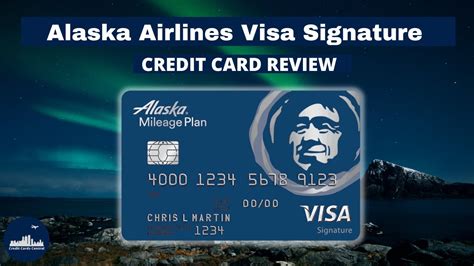
Meanwhile, the existing Alaska Airlines Visa Signature card, issued by Bank of America, is seeing renewed emphasis. It not only grants one mile per dollar spent, but now also elite qualifying miles (EQMs) for every $3 charged — capped at 30,000 EQMs annually. These EQMs are vital for climbing Alaska’s elite tiers and maintaining privileges amid rising redemption thresholds.
A new, premium Alaska Airlines credit card, expected to cost upwards of $400 per year, is under development. While details are scarce, travelers are hoping it includes expanded companion fares — possibly even on Hawaiian’s international routes.
Elite Benefits: Status Match with a Catch
The status match from Alaska to Hawaiian is not automatic. One must open a HawaiianMiles account to activate the match. Furthermore, elite benefits are not fully reciprocal yet. For instance, having MVP Gold on Alaska does not automatically guarantee free bags or upgrades on Hawaiian flights unless that HawaiianMiles account is already tiered.
This is a delicate moment. Travelers who rely on elite perks must tread carefully, ensuring their accounts are set up to take advantage of transitional benefits, while understanding the temporary nature of many of these arrangements.
Expanded Service to Asia and the Pacific
Hawaiian Airlines is also moving aggressively into international expansion, especially from Seattle, where it now offers new nonstop flights to Tokyo-Narita and Seoul-Incheon. These routes — positioned against Japan Airlines and Korean Air — are strategically essential to bolster Hawaiian’s presence in the lucrative transpacific market.
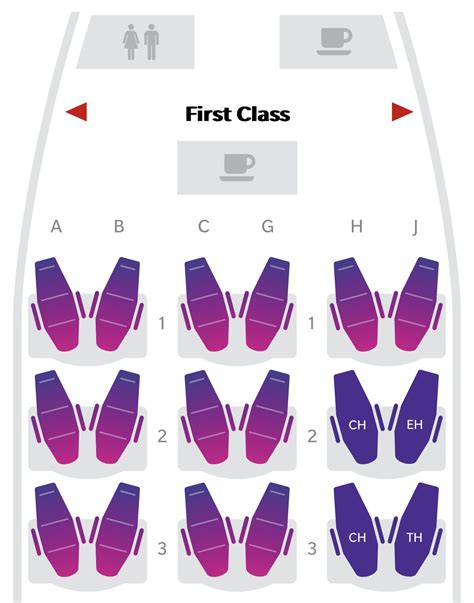
From June 12, twice-daily wide-body Airbus A330 service begins between Anchorage and Seattle, featuring lie-flat business class seating. While three hours may not warrant a full rest, the premium seat experience elevates the travel class notably.
However, to earn mileage on these flights, passengers must have an active HawaiianMiles account. Alaska’s mileage system won’t automatically credit these flights, underscoring the need for dual account management.
Partner Ecosystem in Flux
Hawaiian’s prior mileage partnerships with Japan Airlines and Korean Air end in June, further complicating the web of loyalty benefits. Though Japan Airlines remains a Oneworld partner, its booking visibility on AlaskaAir.com is still limited — especially since the route competes directly with Hawaiian’s own Tokyo flight.
Alaska Airlines continues to emphasize booking partner flights directly through its website. Doing so maximizes mile accrual — often even on economy fares. In contrast, booking through partner sites results in diminished mile earnings. A recent example underscores this: a flight booked on Royal Air Maroc’s website earned just 25% of the distance as redeemable miles, even though the airline is a full Oneworld member.
Still, booking through partner sites can unlock other alliance benefits, such as extra legroom or elite check-in privileges — not always available when booked through Alaska.
Award Tickets and Elite Miles: A Welcome Policy Shift
A critical shift in Alaska’s loyalty system this year is the introduction of elite qualifying miles for award flights. This change allows frequent flyers to progress toward MVP or MVP Gold status even when flying on redeemed tickets. For example, a round-trip to Seattle on award miles now reduces the annual threshold to 18,552 miles, rather than the standard 20,000.
However, travelers must understand that while these flights accrue EQMs, they do not increase redeemable mile balances. The distinction is subtle but impactful for long-term strategic use of the program.
Philippine Airlines Joins, but Limitations Remain
Philippine Airlines has joined Alaska’s roster of partners, aligning with its newly launched Seattle–Manila nonstop service. While this adds a valuable Pacific destination, there’s a catch: travelers cannot yet earn or redeem miles through Alaska’s Mileage Plan for these flights. Alaska promises this functionality is coming soon — another example of the integration’s ongoing, incomplete status.
Earning Miles Beyond the Flight: Portals, Dining, and Rent
As redemption thresholds climb, Alaska is creating new channels to accumulate miles. Through Mileage Plan Shopping, Dining Rewards, and the increasingly popular Bilt Rewards rent-payment partnership, members can earn miles without boarding a plane.
However, as miles become easier to earn, their redemption value continues to drop. Award charts are gradually inflating, and what once cost 12,500 miles might soon require 20,000 or more. That’s why many frequent travelers adopt the “earn and burn” philosophy: spend your miles quickly, before devaluation erodes their worth.
The Bigger Picture: Alaska-Hawaiian Integration Is Far From Complete
Despite visible progress, including route expansion, mileage transfer options, and credit card promotions, the true merger of Alaska and Hawaiian remains in progress. Regulatory hurdles, IT system integration, alliance negotiations, and competitive pressures all remain in flux.
For now, savvy travelers will benefit most by:
- Maintaining accounts in both Mileage Plan and HawaiianMiles
- Staying current on alliance news and mileage program updates
- Booking through Alaska’s website when possible
- Taking advantage of transitional perks like status matching
- Earning aggressively, but redeeming before values slip
While change is inevitable, those who adapt quickly and strategically stand to gain the most. Whether heading to Honolulu, Tokyo, or Anchorage, understanding the nuances of this evolving airline relationship will make the difference between merely flying — and flying smart.