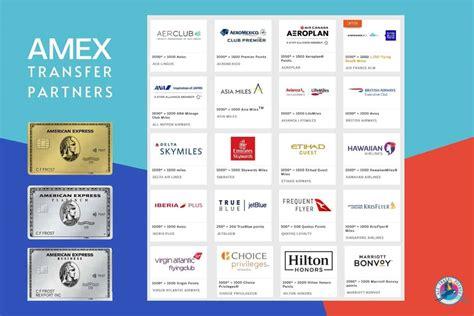
American Express has officially confirmed that it will terminate all Membership Rewards transfers to Hawaiian Airlines as of June 30, 2025. A subtle but impactful update now appears on the transfer partner section of the Amex website, signaling the final chapter of a long-standing partnership that many travelers relied upon for strategic point redemptions, especially to and from the Hawaiian Islands. This move is not simply a procedural update—it signals deeper shifts in airline loyalty programs, credit card ecosystems, and the dynamics between financial institutions and airline partners.

Why the Amex-Hawaiian Split Matters
The ability to transfer American Express Membership Rewards points to Hawaiian Airlines was once a highly valuable option for those planning Pacific routes, particularly for savvy travelers seeking outsized value on redemption flights. The sudden end to this partnership comes amid significant changes within the airline landscape, most notably the impending merger between Hawaiian Airlines and Alaska Airlines, which is expected to be completed later this year.
While some optimists had hoped for a renewed agreement or a new partnership post-merger, recent industry insights and executive comments suggest otherwise. Alaska Airlines’ leadership has confirmed their continued commitment to Bank of America as their primary credit card partner, supplemented by Bilt Rewards—leaving little room for American Express in the future loyalty framework.
The End of a Valuable Transfer Pathway
This change effectively cuts off one of the last direct paths for Amex cardholders to access Alaska Airlines Mileage Plan through an indirect route: Amex ➝ Hawaiian ➝ Alaska. This transfer workaround was previously a niche but effective strategy, particularly for booking premium cabin redemptions on American Airlines flights using Alaska miles.
With this avenue now closing, and no replacement in sight from Amex, users will be forced to reconsider their points strategies. This marks a loss not just for Hawaiian Airlines loyalists, but for any frequent flyer who leveraged the Amex ecosystem for its versatility.

Strategic Implications of the Alaska-Hawaiian Merger
The broader context of this decision lies in the upcoming integration of loyalty programs between Alaska Airlines and Hawaiian Airlines, which is expected to launch formally in August 2025. According to industry chatter and leadership comments, the new loyalty program will likely mirror a model similar to Flying Blue (Air France/KLM), offering unified accrual and redemption options, but centralized through a limited set of credit card partners.
This approach appears to prioritize control and exclusivity—traits preferred by legacy carriers aiming to deepen profitability from their loyalty programs. Such strategic repositioning often leads to the elimination of external transfer partnerships, particularly those that can introduce liability through large-scale point transfers from programs like Amex.
The Bilt and Bank of America Future
In place of Amex, Bilt Rewards is rapidly becoming a central figure in the new ecosystem. Despite its relative newness, Bilt offers transfer capabilities to both American Airlines and Alaska Airlines, which provides a viable alternative—particularly for renters, who earn rewards on monthly payments. However, its usefulness is limited for those not living in rented accommodations or uninterested in a separate card ecosystem.
Meanwhile, Bank of America remains entrenched as Alaska’s long-time credit card partner, and is reportedly preparing to launch a new premium Alaska Airlines co-branded card. This development signals a strategy to fortify its exclusivity with the newly merged airline and possibly introduce enhanced earning rates, premium benefits, and tighter loyalty integration that leaves no space for American Express.

Transfer Deadlines and Urgent Moves
For travelers holding large balances of American Express Membership Rewards points, the window for transferring to Hawaiian Airlines is now shrinking. All transfers must be completed by June 30, 2025. While it’s expected that redemptions made before the cutoff will be honored, travelers should anticipate the possibility of award chart changes, availability reductions, and devaluations, especially as the merger finalizes.
There have already been quiet adjustments on key routes, particularly award flights between Asia and the U.S., with costs doubling in some cases despite stable published mileage charts. Routes such as Tokyo Haneda to Taipei Songshan—once available for just 7,500 miles—have recently jumped to 15,000. It’s a clear signal that award arbitrage windows are closing fast.
Last Chance Redemptions: Value Routes Still Worth It
Despite looming shutdowns, some redemption sweet spots still exist. For example, first-class flights from Hawaii to the U.S. mainland on American Airlines have recently been available through Hawaiian/Alaska partnerships for just 15,000 Amex points, providing a rare case of luxury travel at economy rates. But these redemptions are heavily subject to availability and blackout dates, and the clock is ticking.
Anyone sitting on a large reserve of Membership Rewards should consider:
- Booking now for travel through early 2026
- Confirming partner availability via the Hawaiian Airlines site
- Transferring points strategically to lock in low-mileage rates before devaluations take hold
What Comes Next for Amex Transfer Strategy?
The loss of Hawaiian Airlines shrinks American Express’s once-broad airline transfer portfolio, reducing options for Pacific travelers. Amex still maintains strong partnerships with Delta Air Lines, Air Canada Aeroplan, ANA, and Singapore KrisFlyer, but this change exposes a deeper trend: Amex is losing access to U.S. domestic carriers outside of Delta.
With no pathway to Alaska Airlines or American Airlines, and with United remaining exclusive to Chase, the U.S. transfer market is becoming increasingly fragmented. This forces Amex cardholders to either:
- Double down on international travel redemptions
- Consider pairing their Amex strategy with a second ecosystem like Chase, Bilt, or Capital One
- Leverage hotel transfer partners where value is still competitive
Industry Ramifications and Credit Card Churner Strategies
The evolving relationships between credit card issuers and airline partners reflect broader consolidation trends in the travel and finance sectors. As mergers reduce the number of independent loyalty programs, the barriers to entry for external partners like Amex increase. Airline CEOs are signaling a clear preference for exclusive banking relationships, not open transfer ecosystems.
This shift also sparks urgency in the credit card churner community, where many are now eyeing Barclays’ Hawaiian and American Airlines cards for one last round of signup bonuses before they potentially disappear. Data points suggest these cards may soon be discontinued or converted, especially given Citi’s increasing dominance in the OneWorld space and Barclays’ weakening U.S. foothold.

Looking Ahead: Will Amex Ever Regain a Pacific Partner?
Speculation continues about whether Amex will forge a new relationship with JetBlue, Southwest, or even an international carrier like Starlux to fill the void left by Hawaiian. But these opportunities are shrinking. JetBlue’s trajectory remains uncertain amid rumors of a potential merger with either Alaska-Hawaiian or United, and Southwest remains stubbornly uninterested in point transfer partnerships.
Unless Amex introduces a new surprise partner—or gains back access via corporate acquisitions—this may mark the end of Amex’s Pacific dominance. Travelers who once viewed Amex as the premier platform for award flights to Hawaii may now need to pivot.
Final Thoughts
The end of Amex-Hawaiian Airlines transfers on June 30, 2025, is more than a single partnership dissolution—it’s a watershed moment in the evolving travel rewards landscape. It reflects the growing exclusivity of loyalty programs, the consolidation of airline credit card partnerships, and the narrowing of redemption avenues for points enthusiasts. For travelers and credit card holders alike, the next 12 months represent a crucial window to reallocate points, book high-value redemptions, and adapt to a new era where fewer transfer options demand sharper strategy and faster action.