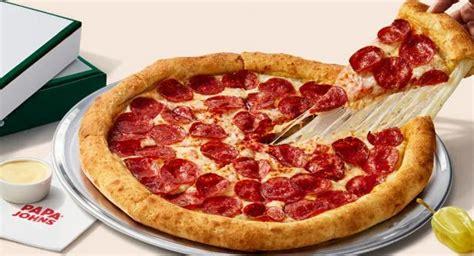
Spirit Airlines customers who suddenly found themselves holding unusable loyalty points are getting an unexpected consolation prize from Papa Johns. In a marketing move that has quickly spread across airline and travel communities, the pizza chain launched a campaign offering free large pizzas to former Free Spirit members after the ultra-low-cost carrier suspended operations earlier this month.
The promotion, called “Skies to Pies,” arrives at a moment when thousands of travelers are still dealing with canceled flights, uncertain refunds, and loyalty balances that may never regain value. While airlines typically guard their frequent flyer programs as billion-dollar strategic assets, Spirit’s collapse exposed how fragile those ecosystems can become when a smaller standalone carrier abruptly disappears.
For many frustrated customers, a pizza redemption suddenly feels more tangible than airline miles.
Papa Johns Launches “Skies to Pies” Promotion For Spirit Customers
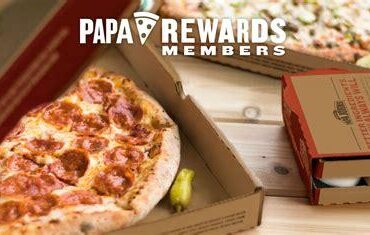
Papa Johns designed the campaign specifically for members of Spirit Airlines’ Free Spirit loyalty program. Customers are required to send proof of their airline loyalty membership through Instagram alongside confirmation that they are enrolled in Papa Rewards. Once verified, qualifying participants receive a promotional code for a free large one-topping pizza.
The offer is capped at the first 250 participants, creating a rush among stranded travelers eager to recover at least some value from their now-frozen airline rewards.
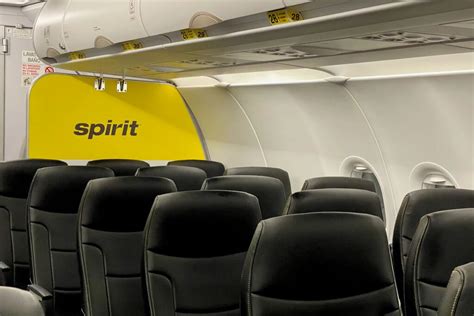
The timing of the campaign is what transformed a relatively small promotion into a viral aviation story. Spirit Airlines halted operations on May 2, grounding its all-Airbus fleet and disrupting routes throughout the United States, Latin America, and the Caribbean. Passengers who booked flights with traditional payment methods were told eligible refunds would be processed automatically, but major uncertainty remains around travel credits and loyalty balances accumulated over years of spending.
Papa Johns leaned directly into that frustration.
Shivram Vaideeswaran, Senior Vice President of Brand Marketing at Papa Johns, acknowledged the airline disruption while positioning the campaign as a goodwill gesture for affected passengers.
“While we can’t fix cancelled flights or lost membership points, hopefully we can provide a smile and a delicious pizza to those impacted.”
The quote rapidly circulated online, especially among frequent flyer communities already debating whether the pizza chain had effectively offered more immediate value than some airline loyalty programs themselves.
Spirit Airlines’ Shutdown Leaves Loyalty Members With Limited Options
Spirit Airlines built its business around the ultra-low-cost carrier model, keeping base fares low while generating significant revenue through optional extras. Customers earned Free Spirit points not only through airfare purchases but also through baggage fees, priority boarding, seat assignments, and spending tied to Spirit’s co-branded credit card partnerships.
That structure helped Spirit monetize nearly every stage of the passenger journey. However, it also created a loyalty system heavily dependent on the airline’s continued operations.
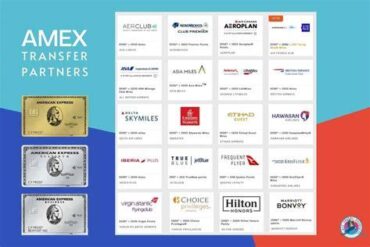
Unlike major international carriers connected to alliances such as Star Alliance, SkyTeam, or oneworld, Spirit lacked broad redemption partnerships that could have protected customer balances during operational turmoil. Free Spirit points were largely confined within Spirit’s own ecosystem, meaning customers had few alternative ways to redeem them once flights stopped.
The collapse instantly turned millions of loyalty points into uncertain digital currency.
Aviation analysts have repeatedly warned that smaller airline loyalty programs carry substantially more risk than travelers often realize. Large carriers frequently separate their loyalty divisions into enormously profitable financial businesses backed by extensive banking relationships and global redemption networks. Smaller airlines rarely possess the same structural protections.
Spirit’s downfall became a real-world demonstration of that vulnerability.
Travel forums and social media platforms quickly filled with passengers questioning whether years of loyalty spending had effectively vanished overnight. Some users joked that a free pizza represented better redemption value than their airline points ever delivered in practice. Others expressed anger that no formal transfer or compensation mechanism existed for stranded balances.
The sudden attention placed unusual focus on a subject airlines typically prefer customers not to examine too closely: loyalty currencies only retain value as long as the issuing company survives and honors them.
The Collapse Of A Major Ultra-Low-Cost Competitor
Spirit Airlines was one of the defining names in the modern ultra-low-cost carrier sector. The airline transformed itself during the 2000s by aggressively embracing unbundled pricing, offering rock-bottom base fares while charging separately for services traditionally included on legacy airlines.
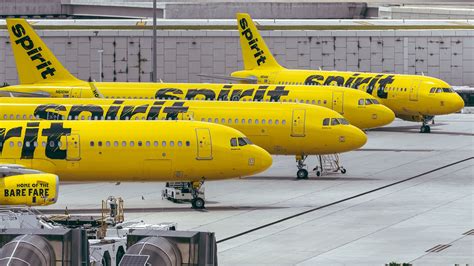
Its bright yellow aircraft, densely packed cabins, and unapologetic fee structure made Spirit simultaneously controversial and enormously recognizable.
Critics regularly targeted the airline over customer service complaints and additional fees, yet millions of passengers continued flying Spirit because the pricing strategy dramatically lowered travel costs on competitive leisure routes.
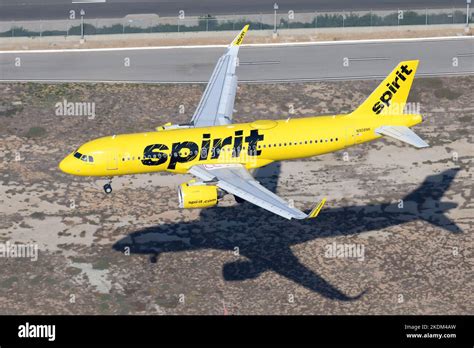
Industry observers widely credited Spirit with pressuring larger airlines to reduce fares on overlapping routes, particularly in Florida, Las Vegas, and Caribbean vacation markets. The airline’s aggressive pricing frequently forced competitors to introduce stripped-down “basic economy” products to match lower ticket prices.
With Spirit now absent from the market, analysts expect airfare increases on several former routes where low-cost competition suddenly disappeared.
The operational shutdown also triggered massive logistical consequences behind the scenes. Aircraft ferry operators began repositioning Spirit jets to long-term desert storage facilities, while pilots and employees faced sudden uncertainty surrounding contracts and future employment opportunities.
For passengers, however, the most visible consequence became the immediate collapse of the loyalty ecosystem attached to the airline.
Why The Papa Johns Promotion Resonated So Strongly
Papa Johns likely never expected a limited pizza giveaway to become a case study in airline loyalty economics, yet the campaign struck a nerve because it delivered something travelers currently value more than vague future promises: immediate, usable benefits.
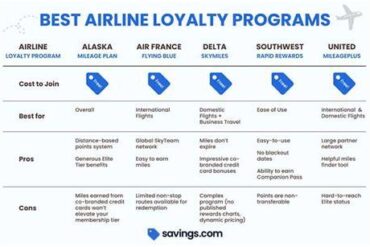
Frequent flyer programs have evolved far beyond simple customer rewards systems. Major airlines increasingly treat them as independent financial engines capable of generating billions through partnerships with banks and credit card issuers. In some cases, loyalty programs are considered more financially valuable than the airlines operating the flights themselves.
Spirit’s situation demonstrated the opposite side of that equation.
Without broad partnerships or alliance protections, Free Spirit points became trapped within a collapsed ecosystem. Travelers who accumulated balances through years of flights, baggage purchases, and card spending suddenly discovered how quickly those digital assets could lose practical value.
That reality is precisely why Papa Johns’ campaign gained traction across both travel and business media.
The promotion may only provide a single free pizza, but it also symbolized something larger: a recognizable consumer brand stepping into a loyalty vacuum left behind by a failed airline. For some stranded Spirit customers, the pizza redemption may become the only successful use of their loyalty membership after the carrier’s abrupt shutdown.
In an industry built on promises of future rewards, immediate gratification suddenly became surprisingly powerful.