Delta Air Lines has announced a significant shift in its boarding procedures, specifically impacting its most elite group of travelers — the Delta 360 Medallion members. As of May 16, 2025, these invite-only, high-spending customers will no longer enjoy pre-boarding privileges. Instead, they will now board in Zone 2, grouped with Diamond Medallion members, just after first-class passengers.
This change marks a stark departure from the preferential treatment previously afforded to Delta 360 members, who were granted early access to the cabin — often boarding ahead of all other passengers save for those requiring assistance and active-duty military personnel.
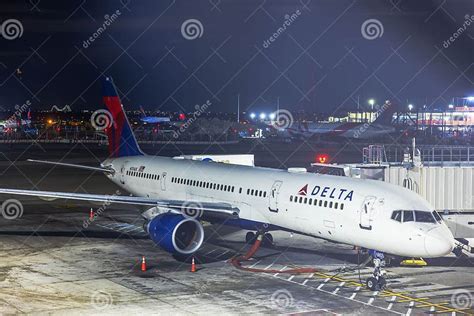
Delta 360 Medallion Status: A Tier Above All Others
The Delta 360 designation is not one travelers can apply for. It is exclusive, invitation-only, and sits above the published Diamond Medallion level. Delta has historically referred to Delta 360 as a reward for its “most loyal SkyMiles members,” typically extended to individuals who not only fly frequently on Delta but who also expend significant amounts—often in excess of $100,000 per year—on flights and Delta’s co-branded American Express cards.
Comments from frequent flyers reveal that access thresholds are ambiguous and vary based on market conditions, influence over corporate travel spend, and purchasing patterns. “I generally spend between 200-400k with Delta annually,” one frequent flyer shared in a Reddit forum. “They seem to be tightening qualifications—360s who spent less than $150,000 got cut this last year.”
Official Response and Strategic Rationale
Delta’s public justification for this policy shift was succinct. According to a spokesperson, “At Delta we regularly refine our boarding processes to ensure a more seamless and efficient experience for all customers.” While efficiency is a credible rationale, the optics of removing a visible elite benefit has not gone unnoticed.
To Delta 360 members, the privilege of pre-boarding was not just about getting on the plane first. It symbolized the culmination of loyalty, spending power, and exclusivity. For many, having invested six figures annually in the airline, being bumped to Zone 2 feels less like a streamlining and more like a devaluation.
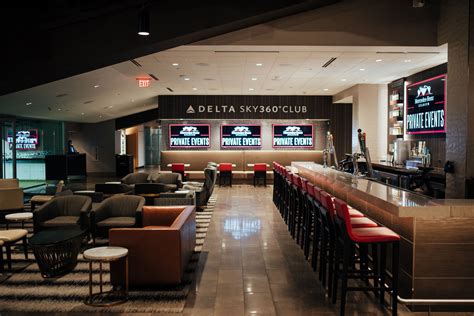
Broader Trend of Loyalty Program Devaluation
Delta’s decision arrives amid a broader industry trend: frequent flyer program erosion. U.S. airlines, including United and American, have moved toward dynamic pricing models for rewards flights, eliminating fixed charts and reducing transparency. This shift has made it increasingly difficult for members—even top-tier ones—to extract maximum value from their miles.
In December 2024, the U.S. Department of Transportation (DOT) initiated a probe into the rewards programs of the four largest U.S. airlines, including Delta. The investigation targets potential unfair, deceptive, or anticompetitive practices. Concerns include:
- Retroactive devaluation of earned rewards
- Opaque and dynamic pricing structures
- Excessive fees tied to points redemption or maintenance
- Anti-competitive mergers leveraging loyalty program assets
This regulatory scrutiny underscores the growing dissatisfaction among frequent flyers, many of whom see loyalty programs as increasingly profit-driven, with benefits frequently downgraded post-qualification.

Implications for Brand Loyalty and Premium Perception
Delta’s SkyMiles program has long been positioned as a premium loyalty ecosystem. By downgrading a flagship benefit for its highest-paying customers, Delta risks damaging the perceived value of its elite tier. For frequent travelers who have chosen Delta over competitors based on perks like pre-boarding, this move could be a tipping point.
While the airline claims this is about “efficiency,” the symbolism of the change outweighs the operational rationale. Boarding privileges are more than just convenience—they are status markers, particularly for those in invite-only tiers who expect white-glove treatment.
At a time when Delta is actively courting corporate and ultra-frequent travelers, this change could unintentionally signal that spending power no longer guarantees exclusivity.
Operational Efficiency vs. Elite Recognition
Some airline analysts defend the move, arguing that an increasing number of boarding zones has slowed the boarding process, creating confusion for other travelers. By consolidating elite boarding groups, Delta may indeed improve efficiency and reduce gate congestion.
Yet, efficiency comes at a cost. Boarding is one of the few visible loyalty differentiators. While seat upgrades, miles multipliers, and phone support are valuable, they remain largely invisible to the broader public. Boarding order is public and ritualized, offering members an opportunity to showcase their elite status.
From a strategic perspective, removing pre-boarding could also help reallocate resources to other tiers, potentially enhancing the experience for a broader group—such as Diamond and Platinum members—at the cost of 360 exclusivity.
Comparisons With Competitor Loyalty Programs
Delta’s move stands in contrast to American Airlines’ Concierge Key and United Airlines’ Global Services, both of which continue to extend front-of-the-line boarding and premium benefits to their elite invite-only members. These programs maintain exclusive check-in counters, luxury car transfers on tarmacs, and prioritized boarding access—perks viewed as essential to retaining ultra-loyal clients.
As Delta repositions its 360 experience, the question becomes: What new perks will replace the lost boarding privilege? Without a meaningful offset—such as enhanced SkyClub access, private ground transportation, or guaranteed upgrades—the perception of value among Delta’s highest spenders could erode.
Potential Strategic Pivot: Loyalty as a Profit Center
Over the past decade, loyalty programs have transformed from customer retention tools to billion-dollar financial assets. Delta’s SkyMiles program is estimated to be worth upwards of $20 billion, with American Express co-branded cards alone contributing billions in annual revenue.
The need to protect that revenue stream may be guiding Delta’s hand. Reducing cost-intensive perks, streamlining operations, and pushing more travelers into the same boarding group could be part of a larger cost-efficiency model designed to maximize profitability from elite customers without dramatically sacrificing their spend.
Yet, such moves are not without risk. In a world where perceived value drives loyalty, Delta must now navigate the fine line between operational efficiency and the emotional equity of elite status.
Conclusion: Is the Sky Still the Limit for Delta 360?
The demotion of Delta 360 members from pre-boarding status represents more than just a change in gate protocol—it signals a philosophical shift in how airlines reward their most valuable customers. It raises critical questions about the future of loyalty programs, the role of elite tiers, and whether airline rewards are becoming more transactional than relational.
For those who’ve invested deeply in Delta, the coming months will reveal whether the airline intends to replace privilege with practicality, or whether this is merely the first in a series of recalibrations that could redefine elite travel.
One thing is certain: in the fiercely competitive world of premium aviation, loyalty must feel luxurious—or it won’t last long.