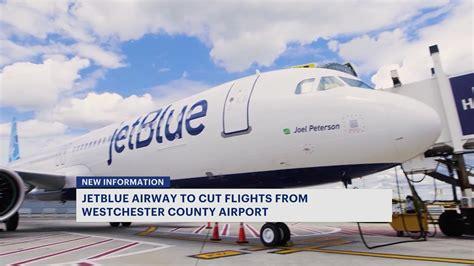
JetBlue Airways, a once-celebrated innovator in the U.S. airline industry, now stands at a precarious financial crossroads. With its JetBlue bankruptcy risk escalating, the company has launched a series of aggressive cost-cutting measures, trimming routes, grounding aircraft, and reducing leadership roles to stave off a potential collapse. This unfolding crisis comes in the wake of its failed merger with Spirit Airlines, an outcome that has left JetBlue more vulnerable than ever in a volatile aviation market.
Financial Headwinds and a Tenuous Industry Landscape
Operating an airline is notoriously capital-intensive. From aircraft maintenance to pilot salaries and airport fees, the fixed costs are staggering. In normal times, these expenses are manageable, but when revenue dips or demand fluctuates—as seen post-pandemic—profitability becomes elusive. For JetBlue, the pressure intensified after regulators blocked its proposed merger with Spirit Airlines. The merger would have offered scale, access to more routes, and much-needed capital relief.
Without the cushion that merger synergies might have provided, JetBlue’s financial outlook dimmed sharply. It has become clear that the company must now chart a survival course on its own terms, relying on internal reforms, efficiency measures, and operational discipline. According to MacroAxis, JetBlue’s current probability of financial distress is just under 26%. While not alarmingly high, it is significant enough to signal underlying turbulence.
JetBlue Slashes Core Operations to Reduce Burn Rate
JetBlue’s cost-cutting strategy is far from superficial. The airline has begun deep operational reductions, targeting areas traditionally viewed as foundational to airline success:
- Flight Frequency Cuts: Flights on historically low-demand days such as Tuesdays and Wednesdays are being slashed. This move is meant to concentrate traffic on high-demand days and reduce underutilized capacity.
- Route Eliminations: Entire routes are being discontinued, even some with future growth potential, as short-term losses outweigh long-term bets.
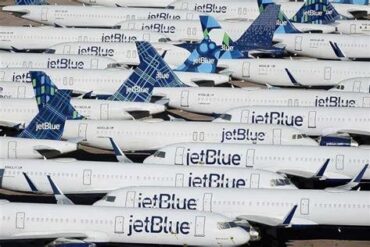
- Aircraft Grounding: Four Airbus A320s are being parked indefinitely. This not only reduces maintenance and fuel costs but also aligns fleet usage with demand.
- Leadership Reductions: Significant layoffs within the executive ranks aim to trim upper-level compensation packages and reduce corporate overhead.
- General Budget Cuts: Spending across departments—from marketing to corporate travel—is being scrutinized and downsized.

JetForward: A Strategic Reset Amid Financial Turmoil
To bring structure to these reforms, JetBlue has rolled out the JetForward plan, a long-term restructuring initiative aimed at aligning operations with economic reality. CEO Joanna Geraghty has described JetForward as a comprehensive approach to rationalizing supply with actual customer demand.
This strategy includes adjusting flight schedules with market needs, shedding excess capacity, and rethinking network distribution. Notably, JetBlue was one of the first carriers to make these adjustments ahead of competitors, signaling both urgency and readiness to confront harsh truths.
JetForward also includes:
- Enhanced Efficiency Metrics: A new performance matrix designed to monitor profitability by route, aircraft type, and crew cost in real time.
- Tech-Enabled Cost Control: Integration of AI-based forecasting models to streamline crew scheduling, fuel usage, and maintenance intervals.
- Labor Relations Adjustments: In ongoing talks with unions, JetBlue is seeking more flexible workforce arrangements in exchange for longer-term job security.
Brand Resilience: Can Loyalty Outweigh Operational Cuts?
Despite visible operational contraction, JetBlue has surprisingly maintained strong brand loyalty. The airline’s Net Promoter Score (NPS)—a widely used metric to gauge customer satisfaction—has risen annually, even amid cutbacks. This suggests that many customers still view JetBlue favorably, perhaps due to its customer-friendly policies, onboard experience, and legacy of innovation.
Geraghty emphasized that this loyalty is a competitive asset: “Customer trust gives us the breathing room we need. As long as we deliver reliability and transparency, people will stick with us through this storm.”
Still, it remains uncertain how long this goodwill can endure. Frequent travelers and business-class clients may begin to shift to competitors if service reliability or route availability falters. The balance between operational trimming and customer retention is delicate—and JetBlue must walk that tightrope with precision.
The Failed Spirit Merger: A Missed Lifeline
JetBlue’s current hardship is undeniably exacerbated by the failed merger with Spirit Airlines. The merger, initially proposed in 2022, promised to deliver economies of scale, an expanded network, and a stronger presence in key U.S. markets. However, the U.S. Department of Justice opposed the merger on antitrust grounds, citing fears it would reduce competition and raise ticket prices.
The collapse of this deal left JetBlue with:
- No Expansion Cushion: No access to Spirit’s routes or gate slots.
- No Additional Fleet Capacity: Plans to absorb Spirit’s aircraft for network coverage were scrapped.
- Lost Capital Resources: The merger would have brought in investor confidence and debt refinancing options, now unavailable.

Market Position and Competitor Pressure
As JetBlue retreats to consolidate, competitors like Delta, Southwest, and United continue to expand strategically. JetBlue’s retreat from some secondary markets—such as routes between smaller East Coast cities and Florida—is opening gaps that rivals are already exploiting. This loss of footprint may have long-term ramifications.
In particular, low-cost competitors like Frontier and Allegiant are ramping up marketing efforts to lure former JetBlue flyers. At the same time, major carriers are pushing business-class upgrades and loyalty programs that could erode JetBlue’s unique brand position.
JetBlue’s survival may hinge not only on cost control, but also on market presence retention. Losing too much ground too quickly risks relegating the carrier to a niche operator rather than a national contender.
Financial Health: Not Bankrupt, But Bleeding
JetBlue’s balance sheet reflects the strain. Quarterly income reports have shown declining margins, and cash burn remains elevated despite cost cuts. Yet, the airline is not on the brink of insolvency. It maintains:
- Liquidity Buffers: Over $1.5 billion in available liquidity from cash reserves and revolving credit.
- Debt Management: While leverage ratios have increased, maturities are spread over the next five years.
- Asset Ownership: Many of JetBlue’s aircraft are owned, not leased, allowing for collateral-based refinancing if needed.
Analysts caution that while JetBlue’s bankruptcy risk is real, the airline still has enough flexibility to pull back from the edge. Its financial strategy now hinges on careful execution of JetForward and sustained route optimization.
The Road Ahead: Reinvention or Decline?
JetBlue is at an existential crossroads. The decisions it makes over the next 12 to 24 months will shape its legacy. If the JetForward plan succeeds, JetBlue could emerge leaner, more efficient, and capable of regaining its innovative edge. If missteps persist, the airline risks marginalization—or worse, Chapter 11 protection.
Critical to this turnaround will be:
- Retaining Core Talent: Maintaining frontline staff morale and pilot retention.
- Smart Fleet Management: Avoiding over-reliance on grounded aircraft and balancing route demand.
- Investor Confidence: Sustaining market credibility to avoid credit rating downgrades.
The airline industry has seen giants fall before—Pan Am and TWA serve as haunting reminders. JetBlue’s efforts to streamline, restructure, and reconnect with its base may yet prevent it from becoming another cautionary tale.
Conclusion: Navigating Turbulence with Strategic Urgency
JetBlue’s response to its financial crisis reflects both desperation and determination. Faced with the threat of bankruptcy, it has acted decisively—cutting routes, grounding planes, and initiating leadership changes. The JetForward plan offers a roadmap to stability, but its success depends on rigorous execution and an unwavering commitment to efficiency.
While the airline’s financial distress is significant, it is not yet fatal. With customer loyalty holding firm and liquidity buffers in place, JetBlue still has a chance to steer clear of bankruptcy. The question remains: can it sustain this delicate balance before time and resources run out?
For now, JetBlue’s future remains in flux, its fate suspended between strategic discipline and market unpredictability. What happens next will determine whether the brand becomes a comeback story—or a case study in missed opportunity.