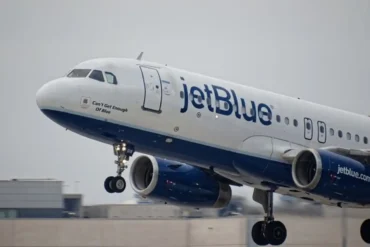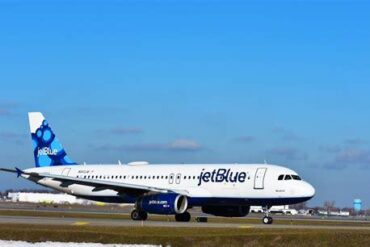
As the airline industry grapples with unprecedented challenges, JetBlue Airways is facing a significant financial crisis that has compelled it to make drastic adjustments to its flight operations. Recent announcements from the airline indicate a substantial reduction in flight schedules, alongside the grounding of a considerable number of its aircraft. This troubling development comes as JetBlue’s CEO, Joanna Geraghty, conveyed an internal message revealing that achieving a break-even operating margin for 2025 is now deemed unlikely. The current state of affairs reflects a broader struggle within the airline sector, as JetBlue contends with weaker-than-anticipated travel demand and escalating operational costs.
Financial Strain Forces Major Decisions
The latest updates from the airline highlight the precarious path JetBlue is navigating, marked by high operational expenses and declining passenger numbers. In a bid to address these mounting pressures, the company has initiated a series of cost-cutting measures that include scaling back its flight schedules and temporarily grounding a portion of its fleet. Although JetBlue remains hopeful for a rebound in travel bookings, it acknowledges that any potential recovery will fall short of compensating for the setbacks it has experienced throughout 2025. The airline’s leadership has openly recognized the ongoing issues surrounding travel demand and operational costs, emphasizing the challenges that lie ahead in its quest for financial stability.
Aircraft Groundings and Operational Cost Surge
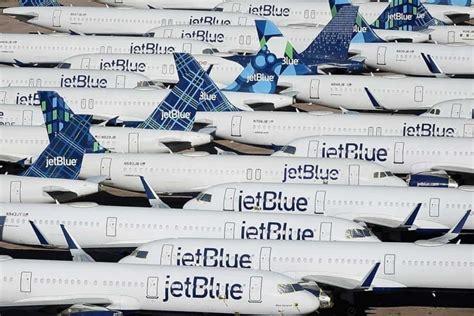
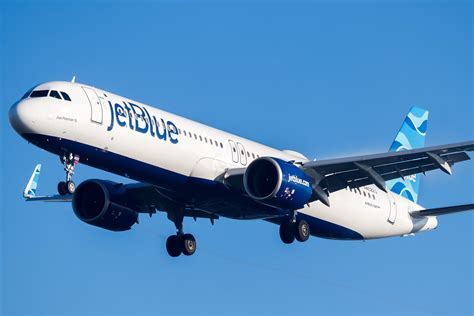
A pivotal factor contributing to JetBlue’s financial difficulties is the ongoing inspections of Pratt & Whitney’s Geared Turbofan (GTF) engines, which power many of its newer, fuel-efficient aircraft. These inspections have resulted in the grounding of several Airbus A321neo and A220 aircraft, leading to substantial increases in costs for the airline. The impact of these groundings extends beyond immediate operational limitations; the absence of these fuel-efficient planes has exacerbated JetBlue’s already strained financial situation. With the grounding expected to persist into 2025, JetBlue faces a daunting challenge in managing its operating costs effectively. The prolonged absence of its most efficient aircraft not only elevates operational expenses but also complicates efforts to achieve a swift recovery.
The Effect of the Failed Merger with Spirit Airlines
Further complicating JetBlue’s predicament is the fallout from its failed merger with Spirit Airlines. Once viewed as a strategic move to enhance JetBlue’s operational scale and reduce costs, the court-blocked deal has left the airline without the competitive edge it desperately sought. The inability to consolidate operations with Spirit Airlines has necessitated a reevaluation of JetBlue’s business strategies. As a result, the airline is implementing significant cuts, including reductions in flight frequencies, to alleviate financial strain. Without the anticipated expansion that the merger would have provided, JetBlue finds itself in a challenging position, striving to innovate and adapt while competing against larger, more established players in the airline industry.
Strategic Adjustments and Cost-Cutting Measures
In response to its financial challenges, JetBlue has embarked on a rigorous program of cost-cutting measures aimed at stabilizing its operations and preserving financial viability. Among the most notable actions taken by the airline is the delay in the delivery of 44 new Airbus jets, a move that is projected to slash capital expenditures by approximately $3 billion through 2029. Additionally, JetBlue has opted to pause the retrofitting of six Airbus A320 aircraft, grounding them temporarily to conserve resources. The airline is now focusing its efforts on more profitable routes while eliminating underperforming flights. These decisive cost-cutting measures are critical for JetBlue as it seeks to navigate a landscape characterized by rising operational costs and an unpredictable market environment.
The Market’s Reaction and Investor Concerns
The latest developments surrounding JetBlue’s financial performance have not gone unnoticed by the investment community, raising alarm bells among investors who are increasingly wary of the airline’s future. JetBlue’s stock has plummeted by more than 42% year-to-date, a reflection of the prevailing uncertainty regarding the airline’s capacity to rebound from its current financial woes. This dramatic decline in stock value signals deep-seated investor skepticism about JetBlue’s ability to turn its situation around, particularly in light of the challenges posed by the failed merger and ongoing travel demand issues. Investors are keenly observing JetBlue’s efforts to stabilize its operations and restore profitability amidst this tumultuous environment.
Bottom Line: A Long Road to Recovery
JetBlue’s pathway to recovery is anticipated to be longer than initially projected, as the airline grapples with a confluence of rising operational costs, weak travel demand, and the repercussions of the failed merger with Spirit Airlines. While the airline is actively pursuing various cost-cutting strategies—including flight reductions and the grounding of aircraft—these measures are essential steps toward improving its financial standing. Despite the formidable obstacles that lie ahead, JetBlue remains committed to refining its operational strategies to better navigate the evolving dynamics of the airline industry. However, the outlook remains uncertain, and the airline’s ability to recover will hinge on its capacity to adapt effectively to the challenges posed by an ever-changing marketplace.