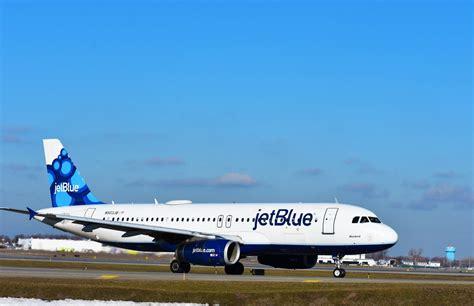
JetBlue Airways, once a disruptor in the U.S. airline market with its spacious cabins and free seat-back entertainment, is entering a new phase of austerity. As the New York-based carrier faces mounting financial headwinds, it has made the difficult decision to retire four of its oldest Airbus A320 aircraft rather than proceed with previously scheduled cabin retrofits. The move, though seemingly surgical, reflects a broader strategic shift for JetBlue as it attempts to stabilize its financial footing in a volatile and competitive industry.
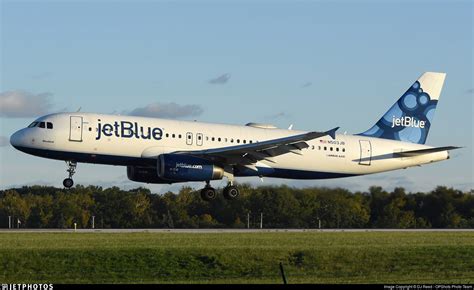
The affected aircraft, all over 24 years old, were part of JetBlue’s original A320 fleet delivered between 1999 and 2001. These airframes are still operating with the airline’s “Classic” 150-seat interior layout—a nostalgic reminder of JetBlue’s early 2000s brand promise, but also a symbol of capital costs the airline can no longer afford to incur. Plans to retrofit these aircraft with JetBlue’s more modern “Restyled” 162-seat configuration have now been shelved for at least four jets, with their fate leaning heavily toward retirement rather than temporary storage.
Why JetBlue Is Scrapping The Retrofit Plan
JetBlue’s initial plan was ambitious: modernize its entire A320 fleet by upgrading all legacy interiors to match newer aircraft configurations, offering enhanced in-flight entertainment systems, improved seating ergonomics, and better space optimization. The updated Restyled cabins, which increase capacity by 12 seats, have been seen as a key pillar of JetBlue’s revenue-per-seat-mile strategy.
However, the reality of post-pandemic recovery lag and ballooning operating costs has forced the airline to reconsider.
In an internal memo sent to employees, CEO Joanna Geraghty explained the rationale behind the shift. “We’re hopeful demand and bookings will rebound,” she said, “but even a recovery won’t fully offset the ground we’ve lost this year, and our path back to profitability will take longer than we’d hoped. That means we’re still relying on borrowed cash to keep the airline running.”
The hard truth is that retrofitting a 25-year-old narrowbody aircraft makes little sense financially when weighed against the limited return on investment such an upgrade could yield. Especially when these aircraft are nearing the end of their economic lifespan.
The A320 Classics: Nostalgia Meets Obsolescence
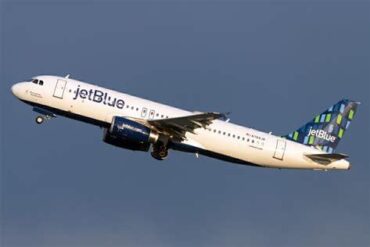
The four aircraft being parked join a sub-fleet of JetBlue’s oldest A320s, colloquially referred to as the “Classics.” Among them is the legendary N503JB “Bluebird,” JetBlue’s inaugural aircraft, which is already parked in Arizona’s Pinal County Airpark, a known aircraft storage site that typically marks the end of operational life for most jets.
These Classic A320s represent JetBlue’s foundational years. Their names—Bluebird, Wild Blue Yonder, Shades of Blue, Born to be Blue—echo the carrier’s quirky, brand-driven marketing that helped it carve out a loyal customer base. But loyalty does not negate the cold arithmetic of maintenance cost curves and fuel efficiency gaps compared to newer aircraft types like the A321neo and the Airbus A220.
Currently, ten Classic A320s remain in active service, but with the latest update, four are set to be grounded indefinitely. Realistically, analysts suggest that the remaining six may not see retrofits either, despite tentative plans to do so in 2026.
Fleet Strategy Restructured Amid Deferred Deliveries
JetBlue’s pivot to aircraft retirement must also be viewed in the context of its broader fleet strategy realignment. In 2023, the airline made the significant decision to defer 44 A321neo deliveries, originally scheduled for 2025 through 2029, to 2030 and beyond. This postponement, aimed at conserving more than $3 billion in capital expenditure, has had ripple effects across operations.
With new aircraft deliveries postponed, older models have been pressed into extended service—essentially keeping aging aircraft flying far longer than originally intended. This has not only burdened the airline with higher maintenance costs but has also led to passenger dissatisfaction over inconsistencies in cabin experience between retrofitted and Classic aircraft.
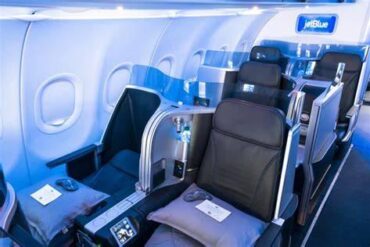
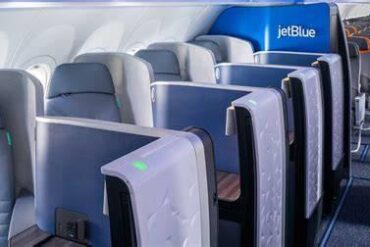
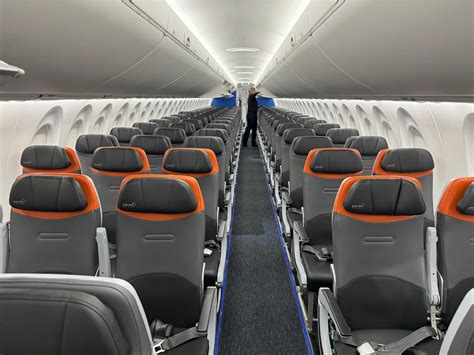
The contrast is stark. The Restyled cabins feature larger seat-back screens, enhanced inflight Wi-Fi, power ports at every seat, and slimmer seats that still offer reasonable comfort. In contrast, the Classics feel dated, even with JetBlue’s still-generous legroom, and the lack of modern amenities has created a jarring inconsistency within the passenger experience.
Route Cuts, Hiring Freezes, and Operational Trimming
The aircraft retirements are not an isolated move—they are part of a wider cost-containment initiative at JetBlue, according to reports from CNBC. In addition to deferring new aircraft deliveries and canceling retrofit plans, JetBlue has also:
- Cut off-peak and underperforming routes, particularly to leisure destinations with soft demand.
- Trimmed hiring projections, slowing down pilot and crew intake to align with revised growth forecasts.
- Reevaluated airport investments, including lounges and infrastructure upgrades, although some high-value terminal developments are still proceeding.
These strategic recalibrations are indicative of an airline in recovery mode, still reeling from a turbulent few years that included both regulatory and market shocks.
Financial Setbacks and the Spirit Merger Collapse
One of the most significant external blows to JetBlue’s long-term strategy came in the form of failed merger attempts. The carrier had aggressively pursued a high-profile merger with Spirit Airlines, a move that would have created the fifth-largest U.S. airline. However, the deal was blocked by a federal judge in early 2024, citing antitrust concerns and potential harm to competition, especially for budget-conscious consumers.
Before that, the Department of Justice had already dissolved JetBlue’s Northeast Alliance with American Airlines in 2023, further weakening its position on valuable transcontinental and East Coast routes.
With two major expansion avenues abruptly shut down, JetBlue has been forced to regroup. Its current posture is one of strategic retreat and internal optimization, rather than outward growth.
A Glimmer of Optimism: New Partnerships and Premium Focus
Despite these setbacks, JetBlue is not abandoning innovation. In May 2025, the airline announced a strategic partnership with United Airlines, allowing reciprocal benefits for members of JetBlue’s TrueBlue and United’s MileagePlus programs. This marks a surprising yet strategic alignment that could generate valuable loyalty crossover traffic and shore up the premium revenue stream JetBlue desperately needs.
Moreover, JetBlue is doubling down on attracting high-yield passengers. It plans to unveil new airport lounges at New York JFK and Boston Logan before year’s end. These premium investments are designed to capture more of the lucrative business traveler segment, which has been slower to return post-COVID but remains essential to profitability.
The End of an Era For JetBlue’s Originals
The decision to park and likely retire four Classic A320s is more than just a fleet adjustment—it is a symbolic pivot for JetBlue. The Classics, once at the heart of JetBlue’s bold entrance into the U.S. aviation market, are being phased out just as the airline itself undergoes a quiet metamorphosis from youthful challenger to pragmatic survivor.
Aircraft like N503JB “Bluebird” and N504JB “Shades of Blue” are not just hardware; they are repositories of brand history. They served on JetBlue’s very first flights, connecting underserved cities with fresh branding, generous legroom, and free DirecTV—revolutionary offerings at the time. But now, their aluminum bodies and outdated interiors no longer align with the demands of modern airline economics.
As JetBlue navigates the road back to profitability, its ability to make these hard decisions—grounding icons, delaying expansion, trimming routes—will likely determine its long-term survival. But if its recent moves toward premium travel, strategic alliances, and fleet simplification hold steady, the airline might yet turn the page on its financial woes while still honoring its legacy.
Tail Numbers Confirmed for Retirement Consideration:
While JetBlue hasn’t officially confirmed which exact four A320s will be parked, aviation insiders suggest the following are high on the list due to age and maintenance profiles:
- N503JB “Bluebird” – Already parked
- N504JB “Shades of Blue”
- N505JB “Blue Skies”
- N506JB “Wild Blue Yonder”
Each of these aircraft entered service between late 1999 and mid-2000 and has surpassed 25 years in age—well into the twilight phase of operational economics for single-aisle jets.
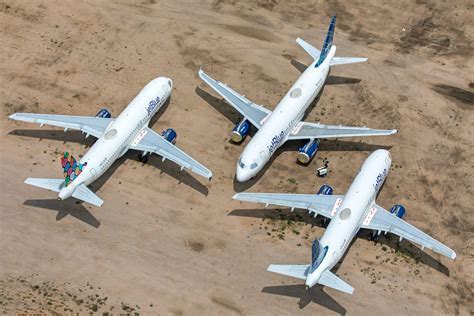
In the end, JetBlue’s ability to strike the right balance between modernization and cost discipline will dictate whether it can recapture the nimble, customer-focused DNA that first set it apart from legacy rivals. The retirement of the Classics may be bittersweet for aviation enthusiasts, but for the airline’s board and investors, it’s a necessary step on a longer journey toward sustainability.