
Delta Air Lines has implemented a sharp 61% reduction in flights on its Detroit to Keflavik route, signaling a decisive shift in transatlantic strategy as external pressures reshape airline economics. What was once planned as a full summer schedule has been compressed into a narrow peak-season window, reflecting both rising operational costs and a recalibration of network priorities.
The Detroit–Keflavik route, spanning 2,426 nautical miles (4,493 km), has been part of Delta’s network since 2023. Initially envisioned as a consistent seasonal offering, the route connected the airline’s Michigan hub with Iceland’s booming tourism gateway. However, the latest schedule update reveals a stark contrast between ambition and execution, as Delta pivots toward profitability over expansion.
The original plan called for 122 departures between early May and early September, operated daily by the Boeing 757-200. That vision has now been scaled back dramatically to just 48 departures, operating only between July 7 and August 23—a period of fewer than seven weeks. This shift effectively concentrates service into the most lucrative segment of the summer travel season, where demand and fares peak.

Fuel Costs and Geopolitical Pressures Reshape Airline Networks
The catalyst behind this reduction lies largely in volatile jet fuel prices, driven by ongoing geopolitical instability, including the Iran conflict. Airlines across the globe are grappling with elevated fuel costs and constrained supply, forcing difficult decisions about which routes remain viable.
For Delta, the Detroit–Keflavik service appears to have been particularly vulnerable. Medium-haul transatlantic routes like this one often operate on thinner margins compared to flagship long-haul corridors. When fuel prices surge, these routes quickly become candidates for capacity cuts or temporary suspension.
Rather than maintaining a stretched schedule with uncertain returns, Delta has opted for a precision-focused approach, aligning capacity with the strongest demand window. This strategy minimizes risk while preserving the route’s presence during its most profitable period.
Performance Data Reveals Underlying Weakness
Operational data offers further insight into why Detroit was targeted for reduction. In 2023, Delta carried 29,408 passengers on the route, achieving a respectable 81.3% load factor. However, the following years told a more nuanced story.
By 2024, passenger numbers rose to 36,136, but the load factor dropped to 78.7%. In 2025, traffic plateaued while the load factor slipped slightly again to 78.5%. Although these figures are not catastrophic, they lag behind Delta’s other Iceland routes.
Compared to Minneapolis (86.2% average load factor) and New York JFK (83.4%), Detroit consistently underperformed. In fact, it ranked as Delta’s 12th weakest European route by load factor, highlighting structural challenges that go beyond short-term market fluctuations.
Strategic Consolidation Around Stronger Hubs
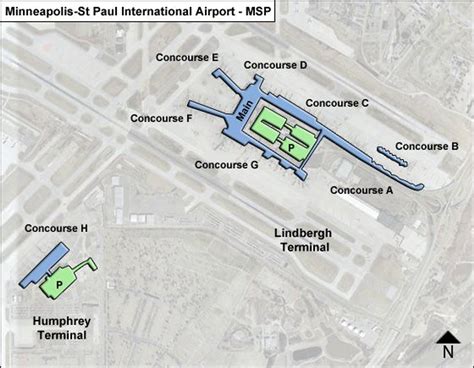
Delta’s decision becomes clearer when viewed through the lens of network optimization. The airline is significantly expanding service from other hubs, particularly Minneapolis and JFK. In 2026, Delta plans 151 departures from Minneapolis (a 39% increase) and 212 from JFK (up 4%).
This expansion suggests a deliberate consolidation of traffic into stronger-performing gateways. Minneapolis, in particular, is emerging as a key hub for Iceland-bound passengers, offering both strong local demand and efficient connectivity.
Detroit, by contrast, relies heavily on connecting passengers. Data indicates that more than two-thirds of travelers on the route were connecting to other flights. While this boosts volume, it often comes at the expense of profitability, as connecting passengers typically generate lower yields and incur higher operational costs.
The Economics of Connecting Traffic
The high proportion of connecting passengers in Detroit underscores a critical issue. Unlike point-to-point travelers, who often pay higher fares for direct routes, connecting passengers are more price-sensitive and require additional logistical coordination.
This dynamic creates a double burden: lower revenue per passenger and higher cost per journey. When fuel prices rise, this imbalance becomes even more pronounced, making such routes less attractive from a financial standpoint.
By shifting capacity to hubs with stronger local demand, Delta can improve both load factors and yield performance. Minneapolis and JFK offer a more balanced mix of origin-and-destination traffic, reducing reliance on connections and enhancing overall route efficiency.
A Shorter Season, But Higher Stakes
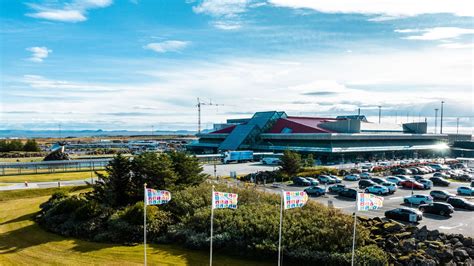
Despite the dramatic reduction in total flights, Delta is not abandoning the Detroit–Keflavik route entirely. Instead, it is doubling down on peak summer demand, ensuring that the flights it does operate are positioned for maximum profitability.
Interestingly, while the overall number of flights to Keflavik will be 5% lower than in 2025, capacity during July and August will actually increase. Delta plans to offer 4% more flights and 5% more seats during this critical period, signaling confidence in peak-season demand.
This approach reflects a broader industry trend: fewer flights, but fuller planes. By tightening schedules and focusing on high-demand windows, airlines can maintain strong financial performance even in challenging economic conditions.
What This Means for Travelers and the Market
For passengers, the reduction means fewer travel options outside the peak summer season, potentially leading to higher fares and reduced flexibility. Travelers planning trips to Iceland from Detroit may need to adjust their schedules or consider alternative hubs.
At the same time, the intensified focus on peak travel periods could result in better flight availability and more consistent service during the busiest weeks of the year. For Delta, this is a calculated trade-off that prioritizes profitability over breadth of service.
Ultimately, the reduction of the Detroit–Keflavik route illustrates how airlines are adapting to a rapidly changing landscape. With fuel prices, geopolitical risks, and shifting demand patterns all in play, agility has become the defining trait of successful network strategy.