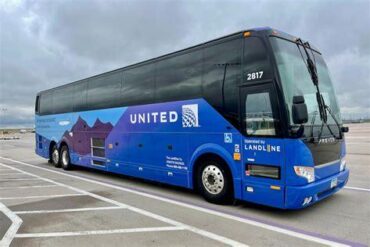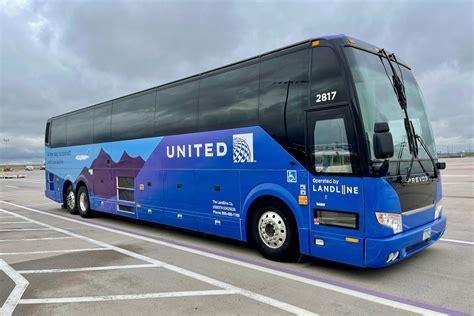
United Airlines has officially terminated its remaining Landline bus connections, marking a quiet but significant shift in how the carrier approaches regional connectivity. Once seen as a cost-effective and environmentally friendly alternative to short-haul flights, these ground-based services were marketed as part of United’s scheduled flight network, complete with assigned seating, TSA security checks, and online check-in capabilities. But come September 1, 2025, the last route—Newark (EWR) to Allentown (ABE)—will come to an end, following the earlier cessation of the Denver (DEN) to Fort Collins (FNL) connection on July 31.
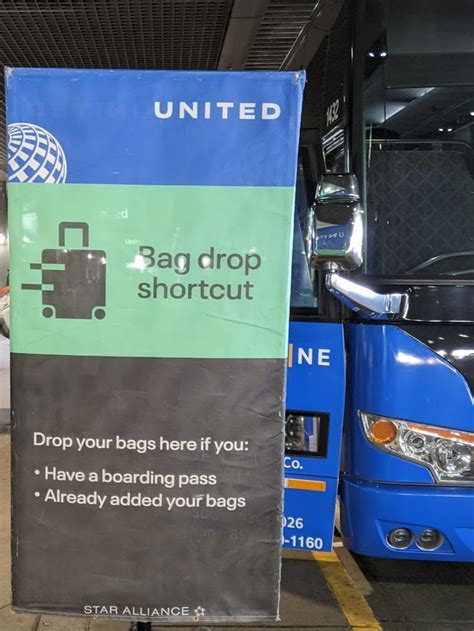
Strategic Exit from Landline Partnerships
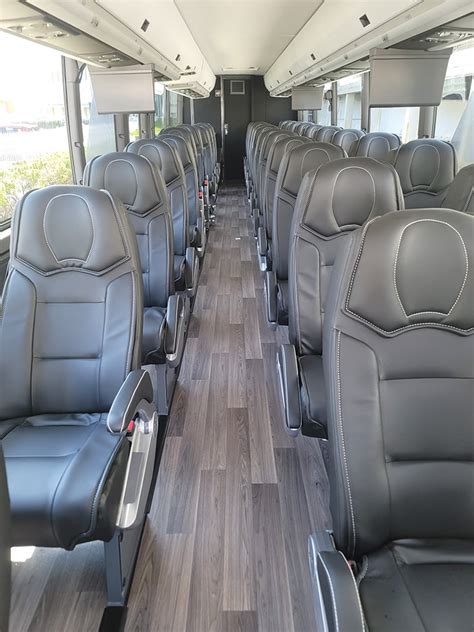
United’s decision reflects more than just logistical adjustments; it represents a calculated departure from a partnership model that had once promised to bridge the gap between secondary cities and United’s sprawling hub network. Initially launched to reduce costs, lower emissions, and sidestep the inefficiencies of ultra-short domestic flights, the Landline bus service was introduced to much fanfare. Buses offered leather seating, Wi-Fi, onboard entertainment, and plug-in outlets, delivering a premium experience that often rivaled or exceeded the comfort of regional jets.
Despite this, United has opted to phase out its use of Landline buses, a move confirmed by a spokesperson:
“Our bus service from Newark to Allentown and from Denver to Fort Collins, Colorado will end as Landline focuses on other opportunities. We are reaching out to customers to offer refunds or rebooking options.”
Passengers affected by these cancellations will have the option of rebooking to alternative airports within a 300-mile radius or receiving full refunds. Travelers booked on the Newark–Allentown route may also opt for a new direct flight to Chicago O’Hare, scheduled to begin operations in August.
A Closer Look at United’s Last Bus Routes
United’s last remaining Landline connections served:
- Denver International Airport (DEN) ↔ Northern Colorado Regional Airport (FNL): Final service on July 31, 2025.
- Newark Liberty International Airport (EWR) ↔ Lehigh Valley International Airport (ABE): Final connection on September 1, 2025.
While these routes may seem minor in scope, they held strategic value, helping United maintain a footprint in underserved markets without the overhead of traditional air service. The Fort Collins-Denver service, for example, offered an alternative to regional aviation, especially given the limited commercial viability of flights from smaller regional airfields like FNL.
The Experience Onboard: Bus Travel That Felt Like Flying
United’s collaboration with Landline was unique in that bus travel mimicked the airline experience. Passengers received assigned seats, checked baggage, and online boarding passes. Though no food or beverages were provided, customers were encouraged to bring their own. The buses featured leather seats with more legroom than economy cabins, making the journey more comfortable than many short-haul aircraft options.
Security checks were handled prior to boarding, meaning that upon arrival at a hub airport, passengers could directly proceed to their connecting flights without additional screening. The service essentially blurred the lines between air and ground transport.
However, despite its practicality, the bus segments could not be booked independently; they were only offered as part of connecting United itineraries. This limitation, combined with logistical complexity and modest passenger volumes, may have played a role in United’s withdrawal.
The Industry Context: American Airlines Moves In
United’s retreat contrasts sharply with American Airlines’ continued investment in Landline services. American recently announced the addition of a new route from Philadelphia (PHL) to Trenton–Mercer Airport (TTN), beginning September 22, which will operate three times daily. This adds to its existing Landline network, which includes connections to:
- Lehigh Valley International Airport (ABE)
- Atlantic City International Airport (ACY)
- Wilkes-Barre/Scranton International Airport (AVP)
- Wilmington Airport (ILG)
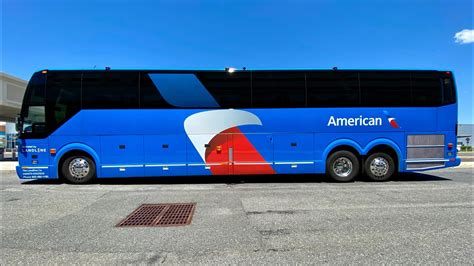
By expanding its network, American seems to be doubling down on a multi-modal transportation strategy that uses buses to feed traffic into major hub airports. These services, like United’s, are TSA-integrated and marketed as flights, allowing seamless transfer between air and ground segments.
What This Means for Landline, the Company
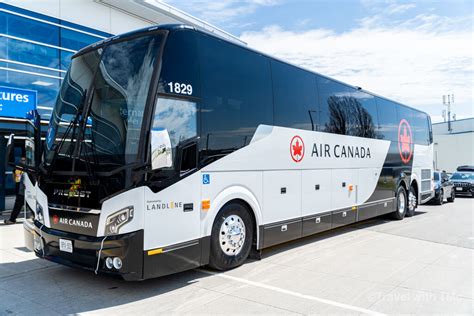
While United has ended its direct relationship, Landline continues to operate through other airline partnerships, including with Air Canada and Sun Country Airlines. The company, branding itself as a “premium last-mile transportation solution,” began its first airline partnership with Sun Country in 2019.
- Air Canada now offers up to 12 daily Landline bus frequencies from Toronto Pearson to Hamilton and Kitchener.
- Sun Country continues to use Landline to supplement regional demand at hubs where smaller aircraft or low-demand routes make traditional air service uneconomical.
Though the end of its relationship with United marks a significant development, Landline remains an active player in a growing niche of integrated ground-air travel models.
Why United May Be Shifting Focus
There are several plausible reasons why United is retreating from Landline bus operations:
- Operational Streamlining: Managing integrated bus services adds a layer of complexity, particularly when coordinating ground logistics with flight schedules and customer service systems.
- Passenger Demand: The routes in question may not have generated sufficient volume to justify continued operations, particularly post-pandemic when travel habits and preferences have evolved.
- Strategic Reallocation: United may be reallocating resources toward higher-yield markets or emerging international destinations, aligning with CEO Scott Kirby’s vision of transforming United into a more globally competitive full-service carrier.
- Fleet Optimization: With the return to more stable air travel patterns, the airline may be favoring actual aircraft over surrogate land-based transport to maintain brand consistency and streamline network planning.
The End of a Quiet Experiment
United’s move signals the closure of an experimental chapter in U.S. airline logistics, where buses were temporarily elevated to the status of aircraft, at least from a booking and security perspective. What began as a clever workaround to air service limitations during the pandemic-era resource crunch now seems to be falling out of favor with the major players.
Still, the concept remains compelling. By blending ground mobility with airline infrastructure, companies like Landline have proven that there’s an audience—albeit a niche one—for seamless, multimodal travel. Whether this model will find its renaissance in other partnerships or morph into new service formats remains to be seen.
Looking Ahead: What Passengers Can Expect
Travelers who once depended on United’s Landline buses will now need to adapt. For residents of Fort Collins, the closure of the DEN–FNL route eliminates the last direct United connection, pushing them toward Denver proper for air travel. In Allentown, the cancellation of the EWR bus may be offset by American’s continued presence and the new Chicago O’Hare flight, but some travelers may lose the flexibility that ground-air combinations once offered.
United, for its part, appears committed to expanding its core flight network rather than maintaining auxiliary surface connections. While this may enhance aircraft utilization and simplify operations, it leaves open questions about how airlines can best serve secondary markets without returning to uneconomical short-haul flights.
Ultimately, United’s decision is both an end and a beginning: the end of one model for regional connectivity, and potentially the beginning of a broader shift in how the industry defines short-haul service in a post-pandemic world. The termination of these bus routes may not dominate headlines, but for the communities they served—and the industry they symbolized—their absence will be felt.