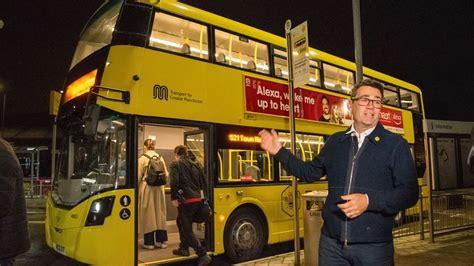
In a significant move aimed at bolstering tourism and enhancing the mobility of visitors, the Greater Manchester Mayoral Combined Authority (SYMCA) has unveiled plans to introduce new night bus routes alongside increased daytime services. These enhancements are designed to facilitate better access to the city’s vibrant landmarks, cultural events, and attractions, all while promoting sustainable travel. This initiative reflects Greater Manchester’s commitment to creating a more accessible public transport system for both residents and tourists alike, contributing to the region’s growing visitor economy.
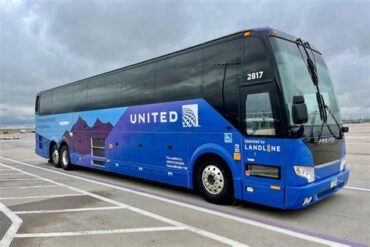
The introduction of night bus services is particularly noteworthy, as it caters to those who wish to experience Manchester’s renowned nightlife without the hassle of navigating back to their accommodations. With a plethora of late-night venues, from bustling restaurants and lively pubs to theaters hosting evening performances, these new routes will provide a safe and cost-effective means of transportation for revelers. For instance, Service number 135 will connect Manchester City Centre with Prestwich and Bury, allowing tourists to explore these areas and attend late-night events at popular venues like the Manchester Arena and Northern Quarter. Similarly, the Route 17/17a will link Manchester with Middleton and Rochdale, providing easy access to cultural and entertainment hotspots in the vicinity.
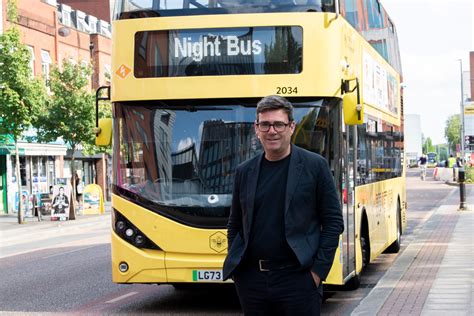
The expansion of the Bee Network, which encompasses over 1,800 miles of routes, will not only benefit nighttime travelers but also improve daytime services significantly. Tourists will find it easier than ever to access key attractions throughout the city. For instance, the newly enhanced Route 631 will connect Wigan Bus Station to Standish Leisure Centre, passing through various local visitor attractions and leisure facilities. Meanwhile, Route 76 will see an increase in frequency, linking Oldham Mumps with Piccadilly Gardens—one of Manchester’s most popular cultural and shopping locations. This simplification of routes ensures that visitors can navigate the city effortlessly, spending more time enjoying what Manchester has to offer and less time worrying about transportation.
The improved connectivity brings with it the promise of better access to renowned attractions. The Manchester Museum, celebrated for its extensive historical collections, will now be more reachable thanks to the enhanced bus lines. Football enthusiasts eager to delve into Manchester’s rich football heritage will appreciate the easy transit between iconic stadiums such as Old Trafford and the Etihad Stadium. For art lovers, the Manchester Art Gallery’s diverse offerings will be within closer reach, allowing for a more comprehensive exploration of the city’s cultural scene.
Sustainability remains a core focus of this transport initiative. As eco-tourism gains traction among modern travelers, the new bus services align perfectly with the growing demand for green travel options. By encouraging the use of public transportation, Greater Manchester aims to reduce its carbon footprint, lessen traffic congestion, and promote environmentally friendly practices. The Bee Network’s commitment to decreasing carbon emissions while enhancing the efficiency of public transport is a crucial step towards achieving sustainable tourism in the region.
Moreover, the economic implications of these transport upgrades cannot be overstated. Improved public transport accessibility is essential not only for tourists but also for the local economy. A more user-friendly transportation system will inevitably lead to increased foot traffic to local businesses, including restaurants, shops, and entertainment venues. As tourists flock to explore areas that are now more conveniently connected by public transport, local businesses will thrive from the influx of customers. Furthermore, the night bus services are poised to invigorate the local nighttime economy, providing a reliable transportation option for those venturing out after dark.
In addition to boosting economic activity, the new transport initiatives are set to enhance the overall visitor experience. By minimizing waiting times and increasing reliability, tourists can enjoy a seamless journey to and from key attractions. The convenience of frequent bus services means that visitors can maximize their time exploring the rich tapestry of experiences that Manchester has to offer, from its historic sites to its contemporary cultural hubs.
As Greater Manchester moves forward with these transformative changes, the future of tourism in the region looks promising. The expansion of the Bee Network, encompassing both new night bus routes and increased daytime services, signals a commitment to fostering a sustainable, inclusive, and vibrant tourism landscape. By offering tourists predictable and convenient transportation options, the city is not just enhancing their experience but also reinforcing its reputation as a premier destination for travelers worldwide. With these developments, Greater Manchester is poised to welcome even more visitors, stimulate local businesses, and solidify its standing as a must-visit location for people from all walks of life.