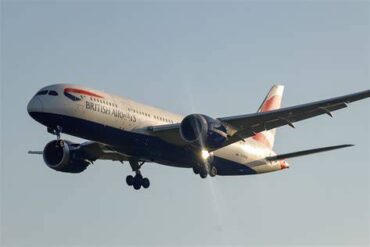
Air Canada is preparing a significant shift in its transatlantic strategy by deploying the long-range Airbus A321XLR on two new routes to London Heathrow Airport. The airline will introduce the narrowbody aircraft on flights from Halifax Stanfield International Airport and Ottawa Macdonald-Cartier International Airport beginning in the winter 2026 schedule, marking one of the most unusual operational changes at Heathrow in recent years.
The move reflects a broader evolution in long-haul airline planning. Instead of relying exclusively on large widebody aircraft, airlines are increasingly turning to fuel-efficient narrowbodies capable of crossing the Atlantic with lower operating costs and more flexible scheduling. For Air Canada, the Airbus A321XLR opens the door to thinner premium markets that may not consistently justify larger Boeing 787 or Airbus A330 aircraft during weaker seasonal demand periods.
The decision is particularly notable because Heathrow remains one of the world’s most difficult and expensive airports for airlines to operate from. The airport’s slot restrictions, congestion, and high operating charges have historically favored larger aircraft with higher passenger volumes. Yet Air Canada is now doubling down on a strategy that places smaller 182-seat aircraft into one of the busiest international hubs on Earth.
The development also introduces something rarely seen in Canadian transatlantic operations: daytime eastbound flights to Europe.
Air Canada Deploys Airbus A321XLR From Halifax To Heathrow
Air Canada’s Halifax-to-Heathrow service will become the carrier’s first Airbus A321XLR operation into London Heathrow. The route covers approximately 2,483 nautical miles and has previously been operated using the Boeing 737 MAX 8. Under the new plan, the XLR will replace the MAX 8 during the winter season between December 1, 2026, and March 27, 2027.
The shift is strategically important for several reasons. First, the Airbus A321XLR offers additional range, improved passenger comfort, and greater operational flexibility compared to the 737 MAX 8 currently serving the route. Second, the aircraft provides Air Canada with a more premium long-haul narrowbody product that better aligns with Heathrow’s business-heavy traffic profile.
The Halifax service will also see a reduction in frequency. Instead of operating daily, the route will drop to four weekly flights during the winter offseason. This reflects weaker seasonal demand across the North Atlantic market while helping Air Canada preserve yields and maintain healthier load factors.
Flights from Halifax will depart in the morning and arrive in London during the evening, creating Air Canada’s first daytime Airbus A321XLR service to Europe.
The planned schedule is as follows:
- Halifax to London Heathrow: Mondays, Tuesdays, Thursdays, and Saturdays from 10:35 AM to 8:35 PM
- London Heathrow to Halifax: Tuesdays, Wednesdays, Fridays, and Sundays from 9:00 AM to 12:00 PM
This schedule stands out because most transatlantic services between North America and Europe operate overnight eastbound. By contrast, passengers on this route will spend the day crossing the Atlantic before arriving in London during the evening hours.
Ottawa Becomes Air Canada’s Second Heathrow XLR Destination
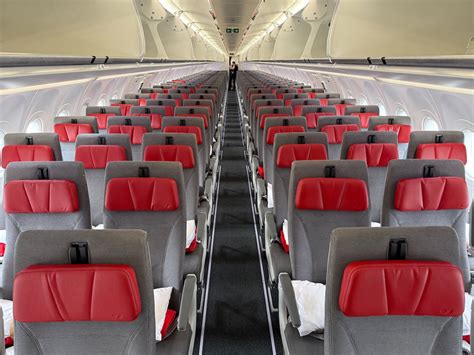
Air Canada’s second newly confirmed Airbus A321XLR Heathrow route will connect Ottawa directly with London Heathrow. The route had already returned in 2025 following its suspension during the COVID-19 pandemic, but the latest announcement confirms that the airline will downgrade the service from a Boeing 787-8 widebody to the smaller Airbus A321XLR.
The switch represents a substantial reduction in capacity. The Boeing 787-8 typically seats around 255 passengers in Air Canada’s configuration, while the A321XLR will carry approximately 182 passengers. However, the smaller aircraft dramatically improves route economics during lower-demand travel periods.
Air Canada can now redeploy its Boeing 787 fleet onto stronger long-haul markets while preserving nonstop connectivity between Canada’s capital and the United Kingdom.
Just like the Halifax service, the Ottawa route will operate as a daytime eastbound transatlantic flight. That alone makes the route highly unusual within the Canadian aviation market.
The planned operating schedule includes:
- Ottawa to London Heathrow: Wednesdays, Fridays, and Sundays from 8:50 AM to 8:35 PM
- London Heathrow to Ottawa: Mondays, Thursdays, and Saturdays from 9:00 AM to 12:05 PM
Historically, Ottawa-Heathrow flights have always operated overnight toward Europe. The transition to daytime flying signals a major operational experiment by Air Canada as it tests new passenger preferences and scheduling opportunities enabled by the Airbus A321XLR.

Why The Airbus A321XLR Changes Air Canada’s Heathrow Strategy
The Airbus A321XLR is rapidly becoming one of the aviation industry’s most influential aircraft. Designed specifically for long, thin routes, the aircraft allows airlines to connect secondary cities directly without requiring the passenger volume needed for traditional widebody operations.
For Air Canada, the aircraft solves several strategic problems simultaneously.
The airline gains the ability to maintain Heathrow connectivity from smaller Canadian markets while reducing operational risk during slower travel seasons. Instead of filling more than 250 seats daily on a Boeing 787, the carrier can operate a smaller aircraft with significantly lower trip costs.
The A321XLR also allows airlines to maximize valuable Heathrow slots. Even though Heathrow’s fee structure generally rewards larger aircraft, maintaining slot ownership remains critically important for international carriers. Operating a smaller aircraft at lower frequency can still preserve market access while freeing widebody aircraft for more profitable routes elsewhere in the network.
At the same time, passengers gain the convenience of nonstop service from regional Canadian cities without needing to connect through Toronto Pearson International Airport or Montreal Trudeau International Airport.
This represents a broader industry trend where long-range narrowbody aircraft are transforming route planning across the Atlantic.
Air Canada’s Heathrow Network Shrinks For Winter 2026
Despite the addition of two Airbus A321XLR services, Air Canada’s overall Heathrow operation is actually becoming smaller for winter 2026.
The airline is currently expected to operate 49 weekly departures from Heathrow during December 2026, down from 52 weekly flights previously planned and significantly below the 56 weekly departures operated during December 2025.
Several factors are driving the reduction. The Halifax frequency cut contributes directly, while the removal of the Heathrow-Mumbai fifth-freedom service also reduces the carrier’s total slot usage at the airport.
Air Canada’s revised Heathrow operation for winter 2026 currently includes:
- Toronto Pearson: Three daily flights using Boeing 777-300ER and Boeing 787-9 aircraft
- Calgary: Daily Airbus A330-300 service
- Montreal: Daily Airbus A330-300 service
- Vancouver: Daily Boeing 777-300ER service
- Halifax: Four weekly Airbus A321XLR flights
- Ottawa: Three weekly Airbus A321XLR flights
A New Era For Long-Haul Narrowbody Flying
Air Canada’s decision to place the Airbus A321XLR on Heathrow routes from Halifax and Ottawa highlights how rapidly transatlantic aviation is evolving. What once required large twin-aisle aircraft can now be accomplished more efficiently with advanced long-range narrowbodies that consume less fuel and offer airlines greater flexibility.
The strategy may also reshape passenger expectations. Daytime eastbound flights remain rare across the North Atlantic, but they provide travelers with an alternative to overnight flying and potentially reduce jet lag upon arrival.
Whether the experiment succeeds commercially remains to be seen. Business travelers traditionally favor overnight flights that maximize working hours and allow sleep during the crossing. However, Air Canada appears confident that the combination of nonstop convenience, lower capacity, and Airbus A321XLR economics can make these routes sustainable.
For Heathrow, the arrival of additional long-haul narrowbody services signals another shift in how airlines are approaching one of the world’s most constrained aviation markets.