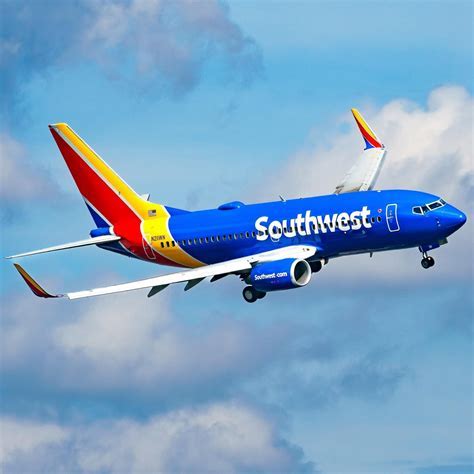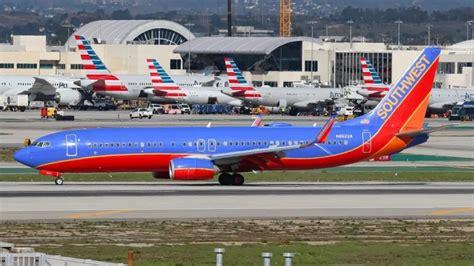
Southwest Airlines has announced a voluntary separation program aimed at rebalancing its operational workforce in response to unforeseen fleet delivery setbacks. The move marks a pivotal point in the airline’s strategic adjustment, as delays from Boeing—due to a prolonged labor strike—threaten the carrier’s flight schedules and operational efficiency. This program underscores the evolving relationship between workforce flexibility and corporate resilience in the U.S. aviation sector.
Background: Boeing Delivery Delays Trigger Organizational Response
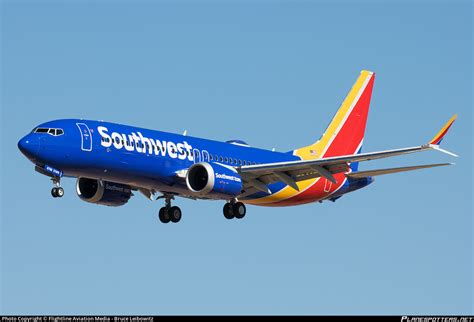
In late 2024, Southwest Airlines faced a significant supply disruption as Boeing’s seven-week labor strike curtailed aircraft deliveries, particularly the anticipated shipment of 20 Boeing 737 MAX 8s. The airline, which operates one of the most homogeneous fleets in the world, found itself with constrained capacity projections heading into 2025. As a direct consequence, Southwest reported a 4% reduction in flight capacity for Q4 2024, with further projected dips of 1–3% for Q1 2025.
This contraction prompted a re-evaluation of staffing needs at multiple airport hubs. Rather than resorting to abrupt layoffs, Southwest has chosen a more measured, voluntary separation and extended leave offering—a move that balances fiscal responsibility with employee consideration.
Program Scope: Who Is Affected?
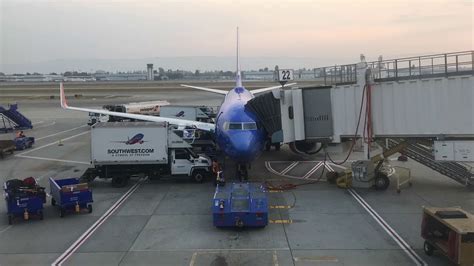
The voluntary separation program extends to airport-based employees in 18 U.S. cities, reflecting a nationwide reshuffle with localized implications. The cities include:
- Major Hubs: Los Angeles, Dallas, Atlanta, Miami, and Baltimore
- Regional Airports: Buffalo (NY), Corpus Christi (TX), Myrtle Beach (SC)
- West Coast Cities: Burbank, Long Beach, San Jose, Santa Ana (all in California)
- Florida Locations: Fort Lauderdale, Fort Myers, Tampa
- Others: Portland (OR), Detroit (MI), Cleveland (OH)
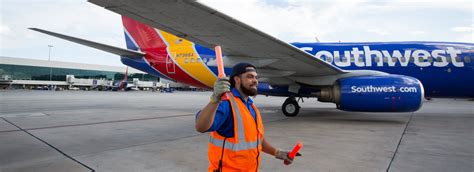
This initiative primarily targets customer service agents, ramp agents, operations agents, cargo handlers, and select supervisory staff. In addition, some headquarters-based employees supporting airport operations will be eligible, highlighting the integrated structure of ground operations within the airline.
Southwest’s Strategic Framing of the Offer
The company has carefully positioned this program as a proactive workforce alignment rather than a cost-cutting exercise. In internal communications, Southwest emphasized that the offer is intended to “avert overstaffing” at specific locations, particularly in light of slowed hiring trends and adjusted schedules.
The program includes two primary options:
- Voluntary Separation: Eligible staff can opt to leave the company permanently by the end of 2024.
- Extended Leave of Absence: For those not ready to resign permanently, Southwest is offering extended, unpaid leaves while preserving a pathway for future reintegration.
Contextualizing the Move in Broader Industry Trends
This isn’t the first time a major U.S. airline has employed voluntary separation as a workforce management tool. However, in Southwest’s case, the timing and scope are notable. The airline has long been lauded for its employee-first culture, and this initiative appears aligned with that ethos.
Other airlines have relied on similar programs during periods of fleet grounding, demand volatility, or post-merger integrations. What sets this instance apart is that it stems from external manufacturing delays, rather than organic demand loss or internal financial mismanagement.
Financial Implications and Capital Strategy
Southwest’s Q3 2024 report detailed that its capital expenditures for the year are forecast at $2.1 billion, including $825 million earmarked for aircraft purchases. The gap left by delayed deliveries creates immediate fleet limitations. The airline cannot sustain pre-strike staffing levels without risking overcapacity in non-airborne assets—an untenable economic posture.
The voluntary separation offer represents a cost mitigation measure. Severance payouts or temporary leave stipends are likely to be lower than the cost of retaining a surplus labor force amid reduced revenue-generating activity. Moreover, the offer creates room to recalibrate its hiring pipeline once deliveries stabilize and routes expand in late 2025.
Local Market Impacts: Operational and Community Ramifications
Some of the 18 affected locations, such as Dallas Love Field and Los Angeles International Airport, are cornerstone hubs for the airline. Staff reductions in these airports could result in lower service throughput, longer passenger wait times, and fewer direct flight options.
Secondary and tertiary markets—such as Corpus Christi or Myrtle Beach—face different risks. Here, even small staff reductions may carry outsized operational consequences, potentially leading to reduced cargo handling capabilities or the consolidation of ground services, affecting both employee livelihood and local airport ecosystems.
Employee Considerations: Risk, Reward, and Sentiment
While Southwest has not revealed how many workers will receive or accept the offers, employees are now faced with significant decisions. For those nearing retirement or seeking a career pivot, the voluntary separation could be a welcome opportunity. However, others may experience anxiety over long-term job security, especially with no guarantee of future reinstatement after extended leaves.
The offer’s attractiveness will likely depend on:
- The financial package offered for separation
- Duration and terms of the extended leave option
- Availability of alternative employment within their local market
- Confidence in Southwest’s future trajectory and aircraft delivery timelines
Looking Forward: What Comes After the Separation?
With reduced staff, Southwest will need to adopt operational efficiencies to maintain service levels. This may include technological upgrades, such as enhanced baggage automation, improved customer self-service kiosks, or restructured shift rotations to optimize manpower.
As Boeing ramps up post-strike production, deliveries of the 737 MAX 8 are expected to resume in earnest by mid-2025. Once new aircraft join the fleet, the airline will likely initiate targeted hiring campaigns, potentially even inviting back employees who accepted extended leave but remained within the permissible return window.
Yet, the landscape will not be the same. Airline staffing post-COVID and post-industrial disruptions is marked by greater fluidity and decentralized control, making it critical for Southwest to maintain flexibility in both scheduling and workforce composition.
Conclusion: A Delicate Balancing Act Between Strategy and Sensitivity
Southwest Airlines’ voluntary separation program reflects a measured response to uncontrollable external pressures. While the aircraft delays are outside its control, the airline’s handling of the subsequent human resource implications will be closely watched. How it treats its employees today will shape its reputation and readiness in the years to come.
As the aviation sector grapples with supply chain fragility, shifting travel demand, and labor recalibrations, the choices made during these pivotal moments will define not only individual companies but the contours of the post-pandemic airline industry model.