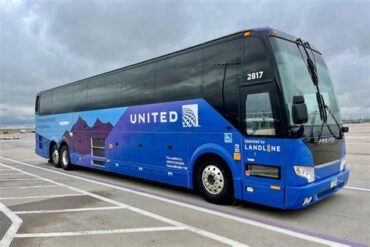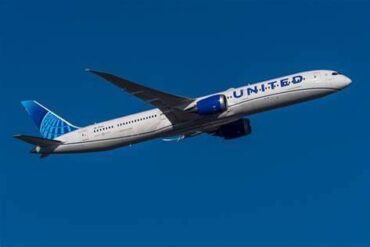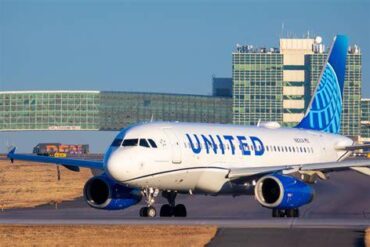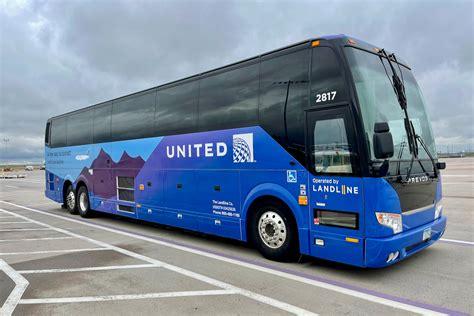
United Airlines has confirmed it will permanently terminate its final Landline bus routes—connecting Denver to Fort Collins and Newark to Allentown—by September 2025, signaling the official end of its multimodal transportation experiment. The move marks a pivotal shift in United’s connectivity strategy, pivoting away from ground-air travel integrations toward a renewed focus on traditional flight-only operations.
The decision will affect two key regional routes that once promised lower emissions, reduced operational costs, and a seamless airport-style travel experience by road. The Denver–Fort Collins service will cease on July 31, 2025, while the Newark–Allentown route ends on September 1, 2025. These services represented United’s last remaining ventures under its partnership with Landline, a tech-forward bus operator aiming to bridge underserved regional markets with airport hubs.
United’s Landline Shutdown: A Strategic Pivot in Air Travel Logistics
United’s initial embrace of the Landline model reflected an innovative approach to airport connectivity. By offering TSA-screened, checked-luggage-enabled bus travel as part of a single booking itinerary, United intended to fill the gap between underserved cities and its major airport hubs, while avoiding the environmental and financial costs of short-haul flights.
The now-defunct routes had been designed to mirror the airline passenger experience in nearly every way. Buses featured leather seats, complimentary Wi-Fi, power outlets, and pre-assigned seating. Bags were processed as if for a flight, and passengers cleared TSA security prior to boarding their initial flight segment—even if the first leg was on a bus. This innovative setup allowed travelers to experience airport-style travel convenience while utilizing ground transportation.
However, after years of testing, United is phasing out the model.
According to airline officials, customers booked beyond the shutdown dates will be eligible for rebookings or full refunds. Newark–Allentown travelers may also be rebooked on a new connecting route through Chicago, which is set to launch in August 2025, thereby offering continued access to United’s national network, albeit without the Landline component.
What Made United’s Bus Routes Different
The concept behind United’s Landline services was rooted in reducing reliance on inefficient short-haul flights. These short legs—frequently flown on regional jets—have long been cost-prohibitive and environmentally taxing. Landline’s motorcoach network introduced a lower-carbon alternative while maintaining the integrated booking, luggage handling, and security features expected from air travel.
- Buses were TSA-screened, allowing passengers to check luggage and avoid additional security screenings at major airports.
- Online check-in, assigned seating, and a flight-like boarding process ensured consistency with air travel standards.
- The entire journey, including bus segments, appeared on a single booking reference, enabling seamless itinerary management for passengers.
Despite these innovations, United concluded that the benefits no longer aligned with its evolving operational priorities. A spokesperson confirmed the change is part of a broader focus on “streamlining operations and prioritizing core air routes.”
Alternative Options for Allentown and Fort Collins Travelers
The shutdown affects two significant regions:
- Denver (DEN) to Fort Collins (FNL): Final service on July 31, 2025
- Newark (EWR) to Allentown (ABE): Final service on September 1, 2025
For those with reservations beyond these dates, United will offer alternative solutions, including:
- Refunds for canceled segments
- Rebookings to other regional airports within a 300-mile radius
- For Newark-Allentown passengers, connecting flights through Chicago (ORD) starting August 2025
Moreover, independent of United, a private transportation company will continue direct bus service between Newark and Allentown. This option, however, will no longer offer airline-style features like integrated check-in or TSA screening.
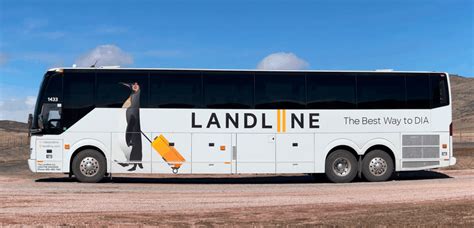
American Airlines Takes the Opposite Route: Landline Expansion
While United phases out its Landline experiment, American Airlines is expanding its ground-air network. In a strategic move, American will launch a new route from Philadelphia (PHL) to Trenton–Mercer Airport (TTN) starting September 22, 2025. The route will offer three daily roundtrips, each taking roughly 50 minutes.
This new addition grows American’s Philadelphia-based Landline network to five regional destinations:
- Lehigh Valley International Airport (ABE)
- Atlantic City International Airport (ACY)
- Wilkes-Barre/Scranton International (AVP)
- Wilmington Airport (ILG)
- Trenton–Mercer Airport (TTN)
Unlike United, American continues to view ground-air integration as a key strategy for serving secondary markets. By keeping TSA screening, luggage handling, and check-in protocols consistent across both air and ground segments, American aims to build passenger loyalty while maximizing operational efficiency.
Landline’s Continuing Influence in North American Travel
Although United is exiting the partnership, Landline as a company remains an active player in reshaping regional transportation logistics. Its services continue to support:
- Multiple U.S. carriers, including the ongoing expansion with American Airlines
- Canadian routes connecting Toronto Pearson International Airport (YYZ) to Hamilton and Kitchener, with up to 12 daily runs
Landline brands itself as a “premium last-mile solution”, offering an alternative to high-emission regional flights. Its focus on integrated systems, comfort, and time-saving solutions suggests the model retains viability—just not under United’s current operational vision.
The Bigger Picture: Why United is Moving On
United’s withdrawal from the Landline model comes amid broader industry conversations about cost efficiency, climate commitments, and post-pandemic network reconfigurations. While the bus program succeeded in some operational benchmarks, it lacked the scale needed to justify continued investment, especially as air traffic rebounds and fuel efficiency on newer aircraft improves.
It’s likely that customer adoption rates, logistical hurdles, and the overhead of managing a bus program under the airline’s regulatory umbrella contributed to the decision. By removing this layer of complexity, United can redirect resources toward optimizing its hub-and-spoke system and investing in new air routes, lounges, fleet upgrades, and digital infrastructure.
Looking Ahead: Could Ground-Air Models Still Thrive?
The end of United’s Landline service does not spell doom for ground-air connectivity. In fact, the concept remains highly relevant in an era when carbon reduction, decentralized air service, and regional mobility are paramount to airlines’ long-term survival.
As smaller airports continue to lose commercial service due to pilot shortages and economic inefficiencies, the model of road-connecting passengers to major hubs with full airline benefits still makes sense—provided the right partnerships and market conditions exist.
United’s exit is not a condemnation of the Landline model, but rather a realignment of strategic goals. Other carriers appear more willing to carry the torch, with American, and to a lesser extent regional Canadian operators, pushing the concept forward.
Final Thoughts: The End of a Quiet Innovation
The discontinuation of United’s Landline routes may appear minor in the broader airline landscape, but it reflects the complexity of modern travel logistics. Ground-air integrations require more than buses and software—they demand customer buy-in, route density, and operational resilience.
For now, United Airlines is turning the page on this experiment. But as American’s expansion shows, the idea is far from extinct. The evolving landscape of air travel may once again favor multimodal innovation, especially as technology, infrastructure, and customer expectations shift.
In the meantime, travelers in Fort Collins and Allentown will need to adjust their plans, as one chapter in hybrid travel logistics comes to a close—and a new one quietly begins elsewhere.