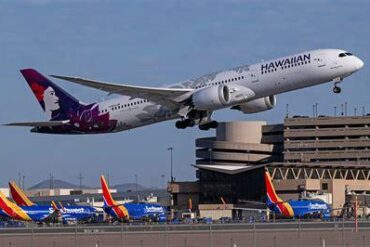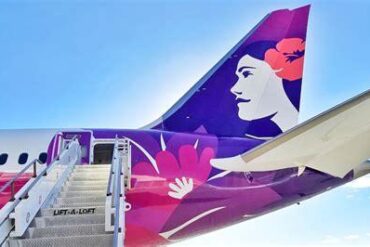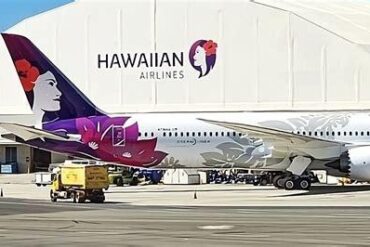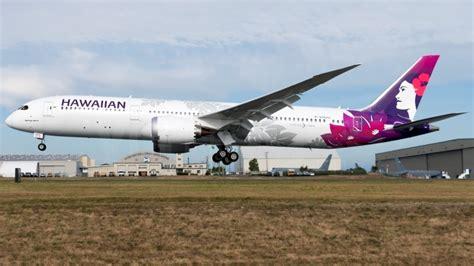
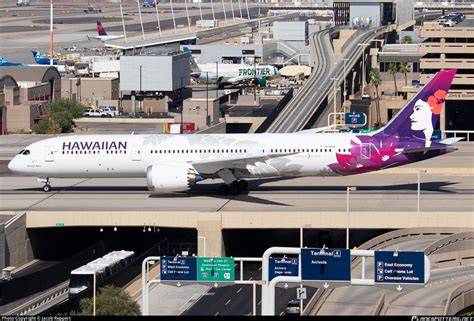
Hawaiian Airlines is preparing to elevate its transpacific service between Seattle and Seoul by introducing the Boeing 787-9 Dreamliner on the route beginning September 12, 2025. This significant aircraft upgrade marks a strategic shift in the Alaska Air Group’s approach to long-haul flying, particularly in the highly competitive Pacific Rim market.
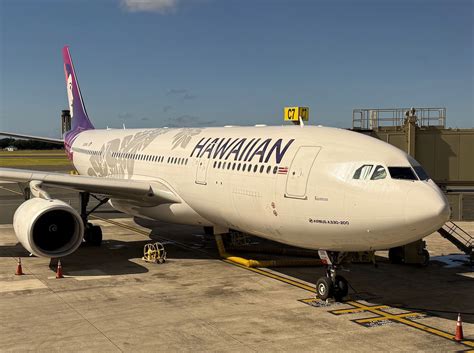
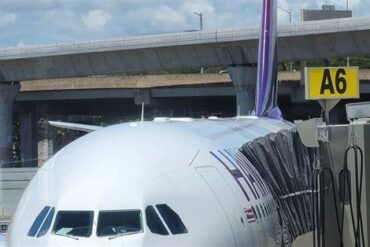
The decision replaces the previously announced Airbus A330-200, initially assigned to operate the flight under Hawaiian’s livery on behalf of Alaska Airlines. Although the Hawaiian brand will remain on this route, the introduction of the Dreamliner brings a radically improved onboard experience, a more business-focused cabin, and greater competitiveness against regional rivals such as Delta Air Lines, Korean Air, and Asiana.
A Premium Leap: From A330 to Dreamliner
While the A330-200 is a workhorse of Hawaiian’s long-haul operations and well-suited for leisure-heavy destinations, it lacks the refinement demanded by the corporate-heavy Seattle–Seoul corridor. The aircraft is currently configured with 278 seats, including just 18 business class seats in a 2-2-2 layout using the Optimares Maxima Plus seat. While lie-flat, the layout limits direct aisle access and privacy—features increasingly expected by high-yield travelers.
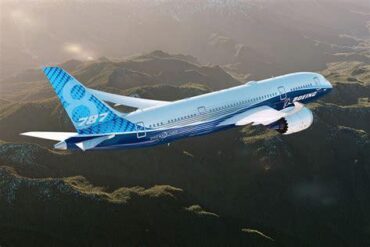
In contrast, the Boeing 787-9 Dreamliner represents a complete step forward. Featuring 300 total seats, it includes 34 business class suites outfitted with Adient Ascent seating. These state-of-the-art lie-flat seats offer direct aisle access, high walls, and privacy doors, dramatically improving the premium travel experience. The layout includes reverse herringbone seats along the windows for solo travelers and center herringbone pairs for companions.
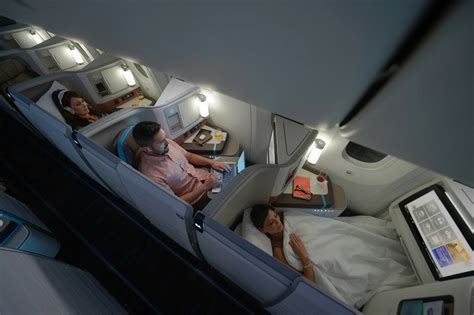
The rest of the aircraft is similarly advanced, offering mood lighting, improved cabin pressurization, and larger windows that enhance passenger comfort. The total capacity increases marginally, but the real upgrade lies in the qualitative leap for premium travelers, positioning Hawaiian Airlines as a serious player in the transpacific business market.
Aircraft Reallocation Reflects Market Prioritization
This strategic redeployment sees Hawaiian’s Dreamliner pulled from its Honolulu–New York JFK route, which will revert to the A330-200. That switch takes effect September 11, 2025, just one day before the 787-9 takes flight to Seoul. This demonstrates Alaska Air Group’s focus on allocating high-value assets to competitive routes where passenger expectations and yield potential justify premium offerings.
The Honolulu–JFK route primarily serves leisure and VFR (Visiting Friends and Relatives) traffic, making the A330’s denser configuration more appropriate. Seattle–Seoul, by contrast, is a crucial transpacific business route, with demand from tech, biotech, and academic sectors. The swap illustrates how Alaska and Hawaiian are now thinking as a unified entity, even if operating under distinct brands for now.
Alaska Air Group’s Long-Haul Ambitions Take Shape
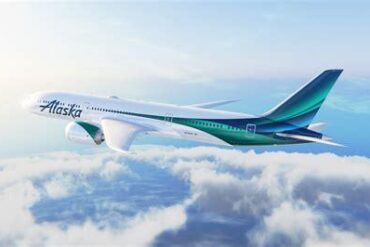
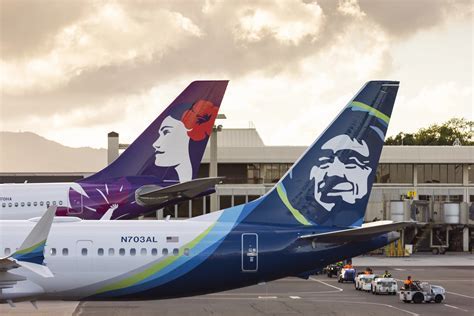
The announcement is part of a broader, carefully calculated move by Alaska Air Group (AAG) to enter the long-haul international market by leveraging Hawaiian’s existing assets and experience. With the two airlines pursuing a single Air Operating Certificate (AOC) but maintaining distinct branding, the company is positioning itself to operate a dual-brand long-haul strategy.
Flights to and from Hawaii will continue to operate as Hawaiian Airlines, while new long-haul flights directly tied to Alaska’s mainland hubs (like Seattle to Rome, launching May 2026) will eventually carry the Alaska Airlines brand. This European-style model, common among conglomerates like IAG or Lufthansa Group, is relatively novel in the US but could give AAG a competitive edge.
The 787 Fleet: A Bridge to Alaska’s Widebody Future
Currently, Hawaiian Airlines has three Boeing 787-9s in service, with nine more on order. Alaska Airlines itself has no widebody aircraft in its fleet but stands to benefit immensely from this order pipeline. Until those aircraft are delivered, Hawaiian jets will serve as a bridge, allowing Alaska to build international presence without delay.
The use of Hawaiian’s 787s on Seattle–Tokyo and now Seattle–Seoul allows Alaska to test demand, refine operations, and assess branding impact before fully integrating long-haul service under its own name. Once Alaska begins operating its own Dreamliners, routes like Seattle to Rome will likely become flagship services.
Competition Heats Up on the Seattle–Seoul Corridor
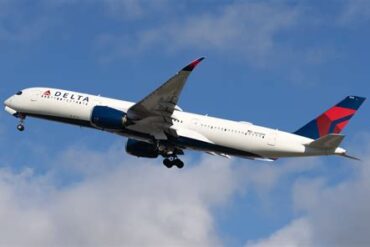
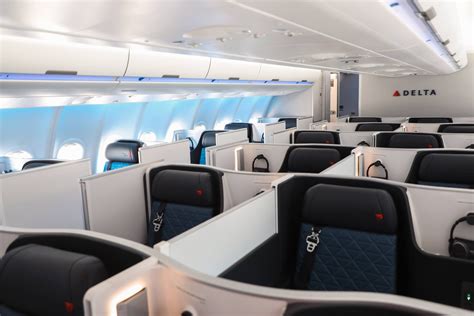
Seattle is Alaska Airlines’ home turf, but the Seoul route is a fierce battleground. Delta Air Lines has long served Incheon with its Airbus A350-900 in the “359” configuration. This aircraft includes 306 total seats, with 32 Delta One Suites offering privacy doors and direct aisle access. However, these seats are based on the Thompson Vantage XL, a design that, while solid, is showing its age compared to the Adient Ascent suite.
Meanwhile, Korean Air operates a Boeing 787-10 on the same route, offering 36 Collins Horizon suites in business class—each with a privacy door—and 289 economy seats. Asiana Airlines still flies the route with a Boeing 777-200ER, though its business class product—Stelia Solstys—lacks privacy doors and is arranged in a staggered 1-2-1 configuration.
With the pending Korean–Asiana merger, the competitive landscape may soon consolidate. Korean Air will absorb Asiana’s brand and operations by next year, creating an even stronger competitor on the route.
Raising the Bar for North Pacific Premium Travel
In this environment, Hawaiian’s 787-9 offers one of the most modern and competitive business class offerings across the Pacific. The Adient Ascent suite stands out with high privacy, direct aisle access, and new finishes, aligning perfectly with the expectations of tech-savvy and comfort-demanding travelers from Seattle and Seoul alike.
Alaska Air Group is not just entering a saturated market—it’s entering strong. With Alaska’s local dominance in Seattle and Hawaiian’s long-haul know-how, the Dreamliner deployment represents a fusion of strengths.
By entering with a product that meets or exceeds what Korean Air, Delta, or Asiana currently offer, Alaska and Hawaiian together signal to travelers that this is more than a codeshare. It’s a fully backed, high-investment move into the premium transpacific market.
What Travelers Can Expect
Starting in September 2025, passengers on the Seattle–Seoul route will enjoy:
- Adient Ascent business class suites with privacy doors
- Direct aisle access for every business class seat
- Hawaiian’s authentic Polynesian-inspired service ethos
- An upgraded entertainment system, ambient lighting, and quieter cabin
- Larger windows and better humidity control onboard the Dreamliner
The shift is also expected to influence fare dynamics, loyalty choices, and future route announcements. Frequent flyers with Alaska Mileage Plan will benefit from increased options for earning and redeeming miles on high-end long-haul flights.
Looking Ahead: A Transpacific Powerhouse in the Making
This is more than an aircraft swap. It’s a pivotal move in a carefully plotted expansion by Alaska Air Group. By taking one of the most advanced aircraft in the sky and placing it on a critical international route, AAG is signaling its intention to compete at the highest level—not just with lower prices, but with superior service, product, and reliability.
The next step will be the delivery of Alaska’s own Dreamliners, the maturation of its long-haul identity, and perhaps even the full integration of Hawaiian’s international footprint. For now, though, the Seattle–Seoul route offers an exciting glimpse into what’s coming: a reimagined American carrier with Pacific roots and global ambitions.