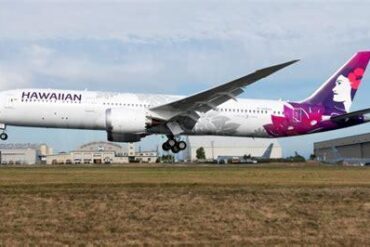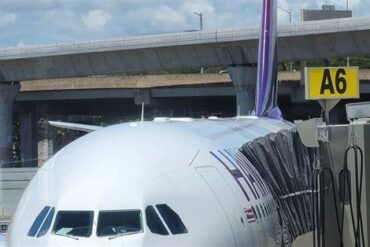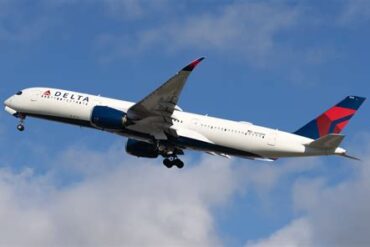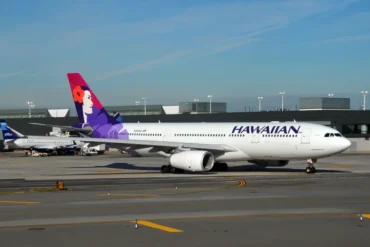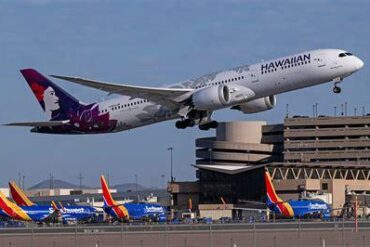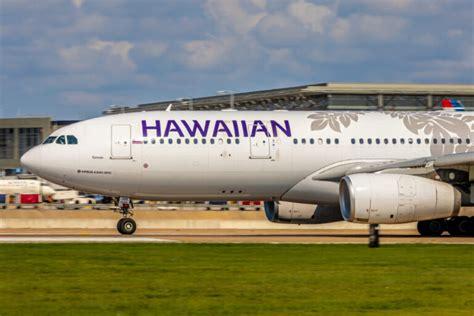
Hawaiian Airlines’ decision to revert to the Airbus A330-200 on its Seattle–Seoul Incheon route from October 4 to October 25, 2025, instead of the previously announced Boeing 787-9 Dreamliner, marks a notable shift in the transpacific travel landscape. This aircraft substitution—although not uncommon in airline operations—carries significant implications for passenger experience, industry competitiveness, and premium market strategy, particularly within the critical North America–Asia corridor.
Strategic Implications of Aircraft Downgrade on Passenger Experience
For many passengers, especially business and premium travelers, aircraft type plays a decisive role in flight selection. The Boeing 787-9 Dreamliner is globally recognized for its cutting-edge technology and comfort-forward design. With features like larger dimmable windows, quieter cabins, improved air pressure, and higher humidity, the Dreamliner minimizes long-haul travel fatigue. These enhancements can significantly elevate passenger satisfaction, particularly on extended transpacific flights.
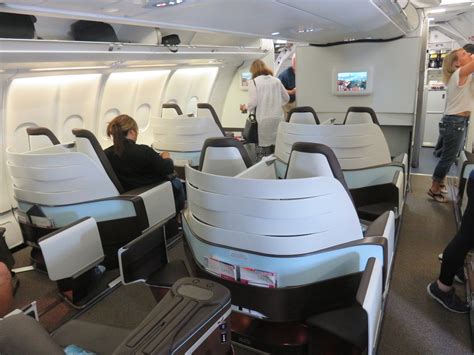
In contrast, the Airbus A330-200, though a proven and reliable widebody aircraft, represents an older generation of cabin design. Hawaiian Airlines has configured its A330s for reasonable comfort, but the absence of the Dreamliner’s hallmark features might result in what many travelers perceive as a less premium experience. In an industry where expectations are increasingly shaped by cabin innovation, this switch could prompt some flyers to re-evaluate their choice of carrier.
For example, frequent international flyers who booked their travel in anticipation of flying on the 787-9 may now seek alternate routes or carriers that continue to offer next-generation aircraft, such as the Airbus A350 or competing Boeing 787 services provided by rivals across the Pacific.
Impact on Market Position and Airline Brand Perception
Aircraft configuration is more than a technical detail—it’s a critical marketing differentiator. Airlines increasingly promote aircraft type to attract premium travelers who prioritize onboard experience. Hawaiian Airlines’ retraction of the Dreamliner from this high-demand route could hinder its appeal in a competitive transpacific market already dominated by major carriers such as Korean Air, Asiana, Delta, and ANA.
The Boeing 787-9 was set to be a flagship product for Hawaiian Airlines on this route, signaling its ambition to upscale service quality and directly challenge full-service rivals with more modern fleets. This reversion to the A330-200 may lead to a temporary erosion of competitive edge, particularly if rival airlines continue to deploy newer aircraft on similar routes.
Moreover, travel agencies and booking platforms often highlight aircraft type in their promotional efforts. Hawaiian’s shift could disrupt planned marketing initiatives, forcing a recalibration in how the route is positioned—especially toward high-revenue, comfort-conscious customers.
Operational Realignment and Industry Reaction
On May 11, 2025, Hawaiian Airlines formally announced the reversion during a published schedule update, clarifying that the Boeing 787-9 would no longer serve the Seattle–Seoul route between October 4 and October 25. This route will now operate exclusively with the Airbus A330-200 during this timeframe, maintaining its existing flight frequencies and departure schedules:
- Flight HA871: Departs Seattle (SEA) at 14:55, arrives Seoul Incheon (ICN) at 18:35 the next day. Operates five times weekly (excluding Mondays and Tuesdays).
- Flight HA872: Departs Seoul Incheon at 20:35, arrives Seattle at 14:35 the same day. Operates five times weekly (excluding Tuesdays and Wednesdays).
These times remain unchanged from prior schedules, with the only material difference being the aircraft model. Hawaiian Airlines did not specify the exact rationale behind the swap, though such operational decisions are often influenced by maintenance rotations, crew scheduling, aircraft availability, or broader fleet optimization strategies.
Within the aviation industry, such a late-stage equipment switch—especially from a newer to an older aircraft—is often met with scrutiny. Analysts and aviation enthusiasts alike have raised questions about whether the move reflects broader fleet delivery delays, maintenance needs, or shifting strategic priorities within Hawaiian Airlines’ long-haul planning.
Broader Transpacific Network Consequences
The Seattle–Seoul Incheon route occupies a pivotal position in Hawaiian Airlines’ Asia-Pacific network. Connecting the Pacific Northwest to South Korea’s major global hub, the route supports a mix of leisure tourism, corporate travel, and interline connections into Asia. With increasing competition on transpacific routes, every element of service—timing, pricing, alliance partnerships, and aircraft type—carries weight in swaying passenger preference.
The absence of the 787-9, especially after public announcements promoting its launch, may cause brand credibility issues, particularly among loyal flyers and frequent business travelers who align their expectations with such enhancements. For a carrier aiming to evolve its image beyond Hawaii-focused leisure travel into a more formidable transpacific player, this move may be seen as a regression in ambition.
Furthermore, competitors operating out of Seattle—such as Delta Air Lines or Korean Air—are now in a position to capitalize on the gap, emphasizing their continued use of more advanced aircraft on similar routes. This could result in market share loss, especially if customers begin perceiving Hawaiian’s service as lagging behind on key experience metrics.
Passenger Expectations and Booking Behavior
Modern travelers—especially those accustomed to international routes—are increasingly discerning. Tools like SeatGuru, airline review platforms, and OTAs prominently display aircraft models and cabin layouts. For passengers who track these variables, the change from a next-gen aircraft to a legacy model may appear as a broken promise or downgrade.
The Dreamliner’s allure goes beyond its tech specs; it symbolizes next-level comfort, modern branding, and an elevated travel narrative. In contrast, the A330-200, while serviceable, lacks the emotive pull that many premium travelers associate with newer aircraft. This is particularly significant in markets like Seattle–Seoul, where tech-savvy, globally mobile customers dominate booking patterns.
Consequently, travel advisors and customer service agents will need to navigate increased inquiries, possible rebookings, and customer dissatisfaction over aircraft changes. Hawaiian Airlines may also face pressure to offer incentives or enhanced loyalty program benefits to mitigate backlash and retain high-value customers.
Long-Term Brand Implications and Strategic Outlook
Hawaiian Airlines had strategically positioned the Boeing 787-9 as part of its long-term fleet modernization and Asia expansion plan. The Dreamliner was to symbolize a turning point in Hawaiian’s transformation from a regionally focused carrier to a global contender. This temporary regression raises questions about the consistency and execution of that vision.
While the October 2025 period only spans three weeks, the optics of reversing a flagship decision could linger. In a competitive landscape where brand equity is increasingly tied to tech adoption and product reliability, Hawaiian Airlines must now carefully recalibrate its communications strategy, emphasizing service consistency, operational reliability, and future readiness.
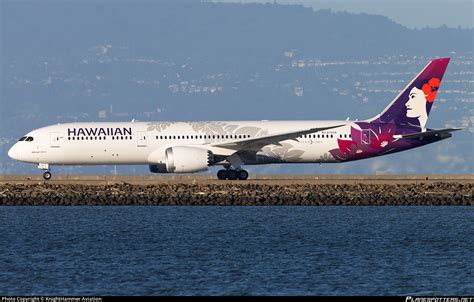
Should Hawaiian proceed with deploying the 787-9 on other routes or return it to Seattle–Seoul after this interim, the airline will need to restore passenger confidence and reaffirm its commitment to premium quality across the Pacific. Transparent communication and timely updates will be essential.
Conclusion
The decision by Hawaiian Airlines to replace the anticipated Boeing 787-9 Dreamliner with the Airbus A330-200 on the Seattle–Seoul route in October 2025 may appear operational at surface level, but its consequences ripple across traveler behavior, brand perception, and transpacific competitiveness. While operational flexibility remains critical in aviation, so too does the delivery of promised experiences. As the long-haul travel segment continues to recover and evolve, such shifts will define not just route performance, but also the airline’s broader positioning in a fiercely contested international market.