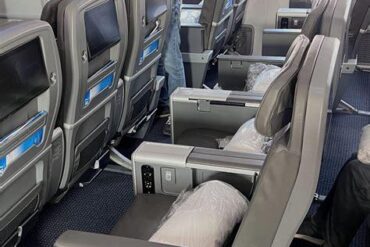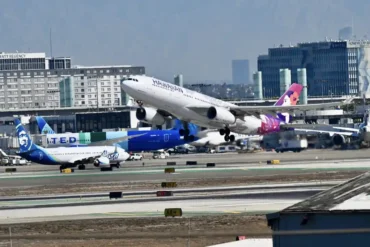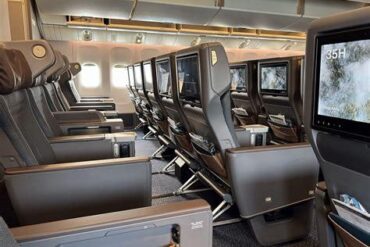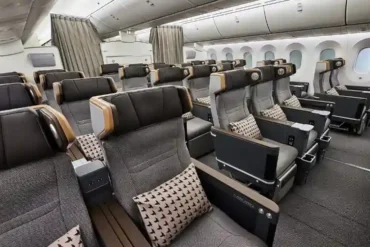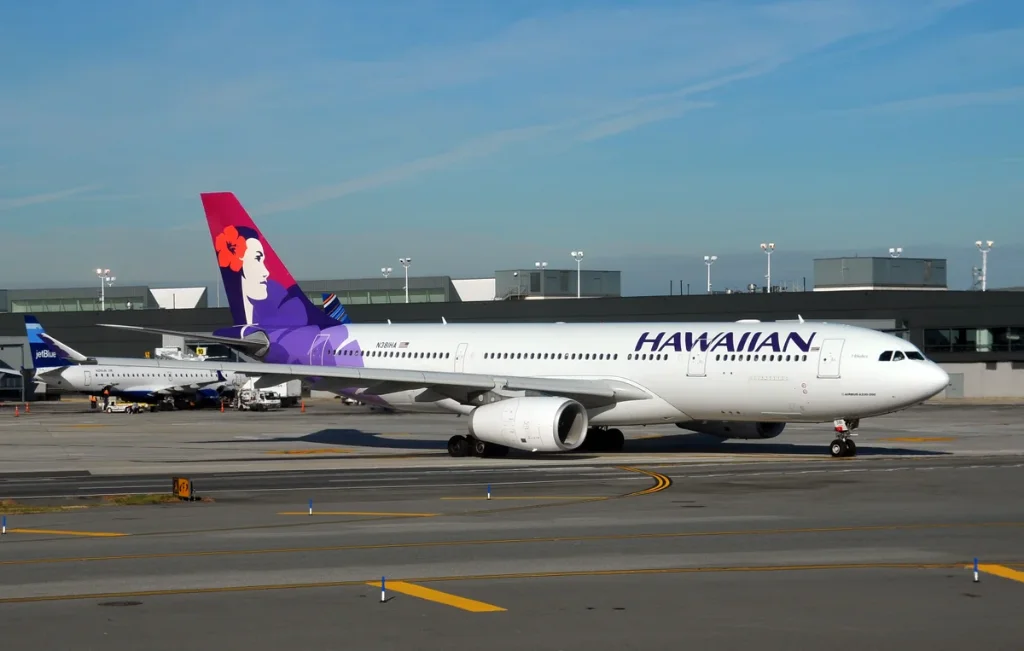
Hawaiian Airlines is taking a bold step in reshaping long-haul air travel between the U.S., Australia, and New Zealand, unveiling a brand-new premium economy cabin aboard its Airbus A330 aircraft. As the airline charts a course for modernization and competitiveness, this development marks a transformational upgrade to its mid-range offering—positioned smartly between standard economy and the full-service business class experience.
A Strategic Move in Long-Haul Comfort
The decision to introduce premium economy seating is part of a broader, multi-year initiative to overhaul Hawaiian Airlines’ Airbus A330 interiors. These wide-body jets, long regarded as the airline’s transpacific backbone, operate heavily trafficked routes connecting Hawaii with key destinations across North America, Asia, Oceania, and the South Pacific.
By reimagining the passenger experience, Hawaiian is not only responding to market trends but also addressing the growing expectations of international travelers. In an increasingly competitive aviation sector, the airline seeks to offer passengers a comfort tier that balances value and luxury—an offering that has become essential in today’s post-pandemic travel landscape.
Premium Economy: A Product Born From Demand
Hawaiian Airlines’ foray into premium economy isn’t a shot in the dark—it is backed by industry momentum. Around the world, airlines from Lufthansa to Qantas have demonstrated the strong commercial potential of this intermediate class. Travelers today are no longer willing to settle for cramped cabins on 10+ hour flights, but many remain unwilling or unable to pay the high cost of business class. Hawaiian’s premium economy offering squarely addresses that middle segment.
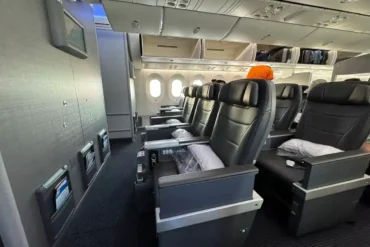
The new cabin will feature wider seats, increased legroom, enhanced meal service, and upgraded inflight entertainment. These enhancements create a clear distinction from standard economy while staying economically accessible. Positioned between the economy and business class sections, this cabin is designed for comfort-minded leisure travelers, small business flyers, and those willing to spend a bit more for significantly better in-flight conditions.
Inside the New Cabin: A Look at the Upgrades
Passengers flying in Hawaiian’s premium economy can expect a robust set of features that elevate the in-flight experience:
- Wider seats with additional pitch and recline
- Generous legroom designed for extended comfort on long-haul segments
- Enhanced dining options, curated for transpacific tastes
- High-definition entertainment systems with more screen real estate
- Exclusive amenity kits, a first for Hawaiian’s economy-class flyers
- Priority boarding and baggage handling, streamlining the airport experience
This cabin class is not just about tangible perks—it’s about redefining expectations. With these changes, Hawaiian positions itself to compete not only with U.S. legacy carriers but also with premium international rivals flying across the Pacific.
Refreshing the A330s: A Fleet Renaissance
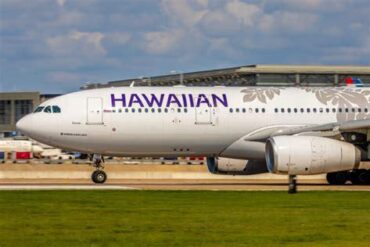
The addition of premium economy is only one piece of a comprehensive cabin redesign strategy. Hawaiian Airlines is giving its Airbus A330s a full refresh, with upgrades extending beyond the new seat class.
The redesign includes the installation of additional lie-flat business class seats, allowing the airline to better compete in high-yield markets such as New York–Honolulu, Sydney–Honolulu, and Auckland–Honolulu. All cabins will see improvements in materials, lighting, and seat ergonomics, addressing criticisms that the A330 interiors were beginning to feel dated compared to newer aircraft like the Boeing 787 Dreamliner.
Despite the arrival of newer 787s into its fleet, Hawaiian plans to keep the A330s at the core of its long-haul operations. The wide-body aircraft remain highly efficient and ideally sized for Hawaiian’s transpacific network. In fact, select international routes that had transitioned to the Dreamliner are expected to return to the A330—an acknowledgment of the type’s operational versatility, especially once the refreshed cabins are rolled out.
Aligning with Global Aviation Trends
Hawaiian Airlines’ move echoes a broader trend seen across the aviation industry. In the last five years, premium economy has transitioned from an experimental offering to a standard cabin tier on many international routes. It delivers strong revenue per square foot, enables airline differentiation, and increases yield from cost-conscious but comfort-seeking travelers.
Major carriers such as British Airways, Air France, Emirates, and Singapore Airlines have all invested heavily in their premium economy experiences. Hawaiian’s entrance into this space is a calculated, overdue response that aligns with its ambitions to maintain a competitive international profile.
Strategic Realignment Following Airline Group Integration
The premium economy rollout is part of a larger operational realignment, which follows Hawaiian’s integration into a broader airline group. This strategic shift allows the airline to optimize its fleet deployment and match aircraft capabilities with market demands.
While the Boeing 787 Dreamliners bring modernity and fuel efficiency, the A330 remains an operational workhorse, perfectly suited for core markets like California, Japan, Australia, and New Zealand. Premium economy provides the A330 with a new lease on life, ensuring it stays relevant and profitable even as newer aircraft join the fleet.
With this refresh, Hawaiian not only retains consistency across its long-haul routes but also expands its ability to meet different passenger needs across different fare brackets.
Enhancing the Travel Experience to Oceania and Beyond
For travelers heading to Australia and New Zealand, the premium economy addition couldn’t come at a better time. These are marathon flights, often clocking over ten hours in the air. The comfort delta between economy and premium economy on such routes is substantial, especially when it comes to sleep quality, noise levels, and personal space.
As Hawaiian Airlines positions itself as a more attractive option for Oceania-bound travelers, this move could siphon market share from both regional players like Air New Zealand and Qantas, and U.S.-based competitors operating Pacific routes. The airline’s renowned in-flight hospitality—already a standout—now gets a hardware upgrade to match its service reputation.
A Competitive Differentiator in a Crowded Sky
With increasing price sensitivity and heightened expectations, airlines need more than basic economy and high-priced business class to stay competitive. Hawaiian Airlines’ decision to add premium economy is both strategic and necessary. It provides a viable upsell option without alienating budget travelers, while also retaining premium flyers who might otherwise seek out full-service alternatives.
This middle cabin also opens opportunities for ancillary revenue growth, such as premium seat selection fees, exclusive upgrades, and bundled packages that include lounge access and inflight Wi-Fi.
Future Outlook: A More Flexible, Passenger-Centric Fleet
As Hawaiian’s A330 reconfiguration progresses, the airline will emerge with a more diversified and flexible product across its long-haul network. The addition of premium economy adds a crucial dimension to its offering, ensuring that it can cater to:
- Budget travelers prioritizing value
- Mid-tier passengers seeking comfort and affordability
- Premium travelers expecting personalized service and elevated space
The A330—already proven in range, efficiency, and reliability—now gets a competitive upgrade, bolstering Hawaiian’s fleet utility for years to come. And with routes across Honolulu, Los Angeles, Sydney, Auckland, Tokyo, and Seoul, the cabin refresh ensures Hawaiian Airlines maintains a modern, globally appealing identity.
In an era where passenger experience drives brand loyalty, Hawaiian Airlines is delivering on its promise to bridge tropical hospitality with world-class comfort—bringing the island spirit into a new era of transpacific air travel.