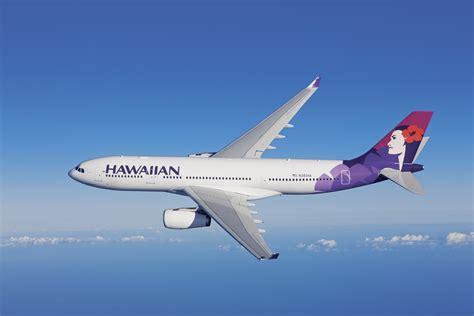
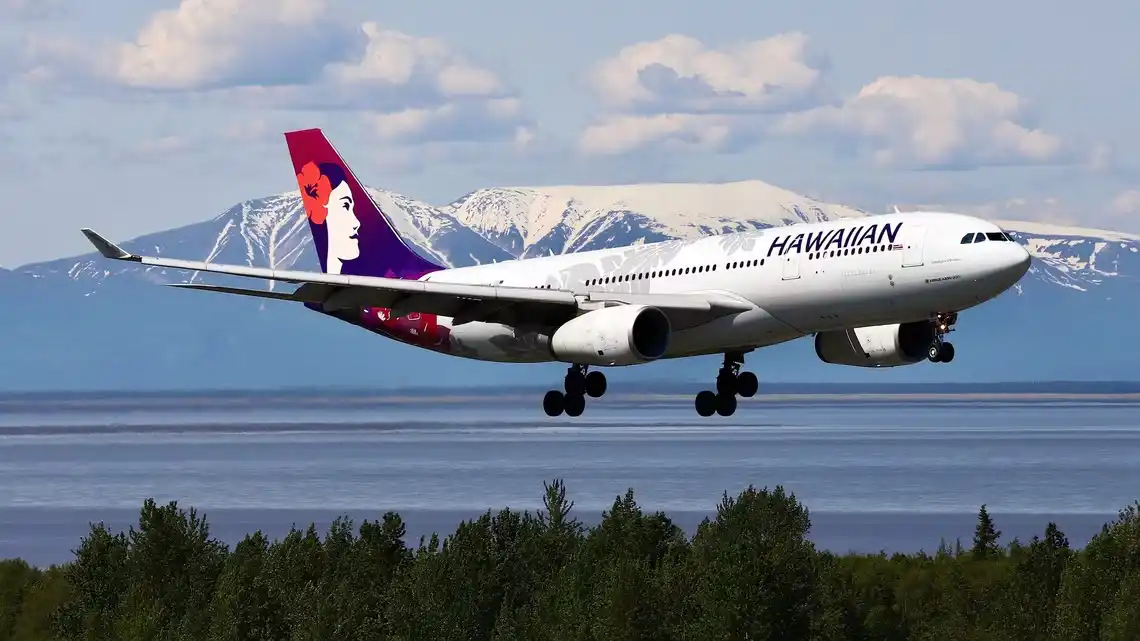
On June 12, 2025, Hawaiian Airlines launched its inaugural flight from Seattle to Anchorage, marking a significant milestone in the airline’s growth and its deeper integration into the Alaska Air Group. This route, operated by the airline’s Airbus A330-200 aircraft, is now the shortest widebody route in the carrier’s fleet, redefining both operational efficiency and passenger expectations for short-haul travel in the U.S.
The Unprecedented Route: Seattle to Anchorage
This new service between Seattle-Tacoma International Airport (SEA) and Ted Stevens Anchorage International Airport (ANC) is a noteworthy development not just for Hawaiian Airlines but for the U.S. domestic aviation landscape. It marks a shift towards more efficient use of widebody aircraft, particularly the A330-200, which typically serves long-haul international routes.
The A330-200 used for these flights has a seating capacity of 278 passengers, a significant number for a short-haul service. These aircraft are capable of carrying a much larger number of passengers and significantly more cargo than standard narrowbody planes, giving Hawaiian Airlines the edge in offering greater flexibility, especially during peak seasons like the summer salmon fishing rush in Alaska. The flights, which are set to operate on a double-daily basis, will run only between June 12 and August 20, providing additional seasonal capacity to meet increased demand.
This development is especially important because it marks Hawaiian’s entry into a competitive market, offering a direct, fast link between Seattle and Anchorage. Until now, flights between these two cities were mostly operated by narrowbody jets, like the Boeing 737, which typically have a smaller seating capacity and less cargo space. With the A330, Hawaiian Airlines can cater to both high passenger volumes and demand for air freight, providing a robust service that benefits both passengers and businesses.
The Aircraft: Airbus A330-200’s Capabilities
Hawaiian Airlines’ choice of the Airbus A330-200 for this route speaks volumes about their approach to optimizing operations. The A330-200, with its twin-aisle configuration, provides more space for passengers compared to the more common single-aisle planes, making the flight more comfortable for travelers. Additionally, the A330 is known for its fuel efficiency, even on shorter routes, which helps keep operational costs in check.
The aircraft is equipped with modern amenities, including spacious cabins and top-notch inflight entertainment systems, ensuring that passengers have a pleasant experience, even on shorter flights. The aircraft’s advanced technology allows it to cover distances more efficiently, optimizing the short 3-hour and 20-minute flight time between Seattle and Anchorage.
A New Era in Short-Haul Widebody Flights
What makes this new route truly unique is its remarkably short block time. The Seattle to Anchorage flight, with a block time of just 3 hours and 20 minutes, is the shortest widebody flight in Hawaiian Airlines’ entire network. For comparison, the next shortest flight time is between Kahului, Hawaii, and Los Angeles, which takes 5 hours. This contrasts with the traditional use of widebody jets on long-haul international routes, highlighting how the aviation industry is becoming more flexible in its approach to route planning.
Historically, the Airbus A330 had only been deployed on long-haul flights between Hawaii and destinations like Japan and Australia. However, Hawaiian Airlines has increasingly used the aircraft on shorter routes within the U.S., allowing them to maximize its utility. The ability to operate widebody jets on shorter domestic routes is a clear indication that Hawaiian Airlines is looking to diversify its network and compete more aggressively in the U.S. domestic market.

Additionally, while widebody aircraft are typically associated with international flights, Hawaiian’s move to operate such a jet on a short-haul domestic route is seen as a strategic maneuver. It allows the airline to offer a larger number of seats, as well as a more comfortable flying experience, compared to the narrowbody aircraft typically used for domestic short-haul flights.
A Competitive Move in the Alaska Market
The Seattle to Anchorage route is not only important for Hawaiian Airlines but also plays a role in the broader competitive landscape of U.S. aviation. The service is expected to affect Alaska Airlines’ operations, particularly on this highly competitive route. According to Cirium Diio data, the number of daily departures from Seattle to Anchorage has already dropped by more than 20% year-over-year, with Alaska Airlines reducing its frequency from 22 daily departures to just 17.
Hawaiian’s entrance into this market has created an opportunity for Alaska Airlines to refocus its efforts on other routes, potentially reallocating its Boeing 737s to serve other destinations. Despite the reduction in frequency, the combined capacity of Hawaiian and Alaska Airlines still maintains a strong presence in the Seattle to Anchorage market, though Hawaiian’s widebody offering significantly boosts the total seat capacity available for passengers.
The Logistics and Impact on the Alaska Market
The Seattle-Anchorage route is one of the most heavily trafficked domestic routes in the U.S., with a staggering 399,000 local passengers last year alone, according to U.S. Department of Transportation data. This market is crucial for both airlines as it connects the Pacific Northwest with Alaska, a key destination for both tourism and business.
Hawaiian Airlines’ addition to the market also has a knock-on effect on the availability of seats, especially during peak periods. With the A330’s increased seat count, Hawaiian Airlines is better equipped to handle the surge in demand from tourists visiting Alaska for fishing, hiking, and other summer activities. The airline’s ability to carry larger numbers of passengers with the A330 allows them to tap into this seasonal demand and provide an efficient, reliable service that complements Alaska Airlines’ own operations.
Moreover, the overall market between Seattle and Anchorage, when considering all airlines, saw more than 2 million passengers last year, underscoring the importance of this route. Hawaiian Airlines is positioning itself as a key player in this market, not just with its capacity but also with its premium service offerings.
Flight Details and Schedules
The flight schedules for the new service are designed to cater to a wide range of travelers, from early birds to night owls. The Seattle to Anchorage flights depart at two times: 11:45 AM (HA681) and 4:10 PM (HA682), with the return flights leaving Anchorage at 10:05 PM (HA697) and 2:50 AM (HA698). The unique red-eye schedule for the return leg, departing Anchorage at 2:50 AM, is especially noteworthy as it features the latest departure time for a widebody domestic flight in the U.S.
This unusual timing underscores Hawaiian Airlines’ ability to cater to various customer needs, including those traveling for business or those looking to maximize their time in Alaska. The late-night departure from Anchorage allows passengers to arrive in Seattle in time for early morning meetings, making the flight an attractive option for business travelers.
Conclusion
Hawaiian Airlines’ new shortest Airbus A330 route from Seattle to Anchorage represents a bold step forward in the evolution of domestic air travel. By utilizing its widebody fleet on this short-haul route, Hawaiian has demonstrated an innovative approach to maximizing the efficiency of its aircraft while offering an enhanced passenger experience. This move not only strengthens Hawaiian Airlines’ foothold in the U.S. domestic market but also provides a fresh, competitive alternative for travelers seeking to fly between the Pacific Northwest and Alaska.
As Hawaiian Airlines continues to grow its network, this route exemplifies the airline’s commitment to offering efficient, high-quality service across a variety of destinations. By tapping into the growing demand for travel to and from Alaska, Hawaiian Airlines is poised to continue making waves in the competitive U.S. aviation market.