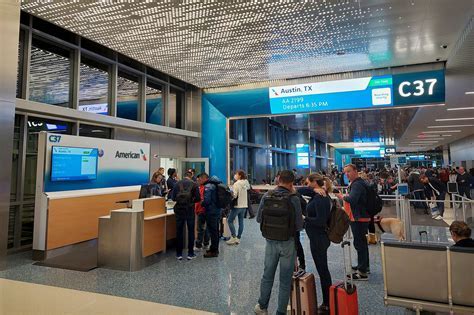
Philadelphia International Airport (PHL) is poised for a transatlantic resurgence as American Airlines unveils a bold expansion of its summer 2025 European flight schedule, including new and returning direct routes that promise greater convenience, reduced travel times, and renewed competitiveness with other major East Coast hubs. With additional nonstop connections to Milan, Edinburgh, Naples, Nice, and Copenhagen, PHL is carving out a stronger presence on the global aviation map—one that could profoundly shift traveler behavior for thousands of Americans heading to Europe next year.
A Transatlantic Boost: New Nonstop Destinations in 2025
Beginning May 23, 2025, American Airlines will launch two new nonstop routes from Philadelphia to Europe: Milan, Italy (MXP) and Edinburgh, Scotland (EDI). These additions signal a strategic investment in PHL’s international portfolio, tapping into high-demand leisure and business destinations. Simultaneously, American is also retaining three key summer routes that debuted in 2024—Naples, Italy (NAP), Nice, France (NCE), and Copenhagen, Denmark (CPH)—each proving popular with East Coast travelers in their inaugural runs.
The Naples route will resume earlier than last year, starting May 5, 2025, while the long-established seasonal Athens, Greece (ATH) service returns on March 30, 2025—a clear nod to pent-up demand for Mediterranean access from the Mid-Atlantic region.
These additions offer travelers more direct options without the stress of layovers or complex itineraries via New York or Washington. In essence, PHL is becoming a serious transatlantic contender, especially for those valuing proximity, speed, and ease of return.
Strategic Implications: Why American Is Betting on PHL
PHL has long been a cornerstone of American Airlines’ Northeast network, but its potential as an international hub was often undercut by competition from Newark (EWR) and JFK, where a broader array of long-haul carriers and alliances reign. However, American’s growing confidence in the Philadelphia market signals several key trends:
- Operational Efficiency: PHL provides faster turnaround times and lower congestion compared to NYC-area airports.
- Geographic Advantage: Its position allows for ideal routing to Southern and Eastern Europe, optimizing fuel and time.
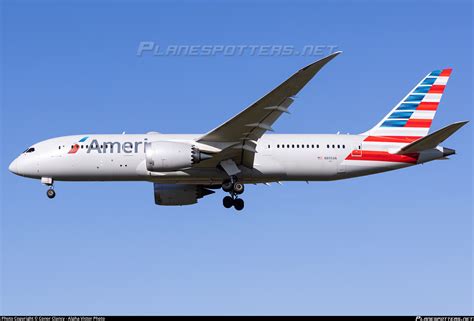
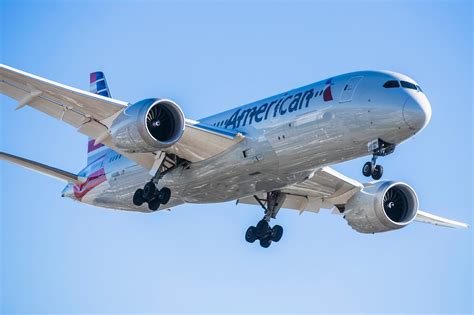
- Fleet Synergy: With more Boeing 787-8 Dreamliners entering long-haul rotation, American can tap their efficiency and range from PHL without needing the A321XLR (yet).
- Local Demand: Philadelphia’s population—and the broader Delaware Valley region—offers a wealthy, travel-hungry demographic, including leisure and corporate travelers.
A321XLR and the Iceland Question
Though not currently used on the announced routes, the looming arrival of Airbus A321XLR aircraft to American’s fleet could further bolster European options from PHL. With narrowbody efficiency and lie-flat business seats, the XLR will unlock lower-volume but high-yield routes such as PHL to Reykjavik (KEF)—a service that once existed but was discontinued and remains sorely missed by the local travel community.
Discussions on forums like Reddit’s r/philadelphia reveal widespread anticipation of a possible return of Iceland flights, possibly timed with the A321XLR rollout. However, American remains cautious, preferring to deploy the XLRs first on premium transcontinental routes (like JFK-LAX/SFO) before branching into niche transatlantic links. If projections hold, winter 2026–2027 may be the earliest that PHL sees XLR-based European service.
Price Pressure vs. Convenience: A Persistent Trade-Off
The expanded PHL-Europe schedule may simplify international travel for Philadelphians, but it doesn’t eliminate pricing challenges. Travelers routinely compare fares from PHL with those from Newark (EWR) and JFK, and the cost difference can be stark—sometimes exceeding $1,000 per ticket for families. For many, this price gap justifies the two-hour Amtrak trek to North Jersey, despite the time, hassle, and transportation overhead.
Comments from local travelers reflect this compromise:
“Sometimes it’s worth it just to arrive and be home without adding more time to the trip.”
“It saved over $1,000 for the two of us flying out of NYC—imagine what it saves a family.”
“Even with the rental, I saved about $1,000 by flying out of Newark instead of Philly for two tickets.”
While many choose cost over convenience, others argue that the intangible value of flying from PHL—especially the smoother return leg—outweighs short-term savings. As one traveler put it, “Getting back quicker is a more enjoyable experience. Newark needs to be decently cheaper to be worth it.”

PHL’s Identity Crisis: Will It Compete or Complement?
A significant concern remains: Can PHL truly compete with East Coast juggernauts like JFK and Newark, or will it remain a secondary option used only when fares align? American’s strategy, thus far, suggests a hybrid approach—build out core European destinations with proven demand, then test smaller or seasonal markets incrementally.
The retention of Nice, Naples, and Copenhagen demonstrates this measured confidence. All three routes serve high-value leisure markets, where summer-only service makes strategic sense. Meanwhile, business-oriented cities like Milan and Edinburgh introduce year-round potential, especially given American’s joint venture with British Airways and Iberia, which allows for codesharing and optimized scheduling.
Aircraft and Experience: The 787-8 Advantage
Another strategic edge for American’s European push out of PHL is its deployment of the Boeing 787-8 Dreamliner on several routes. Known for improved cabin pressure, humidity, and fuel efficiency, the Dreamliner offers:
- Modern interiors with larger windows, mood lighting, and photochromatic dimming.
- Improved economy seating experience, especially on long-haul segments.
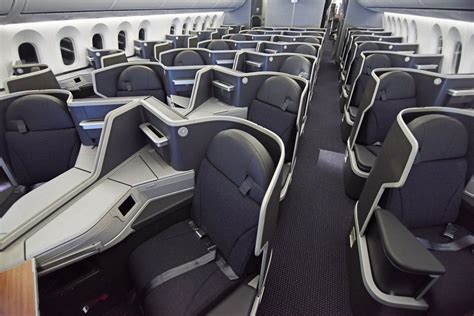
- Flagship Business class with lie-flat seats, direct aisle access, and enhanced privacy.
This fleet choice ensures American can compete on passenger comfort, especially as European carriers like Lufthansa and British Airways upgrade their own premium offerings.
Looking Ahead: What’s Still Missing from PHL’s Map?
Despite these advances, glaring omissions remain from PHL’s European portfolio. Redditors and travelers alike lament the absence of nonstop flights to:
- Brussels (BRU)
- Manchester (MAN)
- Dubrovnik (DBV)
- Reykjavik (KEF)
These routes, while lower in volume, serve loyal traveler bases—expats, business travelers, and niche tourists—who would gladly trade a connection for a direct flight. In many cases, the missing piece isn’t demand but aircraft availability, fleet alignment, and the business case under joint venture constraints.
As new-generation narrowbody aircraft like the A321XLR come online, American may eventually greenlight more of these routes. Until then, Newark and JFK will remain the default for ultra-specific European destinations.
Final Thoughts: A Turning Point for Philadelphia Flyers
Philadelphia’s air travelers have long been burdened with difficult choices: pay more for convenience at PHL, or travel longer for cheaper fares elsewhere. American’s 2025 summer expansion finally begins to tip the scale toward true local accessibility, particularly for those bound for Southern and Eastern Europe.
It won’t immediately erase the price advantages of larger hubs, nor will it solve every network gap. But it marks a shift—a commitment to Philadelphia as more than just a feeder airport. If performance meets expectations and passenger loads rise, this expansion could be a precursor to broader, year-round transatlantic service, eventually placing PHL on par with its louder northern neighbors.
For now, Philadelphia travelers can finally look at the departure board next summer and see something they’ve long deserved: direct access to more of Europe—from their own backyard.