The introduction of direct flights between Auckland and Buenos Aires, set to launch in December 2025 by China Eastern Airlines, marks a pivotal moment in New Zealand’s position as a global transit hub. This new service not only connects Asia, Europe, and Latin America but also restores critical long-haul connectivity that was lost during the pandemic. As travel demand surges across these regions, this expanded route is poised to transform Auckland into a key intercontinental hub, facilitating tourism, trade, and cargo movement on an unprecedented scale.
Beginning in December 2025, the new route will operate twice weekly, linking Shanghai Pudong Airport with Auckland Airport before continuing on to Buenos Aires Ezeiza International Airport. This development signifies a major advancement in aviation for the Pacific region, creating a seamless corridor between China and Argentina while leveraging Auckland’s strategic position. The implications of this route extend beyond mere connectivity; it reshapes the travel landscape between Asia, Oceania, and South America.
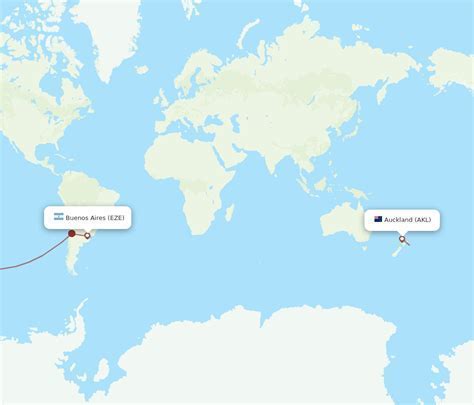
The service will complement the airline’s existing daily flights between Shanghai and Auckland, enhancing its presence in the Asia-Pacific network. In addition, China Eastern continues to operate flights from Hangzhou, which includes routes via Sydney, further solidifying its commitment to meeting the growing demands of international travelers. The timing of this new route is particularly significant, as air travel between New Zealand and China has been gradually recovering, although it still falls short of pre-pandemic volumes. By establishing an additional link from Shanghai, a globally recognized air transport hub, access is improved not only from China but also from various connecting markets across Asia and Europe.
With New Zealand positioned as a midpoint in this expansive route, multiple segments of travelers stand to benefit. For tourists, the Auckland-Buenos Aires connection offers a streamlined option to explore both hemispheres within a single itinerary. This is particularly appealing in an age where multi-continent travel packages are gaining traction. Airlines can optimize aircraft range and fuel efficiency through this stopover model, tapping into diverse tourism markets with a single journey. The potential for cross-regional tourism circuits is immense, attracting travelers seeking unique experiences across continents.
Moreover, the implications of this route extend well beyond its connection to China. The direct link to Buenos Aires addresses a significant gap in New Zealand’s long-haul air network, particularly regarding its limited connectivity with South America. Since the onset of the pandemic, capacity between New Zealand and South America has plummeted by over 53%, leading to bottlenecks in trade, tourism, and business travel. This decline has resulted in a staggering $76.7 million in lost visitor spending and a 32% decrease in business engagements between the two regions, alongside a 16% drop in cargo volumes.
Restoring a direct air link to Argentina opens doors for substantial growth in tourism, trade, and educational exchange between New Zealand and South America. This route provides a much-needed platform for revitalizing commercial and cultural ties that have weakened in recent years due to limited flight options and disrupted travel chains. The benefits are extensive, impacting various sectors and fostering greater cooperation between these regions.
In the context of New Zealand’s aviation sector, the Auckland-Buenos Aires route serves as a crucial stepping stone toward establishing broader intercontinental connectivity. Previously, the trans-Pacific network lacked a consistent bridge linking Asia and South America via Oceania. Now, this service offers travelers a one-stop alternative that connects three major continents while ensuring high service efficiency and global reach.
Cargo movement is also set to benefit significantly. With direct freight space available between Shanghai, Auckland, and Buenos Aires, exporters and importers in sectors like agriculture, electronics, and pharmaceuticals can expedite the movement of goods more efficiently and cost-effectively. The shorter supply chain enhances reliability, reduces transit times, and minimizes storage risks for perishable goods, which is especially beneficial for regional producers and exporters looking to maintain their market edge.
The education sector in New Zealand stands to gain immensely as well. Improved access to students from both China and South America will bolster the international education market, a vital driver of economic and cultural exchange. Universities and educational institutions will find it easier to attract overseas students and sustain long-term academic partnerships that span continents. This increased accessibility is expected to revitalize the educational landscape, fostering a diverse learning environment enriched by international perspectives.
Additionally, the new route provides a direct travel option for over 40,000 South American residents currently residing in New Zealand, allowing them to reconnect with family and engage with their home countries without the hassle of multi-stop, time-consuming journeys. This aspect adds a critical social and cultural dimension to the route’s value proposition, enhancing personal mobility and supporting migrant communities.
The launch of China Eastern’s direct flights from Auckland to Buenos Aires represents more than just a new flight path; it symbolizes the reopening of dormant global corridors and the acceleration of international engagement across various sectors including tourism, business, logistics, and education. As the demand for long-haul travel continues to rise, airlines are reevaluating routes that maximize international value while promoting cross-market growth.
As we look ahead to 2025, the introduction of the Shanghai–Auckland–Buenos Aires route marks a significant leap forward in global aviation strategy. It strengthens trans-Pacific cooperation, builds bridges between regions, and sets the stage for future route developments that prioritize efficiency, sustainability, and broad global access. This initiative reaffirms the airline industry’s essential role as a connector of people, economies, and cultures across continents, paving the way for a more interconnected world.