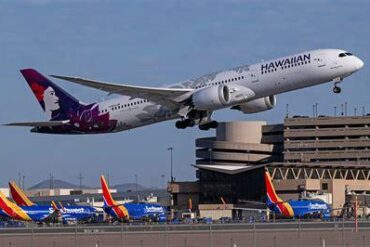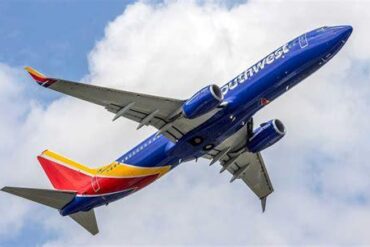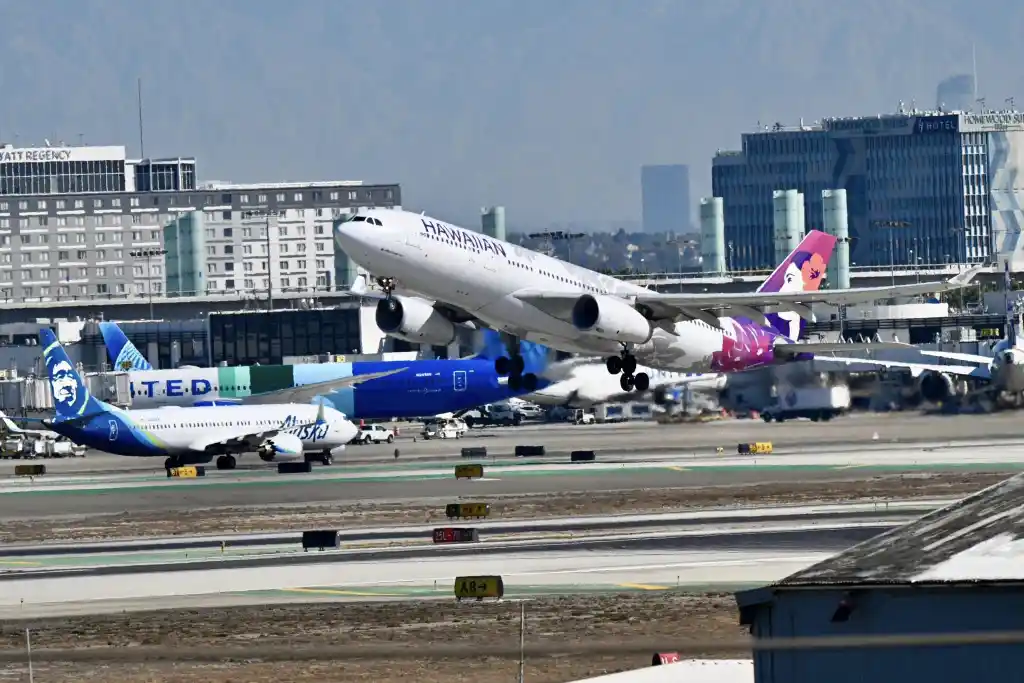
The merger between Alaska Airlines and Hawaiian Airlines was never going to be just a financial transaction. It was always a slow, deliberate reshaping of networks, fleets, and long-term priorities across the Pacific. Since the deal closed in 2024, every aircraft movement, every schedule tweak, and every maintenance decision has been scrutinized for hidden meaning. Few topics have attracted more attention than the fate of Hawaiian Airlines’ Airbus A330-200s, the widebody workhorses that have carried the airline’s brand across oceans for more than a decade.
When a single A330 quietly departed Los Angeles for an aircraft storage facility in Arizona in late 2025, speculation exploded. Was this the first domino? Or simply a routine operational move misread in an era of heightened sensitivity? To understand what is really happening, the story needs to be viewed through the lens of fleet economics, merger integration, and the unique role Hawaiian Airlines plays within Alaska Air Group.
A Single Ferry Flight That Sparked a Storm
In aviation, optics matter. On December 28, 2025, Hawaiian Airlines Airbus A330-200 N360HA departed Los Angeles International Airport bound for Pinal Airpark, Arizona, a location synonymous in the public imagination with aircraft retirement. Flight tracking data made the journey easy to spot, and within hours, social media narratives took shape suggesting Alaska Airlines had begun dismantling Hawaiian’s long-haul fleet.
The logic seemed intuitive. Pinal Airpark sits in the Arizona desert, a vast expanse of tarmac where aircraft go when demand dries up or economics no longer justify continued operation. To casual observers, a widebody heading there often feels like a farewell tour. The timing did little to calm nerves, arriving amid broader integration work between Alaska and Hawaiian and the gradual introduction of Boeing 787s into Hawaiian’s fleet.
Yet the raw data immediately complicated the retirement theory. N360HA was only nine years old, delivered in mid-2016. In widebody terms, that is barely adolescence. Airlines routinely operate aircraft well past the 20-year mark, particularly proven types like the A330, which have mature maintenance programs and stable operating costs.
The more plausible explanation lies not in dismantling, but in maintenance and modification strategy, an area where desert facilities excel.
Why Pinal Airpark Is Not a Graveyard by Default
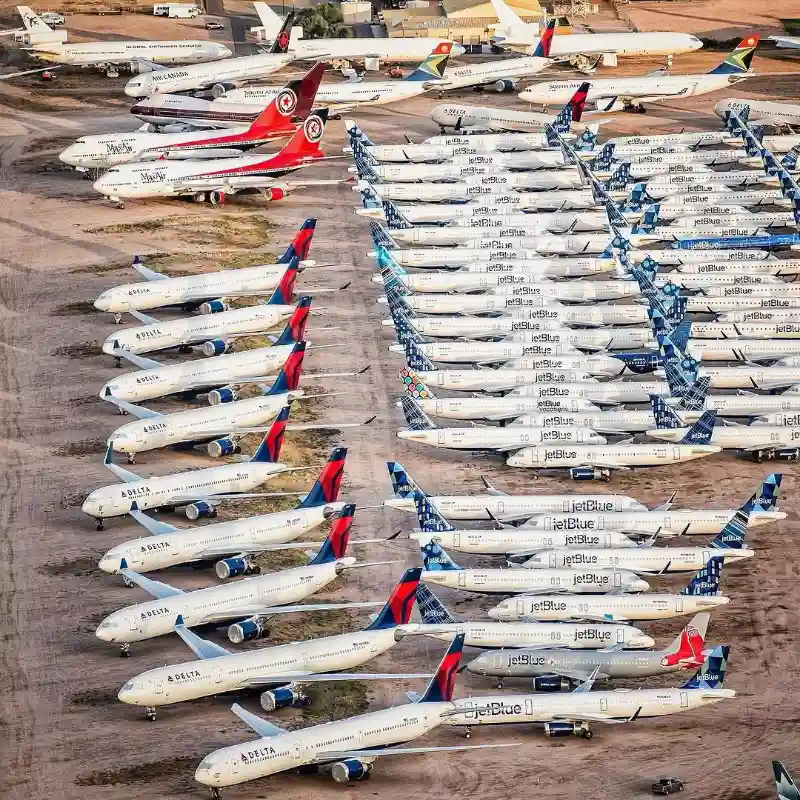
Pinal Airpark’s reputation is deserved but incomplete. While it is indeed the largest commercial aircraft storage facility in the world, it is also a critical hub for heavy maintenance, cabin retrofits, and fleet transitions. The hot, dry Arizona climate slows corrosion, making it ideal for both temporary storage and complex modification work that would disrupt schedules at busier airports.
Aircraft routinely cycle through Pinal for reasons that have nothing to do with retirement. During downturns, airlines park jets there until demand rebounds. During fleet transitions, aircraft are ferried in for interior updates, avionics upgrades, or reconfiguration projects that can take weeks or months. In the post-pandemic era, the facility has seen everything from narrowbody A320s awaiting reactivation to long-haul Boeing 777s undergoing conversion work.
In this context, an A330 arriving at Pinal does not signal a death sentence. It signals flexibility, especially for an airline in the middle of redefining its product.
The Airbus A330-200’s Enduring Role at Hawaiian
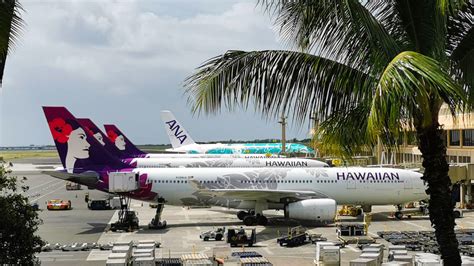
For Hawaiian Airlines, the Airbus A330-200 has never been just another aircraft type. It has been the backbone of the carrier’s long-haul identity, connecting Honolulu to mainland hubs like Los Angeles and New York, while also flying deep into the Pacific to Asia and Oceania.
The A330-200’s design suits Hawaiian’s mission profile unusually well. Its shorter fuselage relative to the A330-300 offers greater range flexibility, ideal for long overwater routes with variable demand. The aircraft’s ETOPS certification allows it to operate safely across vast oceanic stretches, while its widebody cabin supports a premium-heavy configuration that aligns with leisure-focused, long-duration flights.
Operationally, the A330 also benefits from Airbus cockpit commonality, reducing training costs and simplifying crew scheduling. For an airline operating far from major maintenance hubs, predictability and reliability matter more than headline fuel efficiency alone.
Despite the arrival of newer aircraft types, the A330-200 remains a highly capable and economically viable platform, particularly when fully depreciated and maintained within a mature support ecosystem.
Fleet Strategy in a Post-Merger Reality
The Alaska–Hawaiian merger created a rare situation: two airlines with very different fleet philosophies now planning under one corporate umbrella. Alaska Airlines historically favored a streamlined, Boeing-centric narrowbody operation, prioritizing simplicity and cost control. Hawaiian Airlines, by contrast, built a mixed fleet tailored to island hopping and long-haul Pacific flying.
This divergence was never going to be resolved overnight. Instead, Alaska Air Group has taken a layered approach, preserving Hawaiian’s operational strengths while gradually aligning long-term strategy. That alignment is visible in Hawaiian’s growing Boeing 787-9 fleet, which promises improved fuel efficiency and extended range for the airline’s longest routes.
However, new aircraft do not immediately obsolete existing ones. Widebody transitions are slow, capital-intensive processes. Deliveries are spread over years, and pilot training pipelines limit how quickly fleets can change. In the meantime, the A330-200 continues to fill essential capacity, particularly on routes where demand stability favors proven assets over cutting-edge replacements.
Cabin Retrofits and the Premium Economy Question
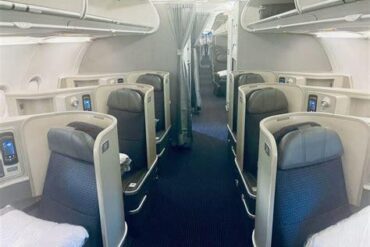
One persistent rumor surrounding the A330’s trip to Arizona centers on cabin modernization, specifically the addition or enhancement of a premium economy cabin. This speculation aligns neatly with broader industry trends and Alaska Air Group’s customer strategy.
Premium economy has evolved from a niche product into a critical revenue layer, particularly on long-haul leisure routes where travelers seek comfort without business-class pricing. Hawaiian’s existing A330 cabins, while comfortable, were designed in a different competitive era. A refresh could bring upgraded seating, modernized inflight entertainment, and a clearer segmentation between economy tiers.
Pinal Airpark is well-suited for this type of work. Cabin retrofits are disruptive, often requiring aircraft to be removed from service for extended periods. Conducting them away from hub congestion minimizes operational ripple effects. If Alaska Air Group intends to harmonize the onboard experience across Hawaiian’s widebody fleet, a phased retrofit program would make strategic sense.
Youth Matters: Why Age Undercuts Retirement Claims
The retirement narrative collapses under a simple metric: aircraft age. At nine years old, N360HA is among the younger members of Hawaiian’s A330 fleet. Airlines typically retire widebodies when maintenance costs spike sharply, residual value drops, or new-generation aircraft deliver overwhelming economic advantages.
None of those conditions fully apply here. The A330’s maintenance profile remains predictable, parts availability is strong, and global demand for the type ensures secondary market value. Even airlines aggressively modernizing their fleets often keep A330s flying well into their second decade of service.
Early retirement would not just be unusual; it would be financially irrational.
The Broader Fleet Picture at Hawaiian Airlines

Hawaiian Airlines currently operates a diverse fleet tailored to its unique network. The Airbus A321neo handles thinner mainland routes with impressive fuel efficiency. The Boeing 717, despite its age, remains unmatched for high-frequency interisland operations thanks to its short-field performance and quick turnaround times. The Boeing 787-9 introduces next-generation capability for ultra-long-haul missions.
Within this mosaic, the A330-200 occupies a middle ground that is difficult to replace quickly. It offers more capacity than the A321neo without the range specialization of the 787. That flexibility is invaluable in a network where demand fluctuates seasonally and route economics vary dramatically.
Rather than being phased out abruptly, the A330 is more likely to be strategically redeployed, optimized, and eventually retired on a timeline driven by economics rather than speculation.
Alaska Air Group’s Balancing Act
From Alaska Air Group’s perspective, the challenge is not eliminating redundancy overnight, but extracting value while minimizing disruption. Hawaiian Airlines brings brand equity, Pacific expertise, and aircraft types Alaska never operated before. Preserving that strength while gradually shaping a unified future is the hallmark of disciplined integration.
Statements from Alaska Air Group leadership consistently emphasize respect for Hawaiian’s identity and operational needs. That philosophy extends to fleet decisions, where abrupt changes risk alienating customers and undermining reliability.
A deliberate, data-driven approach favors incremental evolution, not sudden fleet purges.
What the A330 Episode Really Reveals
The brief journey of one Airbus A330 to Arizona reveals more about modern aviation psychology than about actual fleet policy. In an era of real-time flight tracking and instant commentary, routine operational decisions are easily misread as strategic declarations.
The reality is more nuanced. Hawaiian’s A330s remain essential assets. Their continued use reflects not hesitation, but strategic patience, allowing Alaska Air Group to align product, network, and fleet on a sustainable timeline.
Rather than signaling retirement, the move underscores how airlines quietly prepare for the future: upgrading cabins, optimizing assets, and positioning themselves for the next competitive cycle.
A Fleet in Transition, Not in Retreat
The question is not whether Hawaiian Airlines will eventually retire its Airbus A330-200s. All aircraft types face that inevitability. The real question is when and how, and all available evidence points to a measured, economically grounded timeline rather than an abrupt phase-out.
For now, the A330 continues to do what it has always done best: carry Hawaiian’s colors across vast stretches of ocean, bridging islands, continents, and cultures. In the complex choreography of airline mergers, that quiet reliability often matters more than flashy announcements.
The desert stop in Arizona was not an ending. It was a pause, a recalibration, and perhaps a glimpse into how legacy aircraft evolve alongside new ambitions.